
Stories About
Our Work
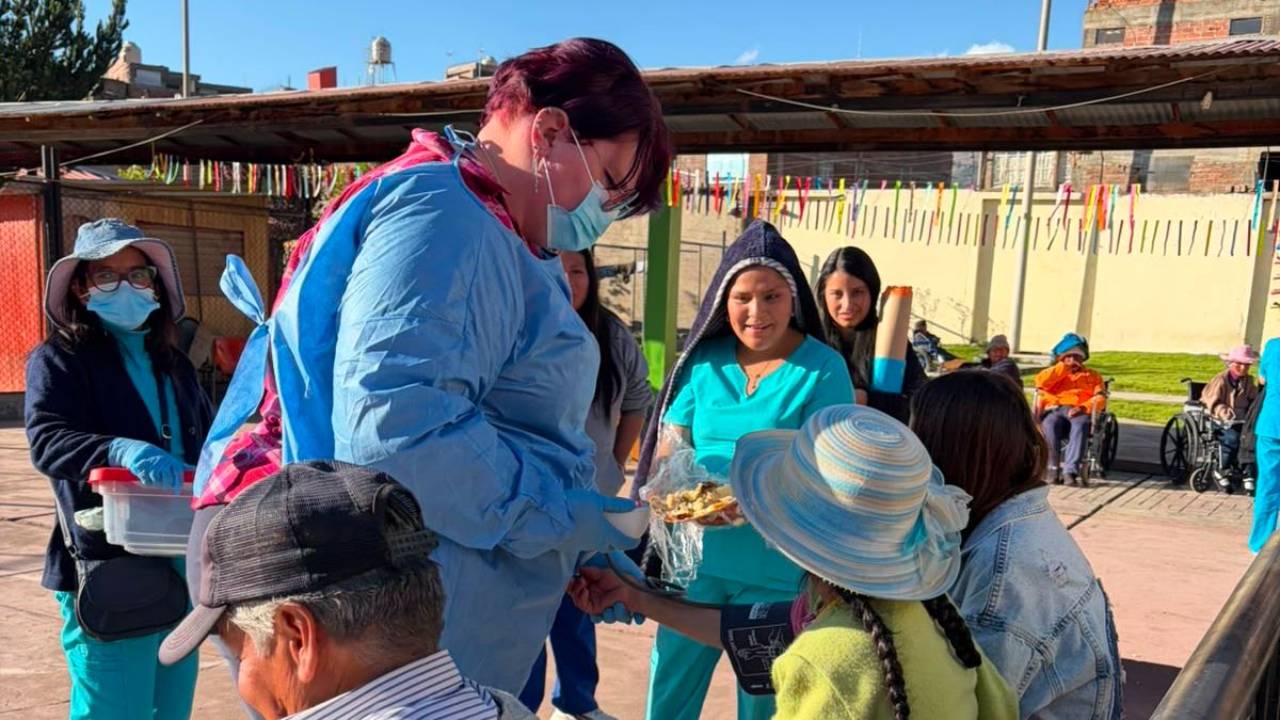
When people ask Lilly Markowitz what her favorite part of five weeks in Peru was, she does not hesitate.
"The people."
Not the hospital rotations. Not the community health campaigns. Not the surgery she observed or the workshops she led. The people — the doctors, the nurses, the children at El Ro...
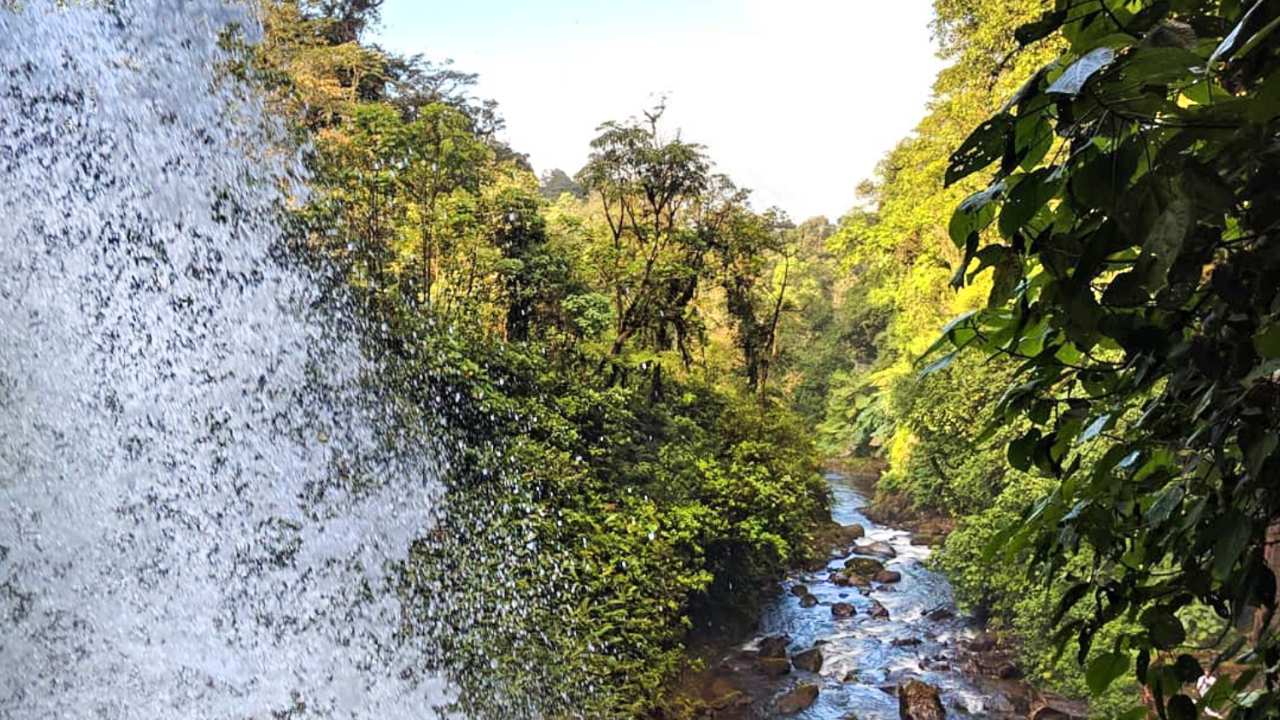
One in four people globally still lacks access to safely managed drinking water. One hundred and six million drink directly from untreated surface sources (WHO/UNICEF Joint Monitoring Programme).
Those numbers were published last year during World Water Week. They describe, with precision, a crisis...
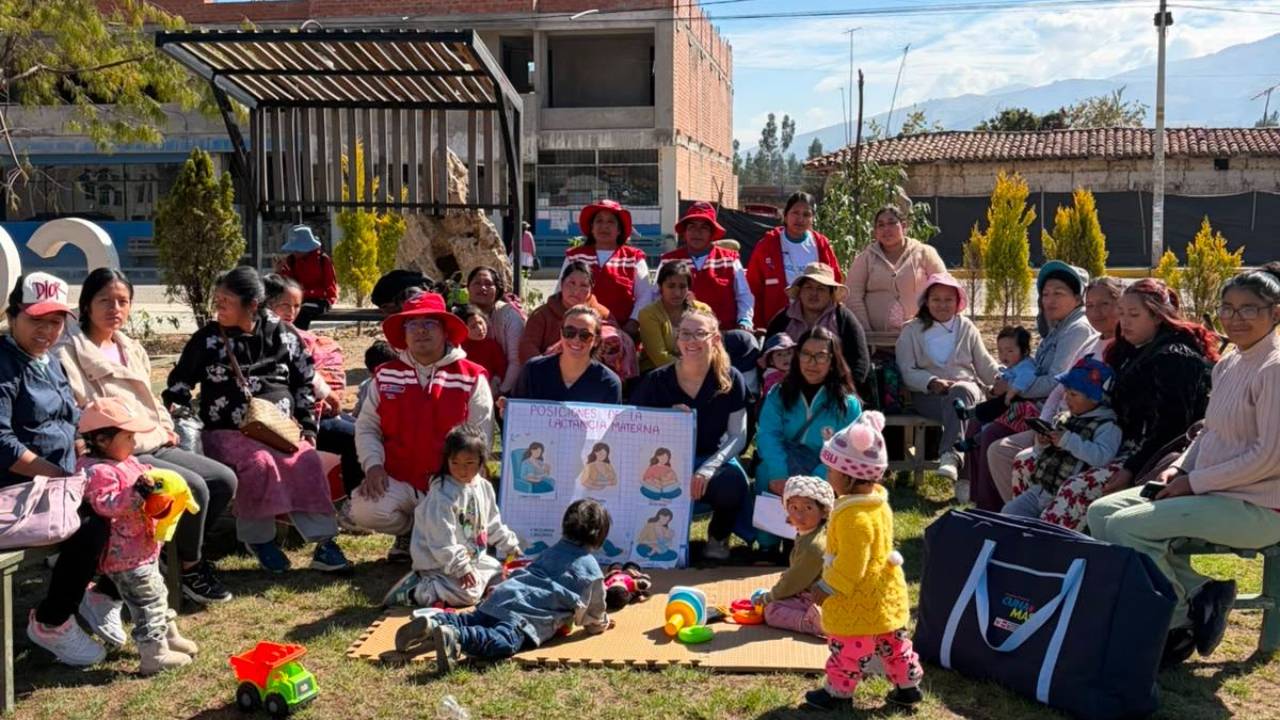
There are roughly 1.2 billion young people between the ages of 15 and 24 living in the world today. Despite growing up in wildly different national, economic, and cultural circumstances, their underlying goals tend to be the same: dignity, real opportunity, meaningful participation, and a future wor...
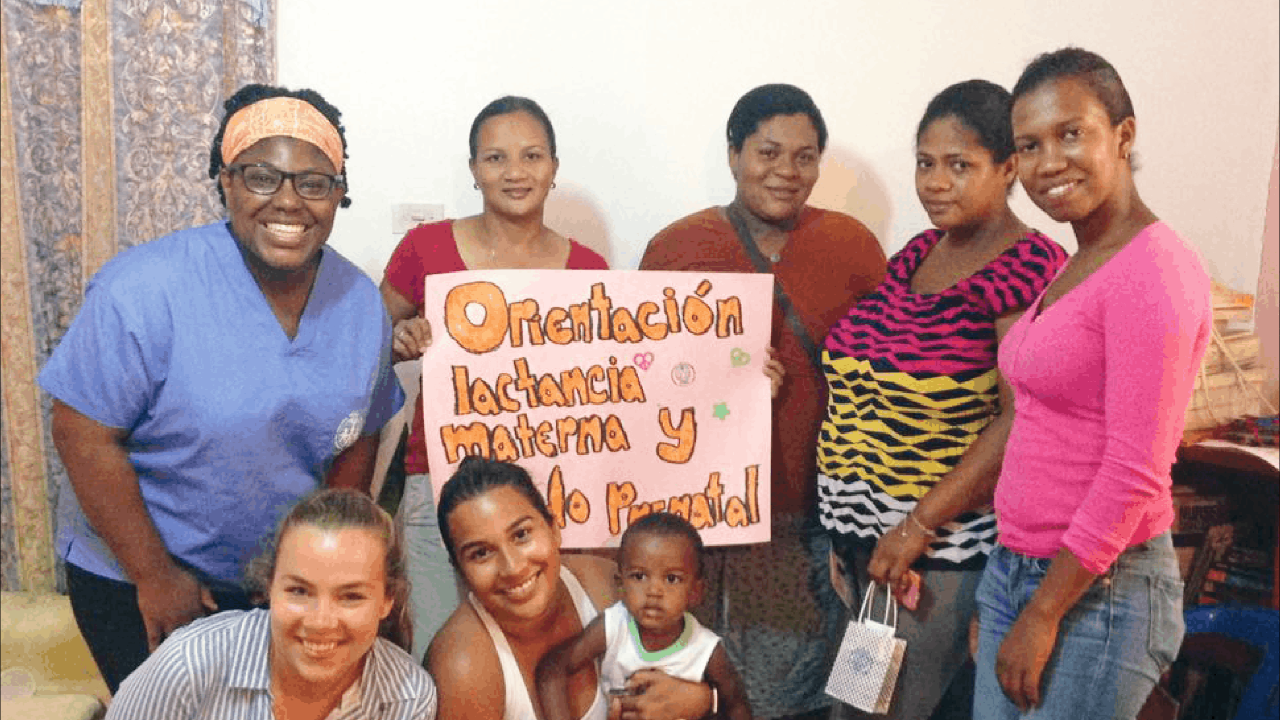
A new mother in a highland community outside Huancayo has delivered her baby at home. There was no lactation consultant in the room. No postnatal nurse to check the latch. No one to answer the questions that arrive in the first hours of a newborn's life, the ones that determine whether breastfeeding...
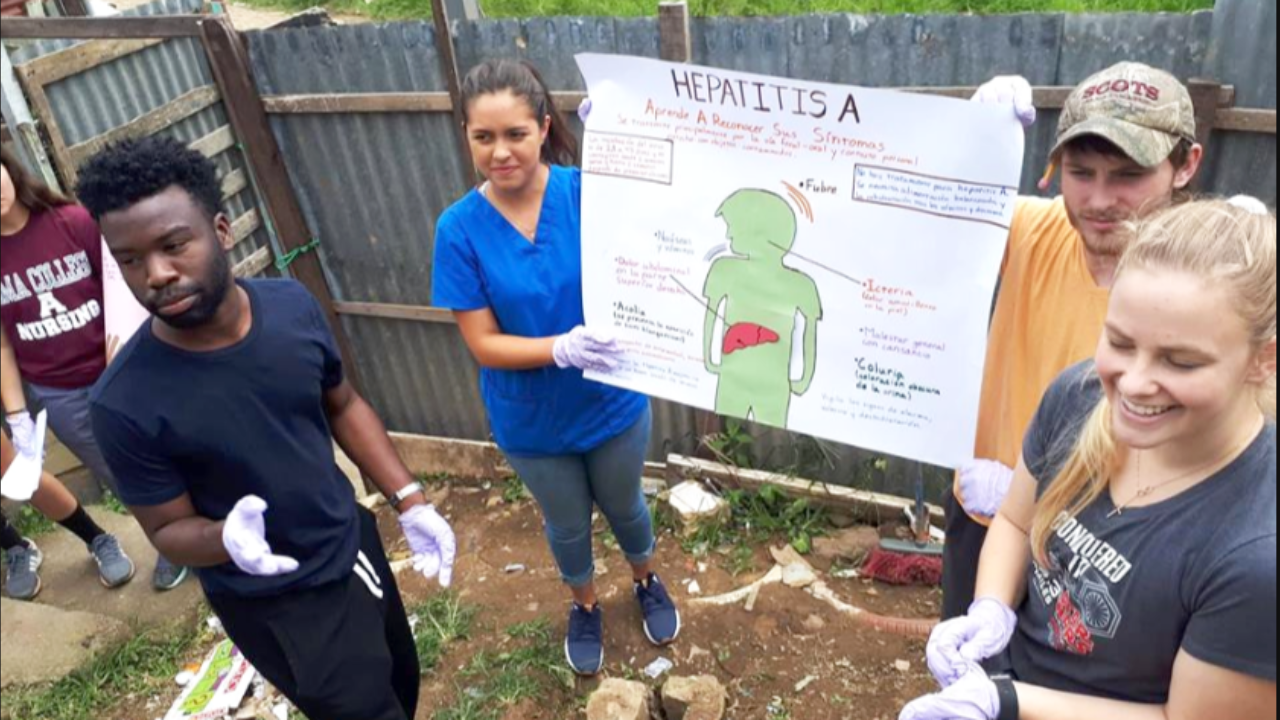
Every 30 seconds, someone in the world dies from complications related to chronic hepatitis — including cirrhosis and liver cancer.
Not because the tools to prevent it do not exist. Effective vaccines, accurate diagnostics, curative treatments for hepatitis C, and long-term therapies for hepatitis ...
In 1736, Benjamin Franklin founded America's first volunteer fire brigade after a ship fire tore through a wharf, warehouses, and neighboring houses in Philadelphia. Twenty-six neighbors signed up. More followed.
That instinct, to organize, to show up, to solve a problem together rather than wait ...
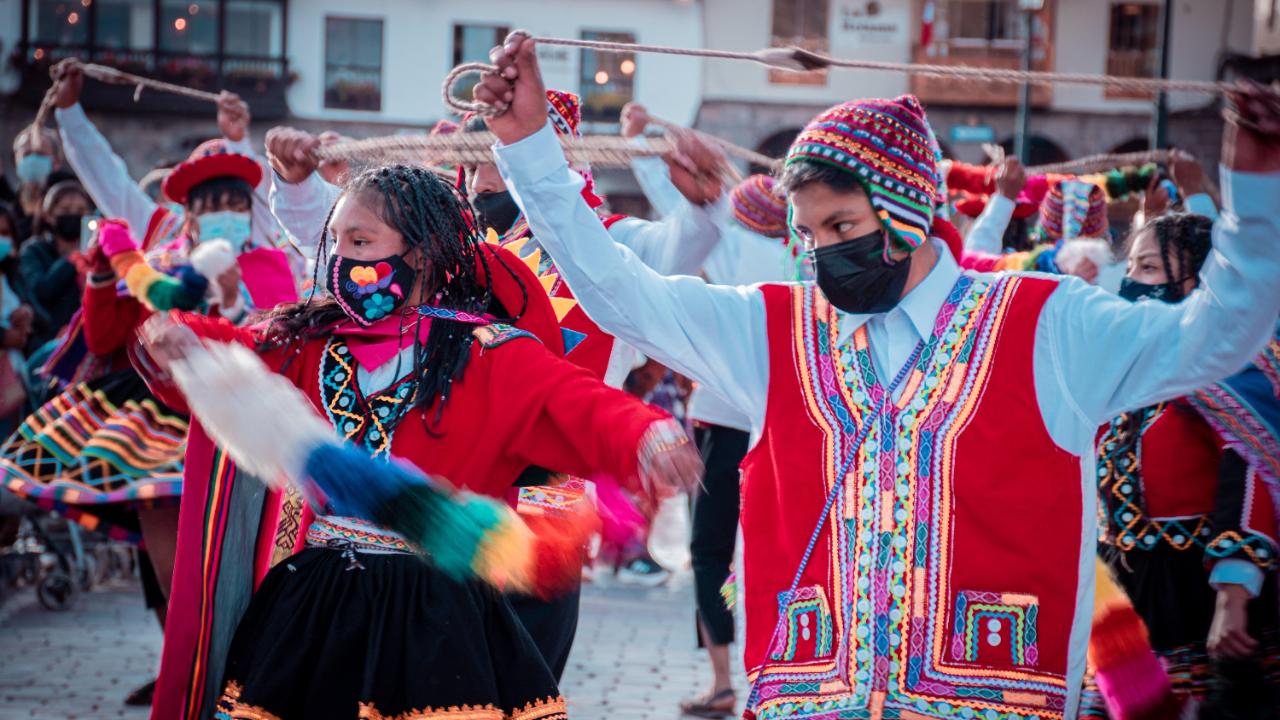
Every June 24, something extraordinary happens across the Andes.
Everything begins very early, when the entourage of the Inca and the Qoya set out in procession. In the gardens of Qoricancha, a ceremony greeting the sun is held with the music of quenas and drums, the most spiritual moment, with the...
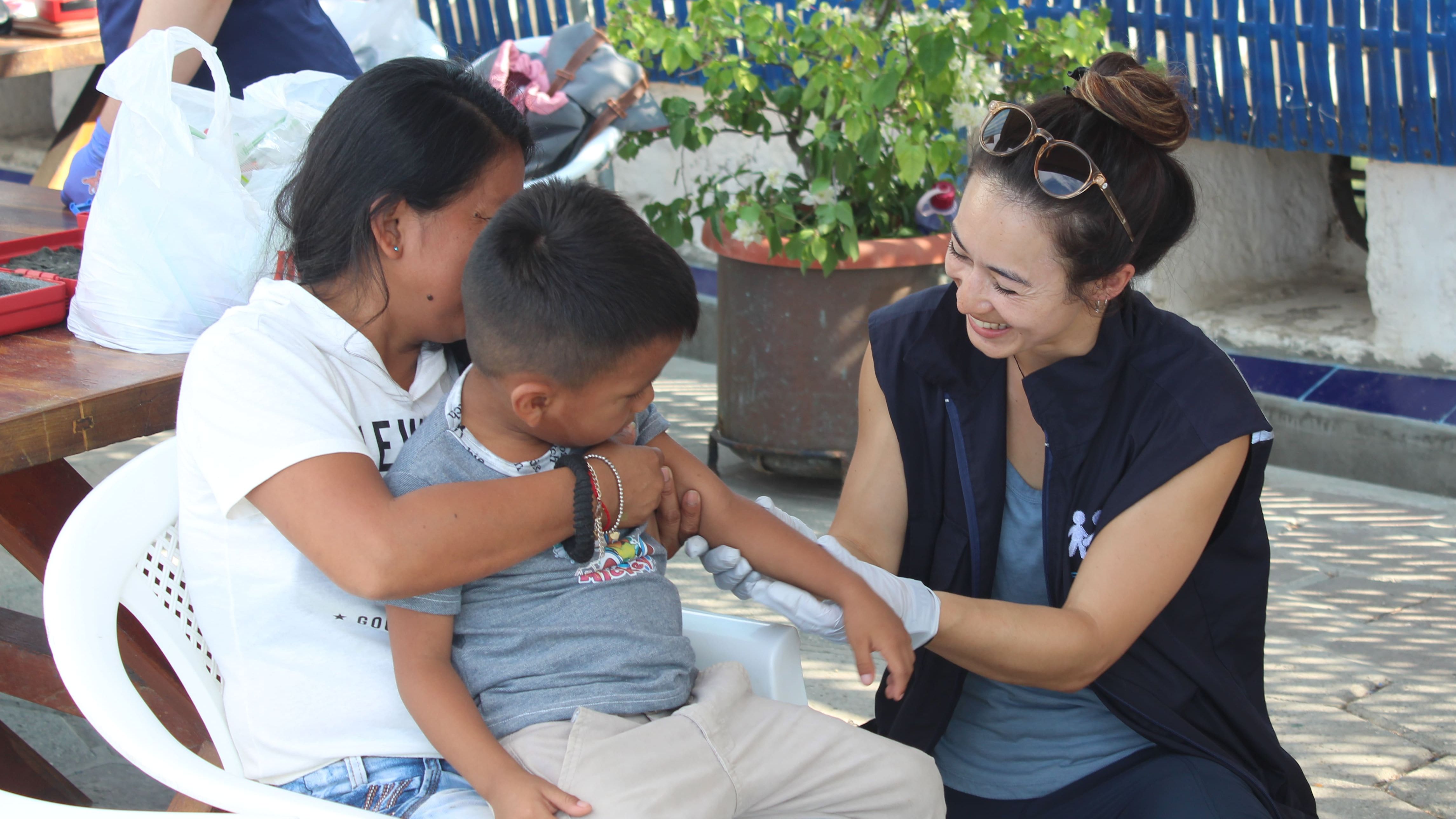
A woman delivers her baby in a rural health post in Bududa. There are complications. She is hemorrhaging. The nearest blood bank is hours away, and even if a vehicle were available right now, the roads make the journey uncertain.
This is not a hypothetical. It is a scenario that plays out across lo...
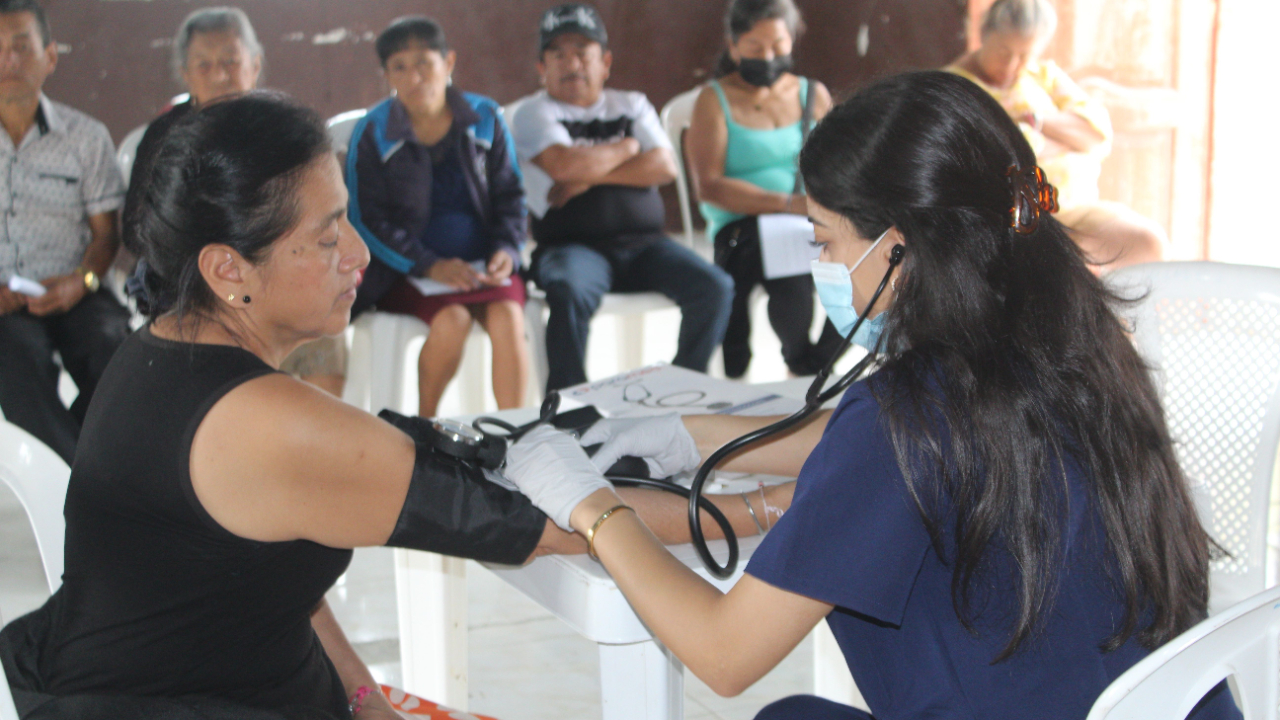
A woman in Bududa has had headaches for months. She assumes it is exhaustion, she wakes before sunrise, tends to her crops, cooks, cleans, and cares for four children. She has never had her blood pressure checked.
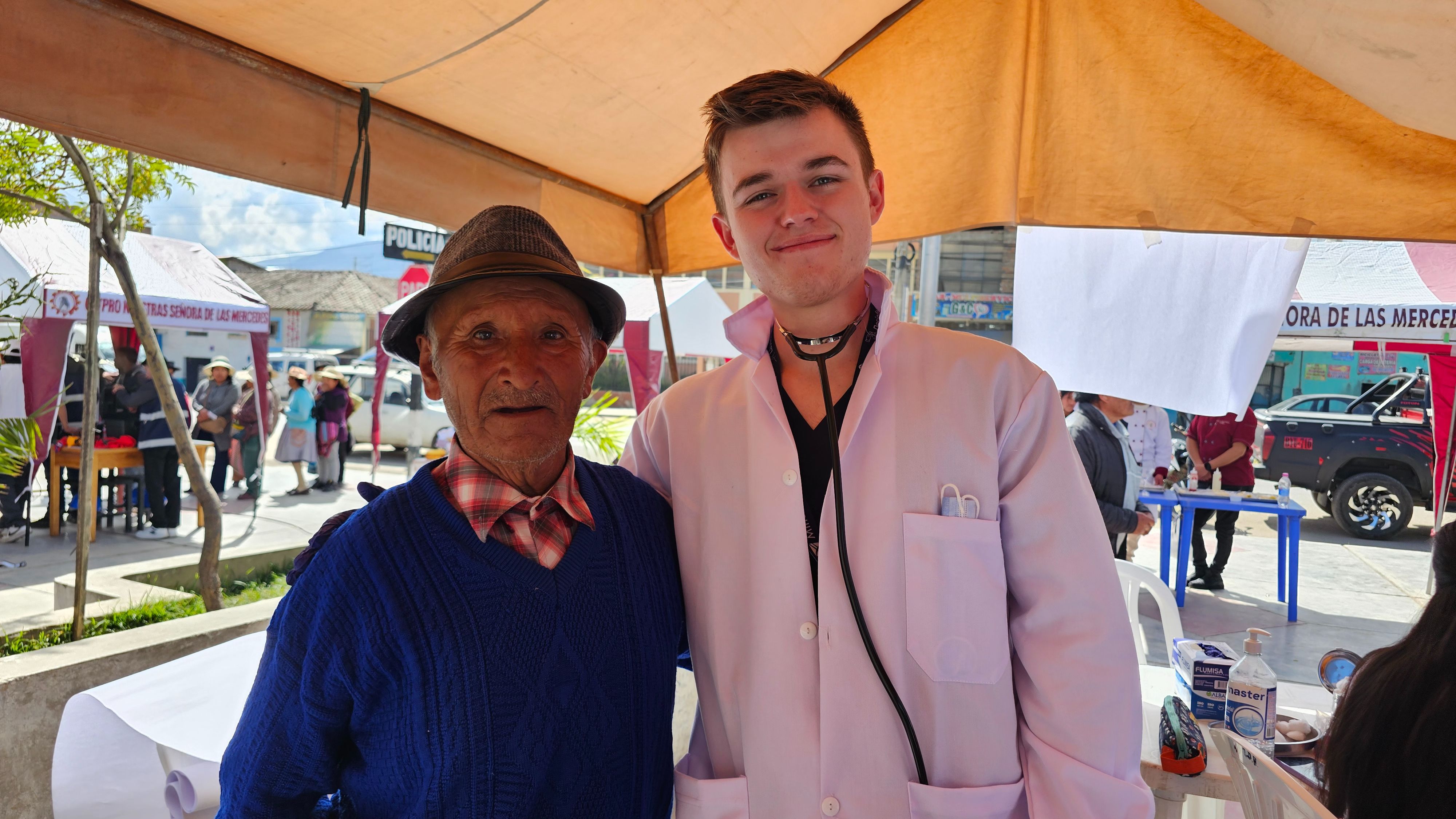
In Huancayo, a man in his forties has not seen a doctor in years. The nearest clinic ...
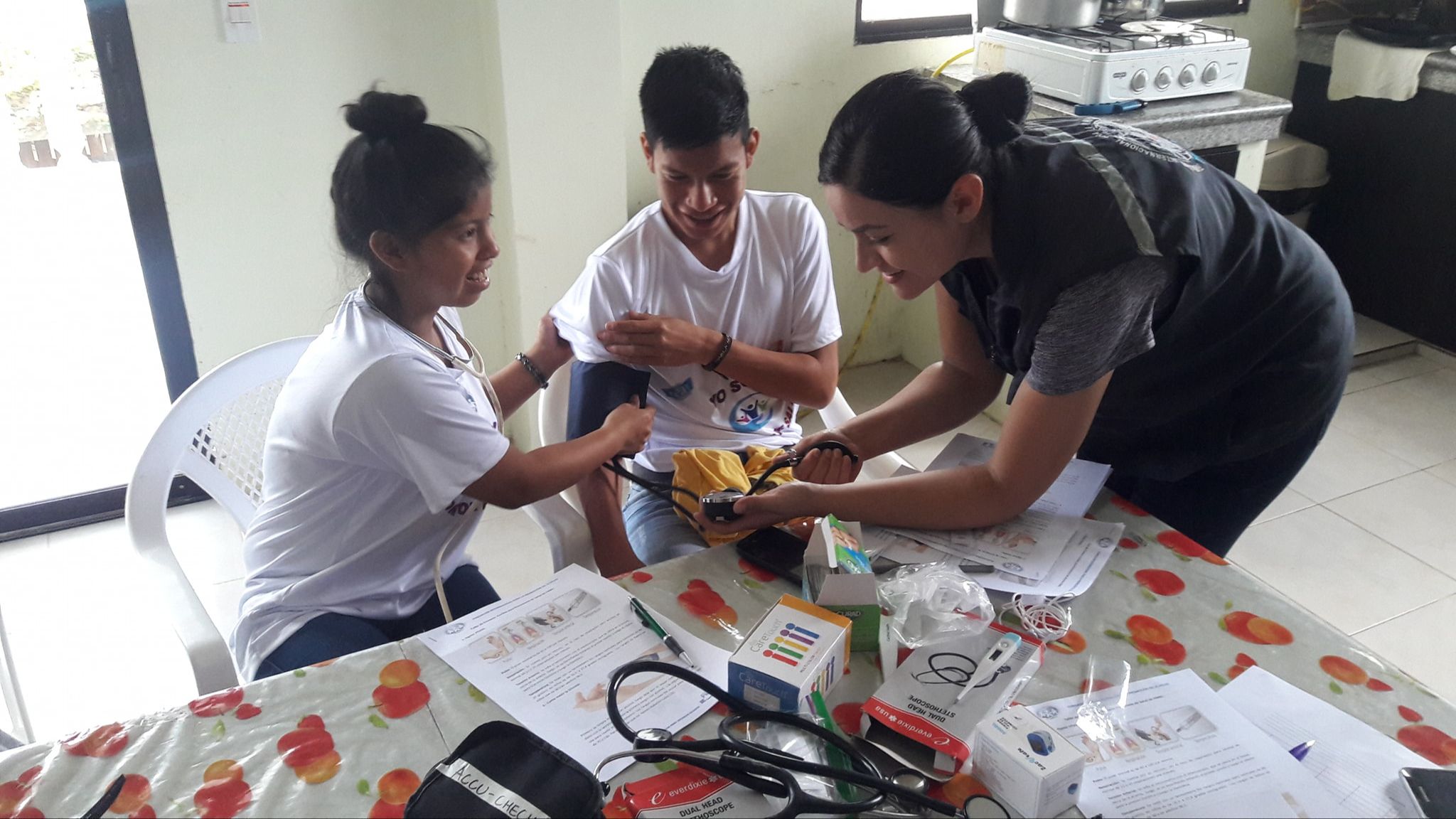
712 women die every day from preventable pregnancy-related causes. Most of them never saw a doctor. Many of them saw a nurse — or saw no one at all.
In most health systems, nurses are the first point of contact — the ones who assess, triage, educate, comfort, and follow up. In low-resource communit...
