
Stories About
Our Work
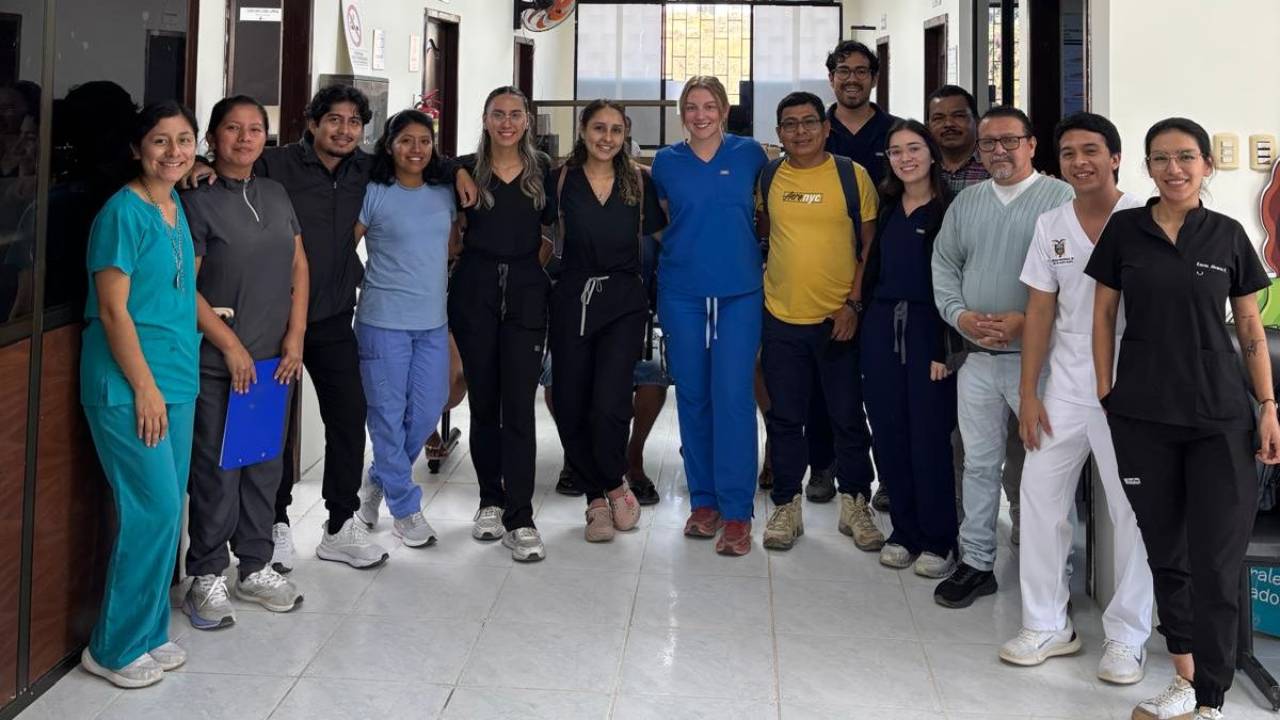
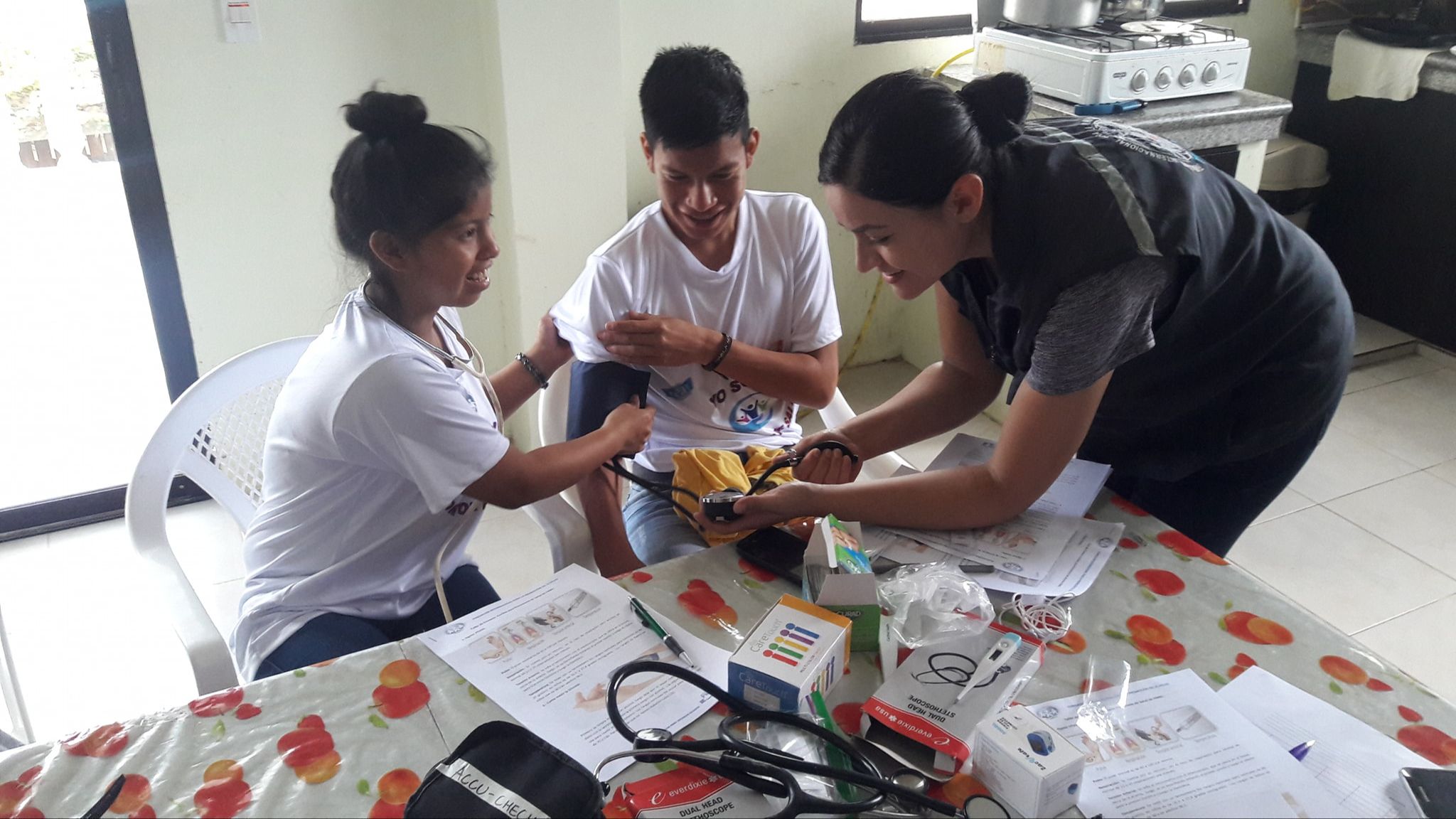
By Friday afternoon, the team had seen 588 people. Five days, five neighborhoods, one fishing town on Ecuador's Pacific coast.
That number started with a question FIMRC Ecuador asks before every campaign in Anconcito: what keeps families from reaching care in the first place?
The answers are rarel...
As told to FIMRC by Victoria Cowan
Most international health experiences hand students a clipboard and a corner of the room. You watch. You take notes. You learn from a careful distance.
Victoria Cowan, 19 years old and from the Bay Area in California, came to Huancayo, Peru expecting something d...
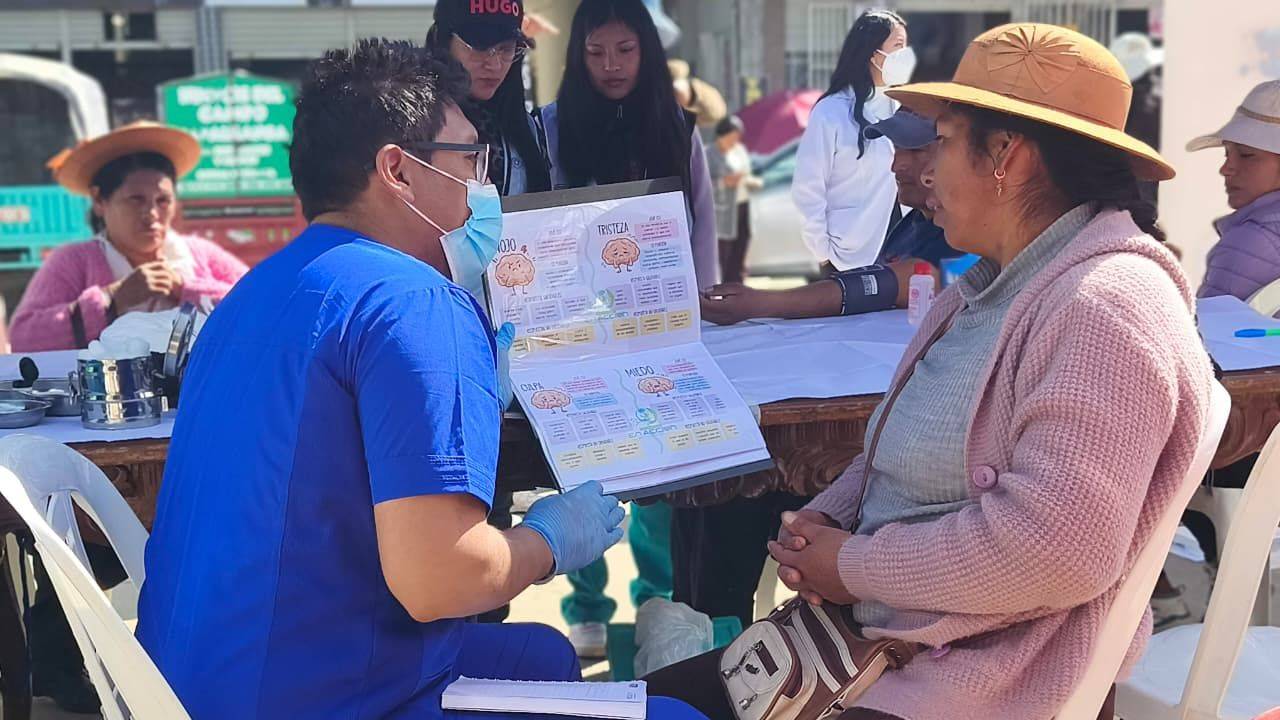
Prevention does not begin with an emergency.
It begins with a conversation a family member feels safe enough to have. A Health Promoter who recognizes that someone is struggling before things get worse. A caregiver who understands that their own emotional well-being matters too. A community where a...
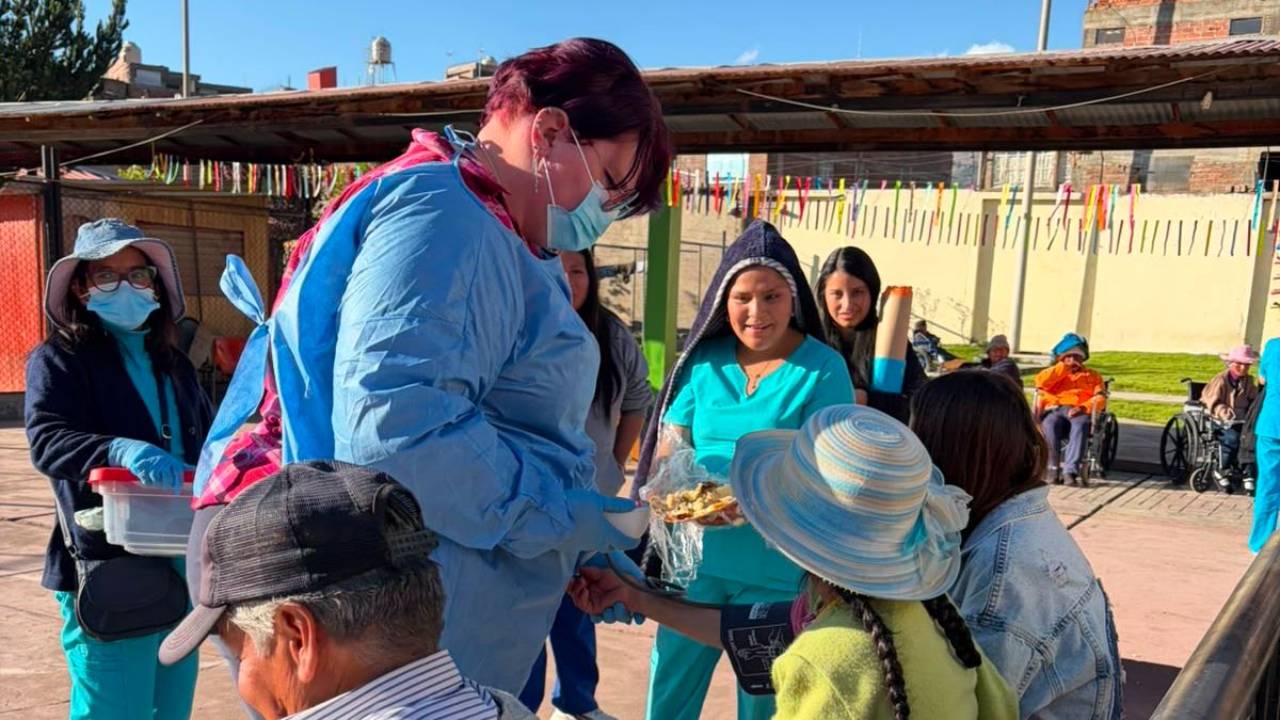
When people ask Lilly Markowitz what her favorite part of five weeks in Peru was, she does not hesitate.
"The people."
Not the hospital rotations. Not the community health campaigns. Not the surgery she observed or the workshops she led. The people — the doctors, the nurses, the children at El Ro...
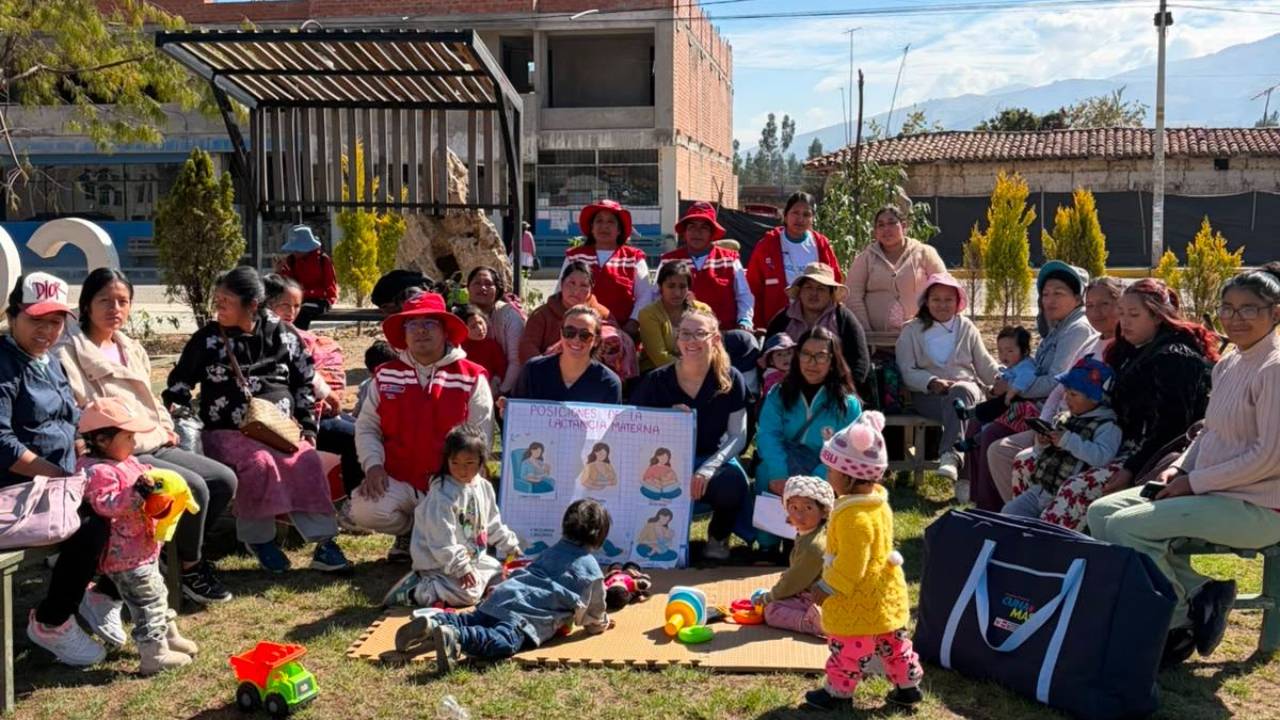
There are roughly 1.2 billion young people between the ages of 15 and 24 living in the world today. Despite growing up in wildly different national, economic, and cultural circumstances, their underlying goals tend to be the same: dignity, real opportunity, meaningful participation, and a future wor...
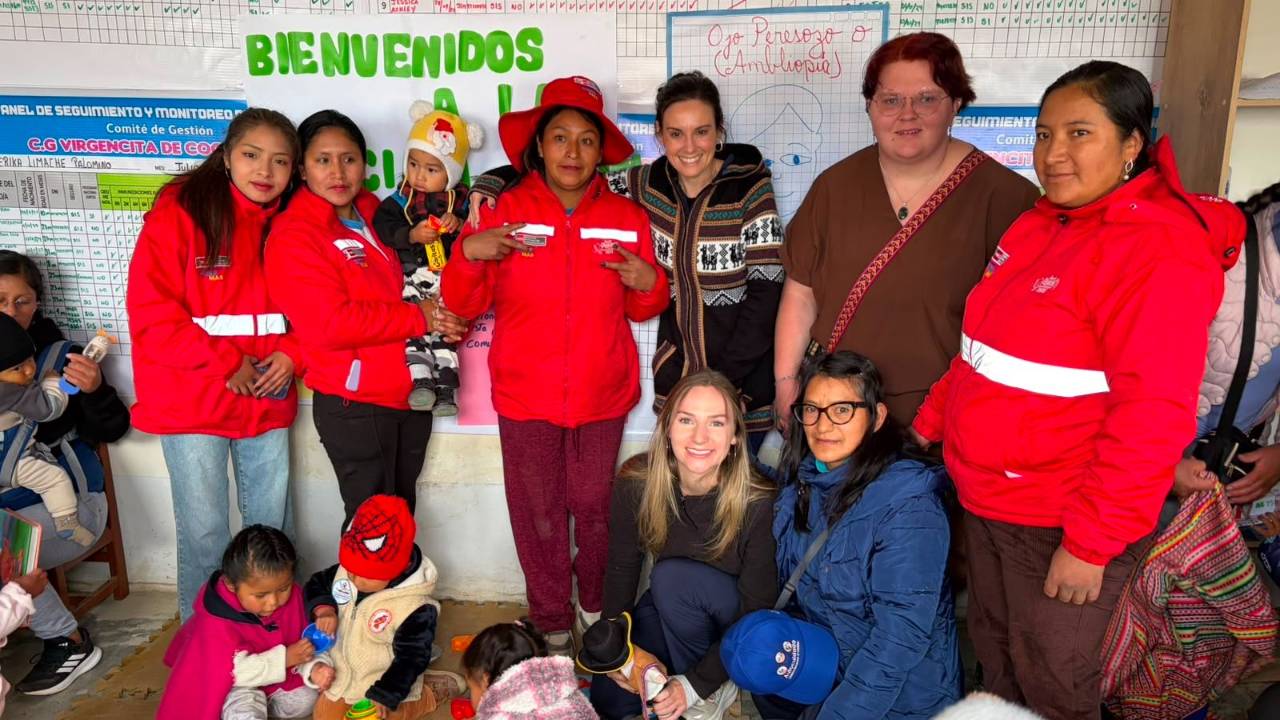
Nina Paoliello is a nursing student from New York. She is also a single mother of two, returning to school later in life, and someone who has spent years working in patient care before deciding to pursue her BSN. She is, by any measure, someone who already understands what it means to show up for ot...
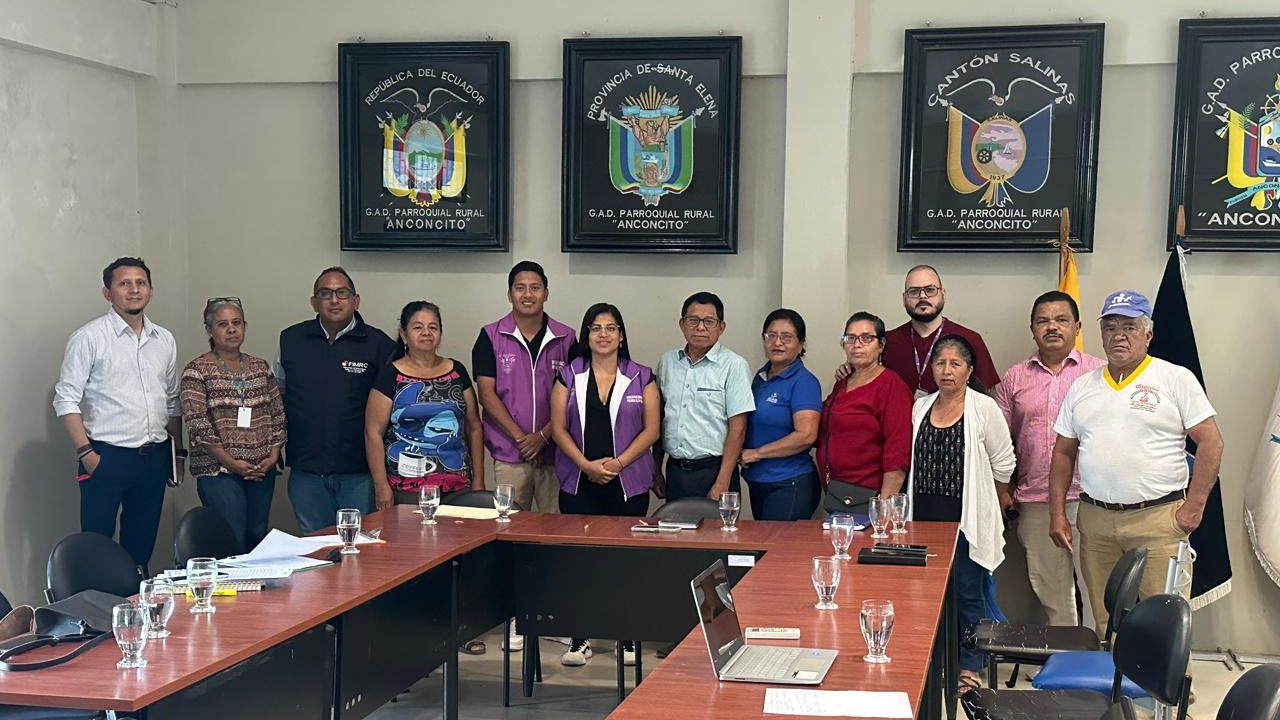
In Anconcito, Ecuador, chronic child malnutrition is not a statistic that lives in a report.
It shows up in a child's height at a routine screening. In the results of a cognitive assessment. In the long arc of a life shaped, before the age of five, by what the body did not receive when it needed it...
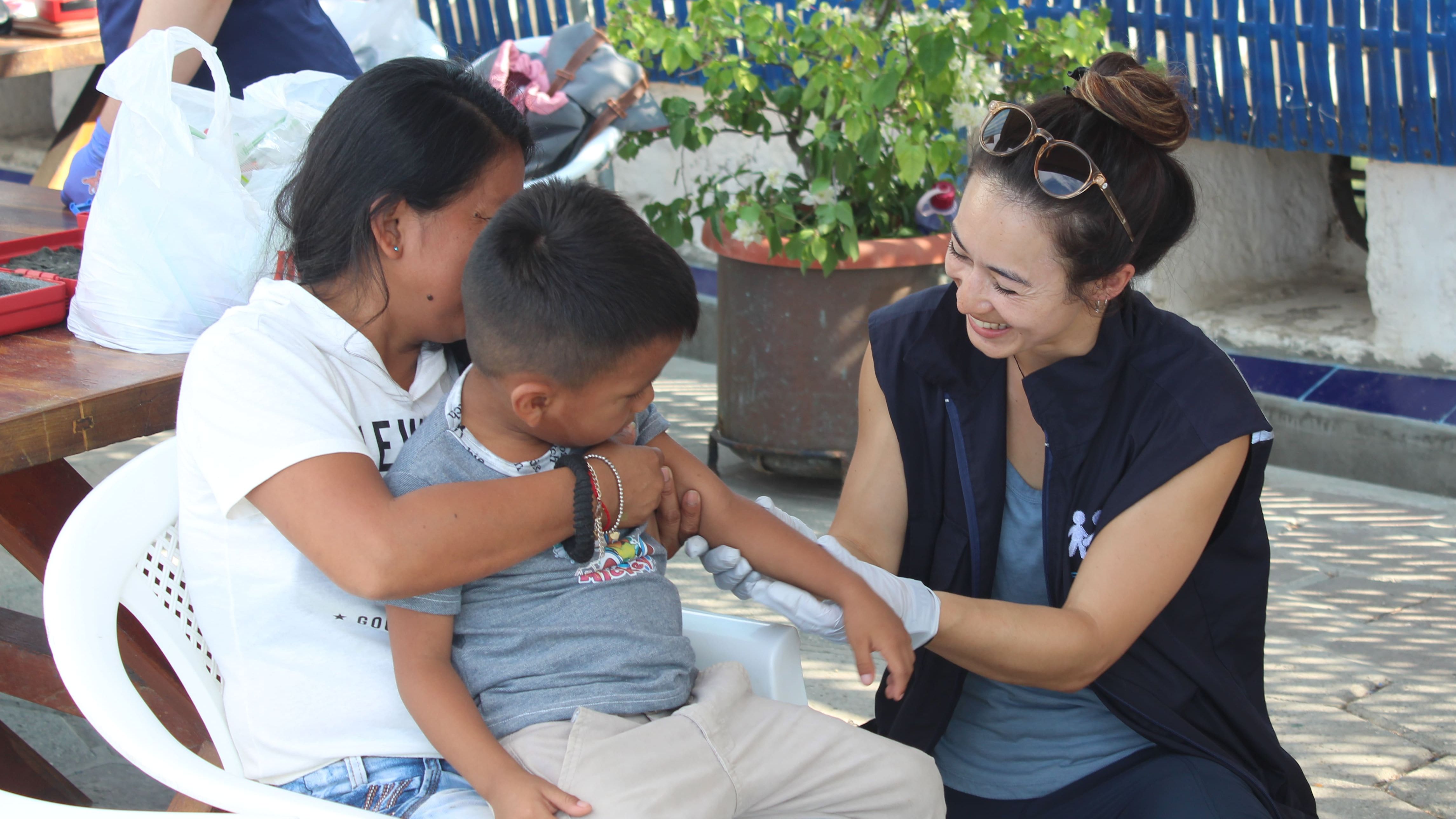
A woman delivers her baby in a rural health post in Bududa. There are complications. She is hemorrhaging. The nearest blood bank is hours away, and even if a vehicle were available right now, the roads make the journey uncertain.
This is not a hypothetical. It is a scenario that plays out across lo...
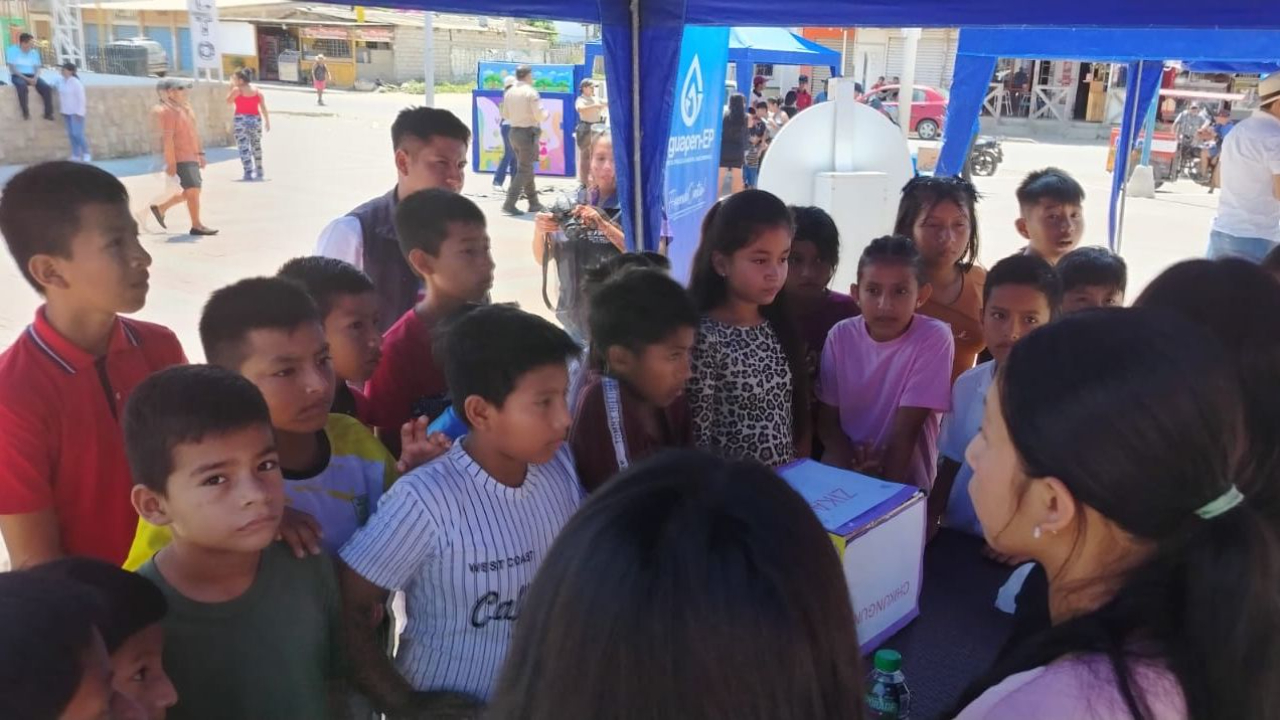
In Uganda, youth smoking prevalence sits at 5.7%. In Peru, e-cigarette use among adolescents has shown a significant increase in recent years. In Costa Rica and Ecuador, flavored nicotine products are moving fast through markets that were not ready to regulate them.
Behind every one of those number...
712 women die every day from preventable pregnancy-related causes. Most of them never saw a doctor. Many of them saw a nurse — or saw no one at all.
In most health systems, nurses are the first point of contact — the ones who assess, triage, educate, comfort, and follow up. In low-resource communit...
