
The Festival of the Sun: What FIMRC Volunteers Experience During Inti Raymi
Jun 26, 2026Every June 24, something extraordinary happens across the Andes.
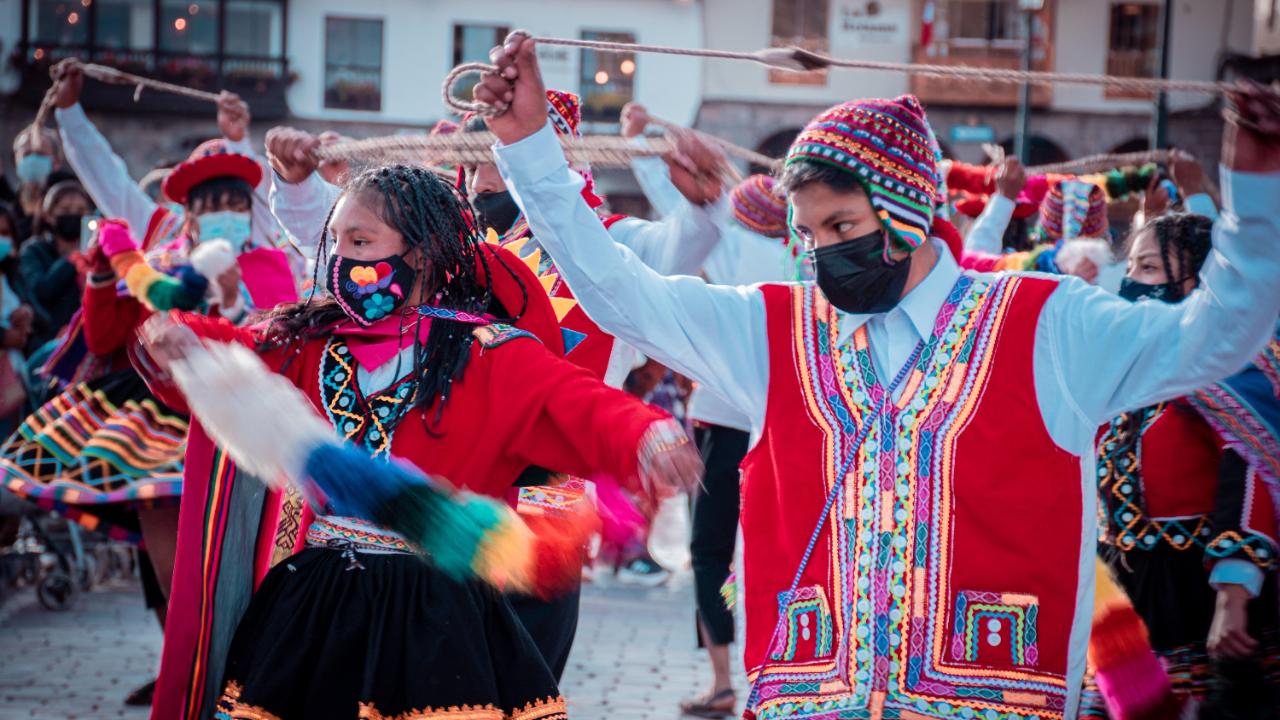
Everything begins very early, when the entourage of the Inca and the Qoya set out in procession. In the gardens of Qoricancha, a ceremony greeting the sun is held with the music of quenas and drums, the most spiritual moment, with the sun rising over the mountains. Thousands gather. Chants in Quechua fill the air. Approximately 800 artists, actors, dancers, and musicians dressed in traditional attire recreate one of the most important ceremonies of Andean civilization.
This is Inti Raymi, the Festival of the Sun. And for FIMRC volunteers in Peru and Ecuador, it is one of the most profound experiences the program offers.
Not because it is spectacular, though it is. But because it reveals something about the communities volunteers serve that no clinical rotation ever could.
Five Centuries of Continuity
Inti Raymi was first established by Incan Emperor Pachacuti between 1412 and 1430 to commemorate the winter solstice and honor Inti, the Sun God. The Incas last celebrated it as an independent empire in 1535, before the Spanish conquest.
It was banned. It survived anyway.
During the centuries when the ceremony was suppressed, Andean communities in Ecuador and Bolivia preserved related sun celebrations, keeping the spirit of the tradition alive across the Andes. In 1944, it was formally revived in Cusco. The 2026 edition marks 82 years since that modern revival began.
For the communities FIMRC serves in Huancayo, Peru and across Ecuador, Inti Raymi is not a tourist event. It is a public way to keep Quechua and Inca heritage visible, celebrate Andean identity, and pass traditions forward through music, language, clothing, and ceremony. That distinction matters, and volunteers who understand it engage with the communities they serve at an entirely different level.
What the Festival Teaches That the Clinic Cannot
Effective global health work is inseparable from cultural understanding.
A volunteer who arrives in Huancayo knowing only the clinical context of the communities they serve will do adequate work. A volunteer who has stood in a plaza at dawn watching a Quechua ceremony, who has eaten alongside families celebrating the Andean New Year, who has heard history spoken in a language older than the country itself, that volunteer builds trust differently.
They ask better questions. They listen more carefully. They understand, in a way that cannot be taught in a classroom, why community-based health education must be delivered with cultural humility, not just competence.
Inti Raymi carries both religious significance as a public act of devotion and symbolic renewal, and a social and political role that brings communities together around shared identity and values. For volunteers, bearing witness to that, as guests, with respect, is one of the most formative parts of the FIMRC experience.
The GHVP in Peru and Ecuador: More Than a Program
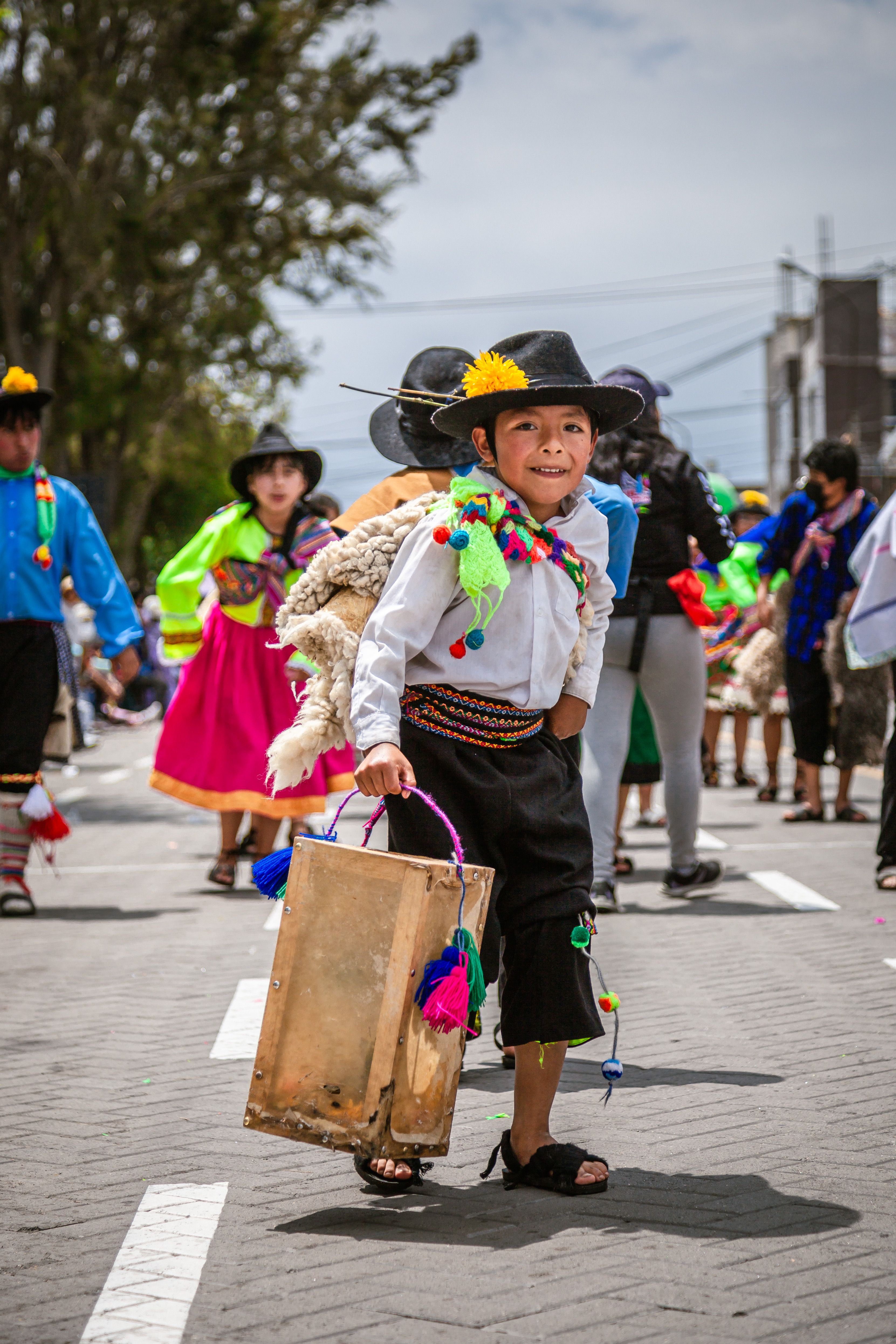
FIMRC's Global Health Volunteer Program (GHVP) places volunteers directly inside communities in Huancayo, Peru and Ecuador, working alongside local healthcare teams on community health initiatives that include:
- Preventive care campaigns and health screenings in underserved communities
- Maternal and child health education and outreach
- Home visits alongside local health workers to reach families who cannot access clinics
- WASH-focused activities addressing water, sanitation, and hygiene in high-risk areas
- Health education workshops delivered with cultural sensitivity and community trust
Inti Raymi season, late June, is one of the most vibrant times to be present in these communities. The energy of the celebration infuses daily life. Markets overflow. Families gather. The pace of the community shifts into something warmer and more communal — and volunteers who are present during this time experience a dimension of community life that transforms how they approach their health work.
Two Countries. One Celebration.
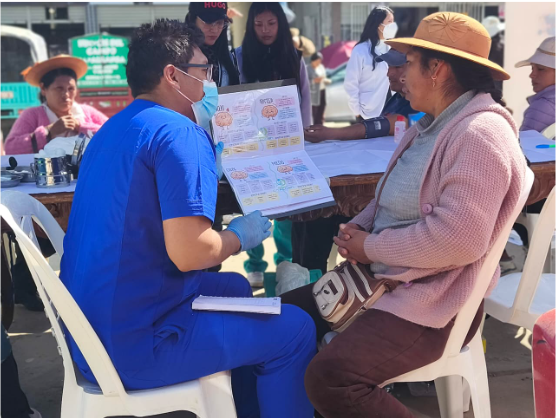
Several countries celebrate Inti Raymi, with the most famous taking place in Cusco. But in Ecuador, Andean communities maintain deeply rooted traditions connected to the winter solstice, a parallel celebration that carries the same spirit through different landscapes and local expressions.
For volunteers choosing between FIMRC's Peru and Ecuador sites, both offer the chance to experience Inti Raymi within the communities they serve — not as tourists passing through, but as people embedded in local life, welcomed into the rhythms of a culture that has survived centuries of suppression and emerged stronger for it.
That is not a small thing to witness.
Culture Is Not a Footnote to Global Health. It Is the Foundation.
A health campaign that ignores cultural context fails. A volunteer who treats cultural immersion as a bonus activity misses the point.
The communities FIMRC serves in Peru and Ecuador have identities shaped by millennia of Andean history, by the endurance of indigenous language and tradition, by celebrations like Inti Raymi that carry collective memory forward from one generation to the next. Understanding that context is not optional for a global health volunteer. It is the difference between delivering information and actually being heard.
If you are looking for a volunteer experience that combines hands-on community health work with genuine cultural immersion in one of the world's most historically rich regions, Inti Raymi season in Peru or Ecuador is where that begins.
FAQ SECTION
👉 What is Inti Raymi and when is it celebrated?
Inti Raymi, or the Festival of the Sun, is an ancient Andean celebration honoring Inti, the Inca Sun God, and marking the winter solstice in the Southern Hemisphere. It is celebrated every June 24 — most famously in Cusco, Peru, where approximately 800 performers reenact the original Inca ceremony across three historic sites: Qoricancha, the Plaza de Armas, and Sacsayhuamán. Related celebrations also take place in Ecuador and other Andean countries.
👉 Can FIMRC volunteers experience Inti Raymi during their program?
Yes. FIMRC's GHVP places volunteers in Peru and Ecuador during program rotations that can coincide with late June, making it possible to experience Inti Raymi as part of their cultural immersion. Volunteers are embedded in communities rather than visiting as tourists, which offers a more authentic and meaningful experience of the celebration.
👉 Why does cultural immersion matter for global health volunteers?
Cultural context directly shapes the effectiveness of health communication, community trust, and the long-term success of health initiatives. Volunteers who understand the cultural identity of the communities they serve engage more meaningfully, communicate more effectively, and build the kind of relationships that make health education actually work.
👉 What does the FIMRC GHVP involve in Peru and Ecuador?
FIMRC's Global Health Volunteer Program places volunteers in community health settings where they support preventive care campaigns, maternal and child health outreach, health education workshops, home visits, and WASH-focused initiatives — all working alongside local healthcare teams in Huancayo, Peru and Ecuador.
👉 What makes volunteering during Inti Raymi season different from other times of year?
Late June in Andean communities is a period of heightened cultural activity, community gathering, and collective celebration. Volunteers present during this time experience a dimension of community life — shared identity, ancestral tradition, intergenerational pride — that deepens their understanding of the people they are serving and the context in which health work takes place.
Want your questions on volunteering abroad answered quicker? Book a quick call with our team!
Stay connected with news and updates!
Join our mailing list to receive the latest news and updates from our team.
Don't worry, your information will not be shared.
We hate SPAM. We will never sell your information, for any reason.
