
Holy Week Abroad: Experiencing Semana Santa as a FIMRC Volunteer
Mar 27, 2026Global health volunteering is rarely just about the time in the clinic.
It is about showing up, fully, in a community– learning its rhythms, its traditions, and the way people come together. Some of the most meaningful moments happen outside of structured programming.
Holy Week—or Semana Santa—is one of those moments.
For FIMRC volunteers arriving during this time, the experience offers something deeper than cultural exposure. It provides a window into daily life, community values, and shared traditions that shape how people connect with one another.
What Is Semana Santa?
Semana Santa, or Holy Week, is observed in many countries around the world in the days leading up to Easter.
In places like Peru, Costa Rica, and Ecuador, it is not just a single holiday—it’s a full week where daily routines shift.
- Schools and businesses may close
- Streets fill with processions and gatherings
- Families spend time together
- Communities pause and reflect
For volunteers, this change of pace offers a unique opportunity to observe how cultural traditions shape everyday life.
How Holy Week Is Celebrated Across FIMRC Sites
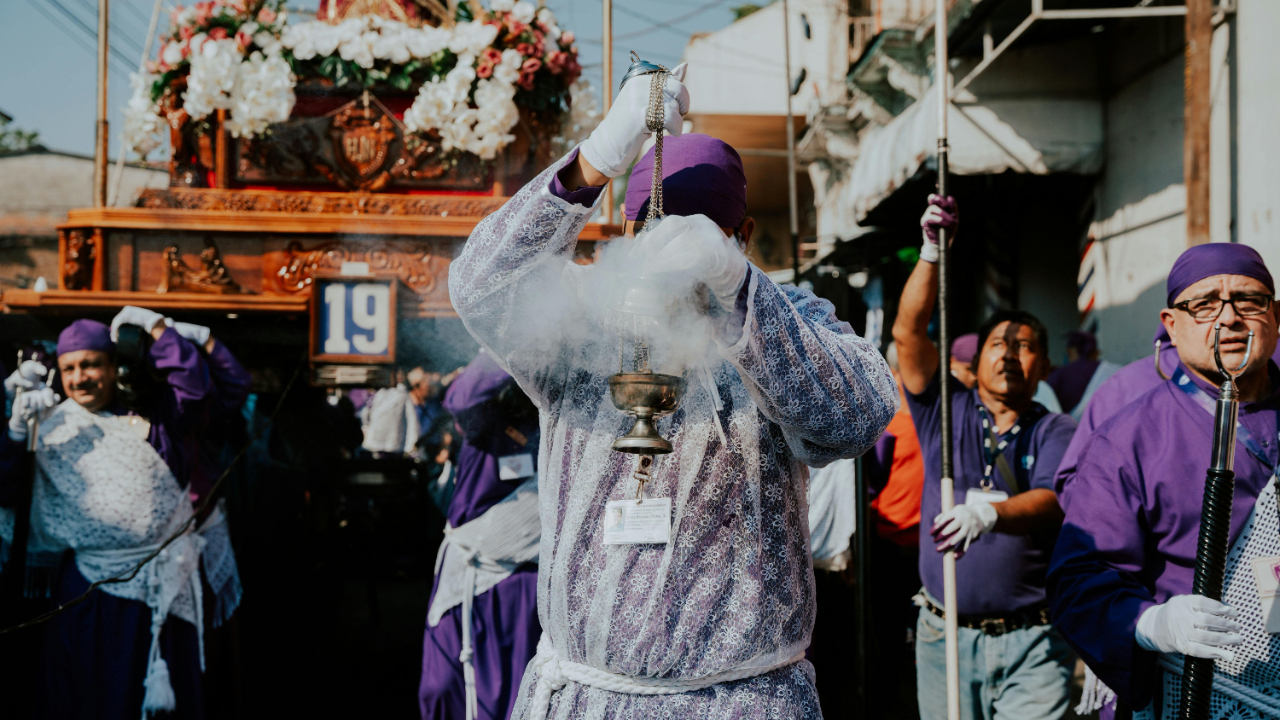
What makes Holy Week so remarkable across the FIMRC project sites is how deeply the celebrations permeate daily life. Unlike in North America, where Easter is often a single day, in Peru, Costa Rica, and Ecuador entire communities pause for the week, schools close, neighbors gather, and traditions passed down through generations take over the streets.
In Peru, Holy Week is celebrated with a vivid mix of Catholic and indigenous Andean traditions. In cities like Huancayo and Ayacucho, elaborate street processions featuring colorful costumes and traditional music are considered among the best in the country. For volunteers based in Huancayo, this is living history, Andean culture and community identity expressed through sound, color, and collective memory.
In Costa Rica, passion processions re-enact the journey to the crucifixion and take place in most towns, while the holiday is also a time for families to come together, share traditional homemade food, and celebrate.
In Ecuador, a traditional dish called Fanesca, a soup made of twelve grains representing the apostles, is shared across families during Holy Week, turning the act of eating into something communal and deeply rooted in local identity.
In Uganda, the celebration takes on a different character, quieter, more community-centered, but no less meaningful. Church gatherings, shared meals, and neighborhood traditions mark the week in Bududa as a time of collective pause and reflection.
More Than Observation
FIMRC volunteers don’t experience Holy Week as tourists.
They experience it as guests within the community—sharing space, time, and moments with local staff, families, and neighbors.
This kind of immersion matters.
Understanding a community isn’t only about its healthcare system. It’s also about:
- What people celebrate
- How they gather
- What traditions they carry forward
For many volunteers, being present during Semana Santa adds context to everything else they learn—both inside and outside the clinic.
Why Cultural Experiences Matter in Global Health
Effective global health work depends on trust, and trust is built through relationships.
Moments like Holy Week—when communities slow down and come together—offer space for connection in ways that structured programs often cannot.
For volunteers, this can deepen:
- Cultural understanding
- Communication skills
- Awareness of community dynamics
- Respect for local traditions and perspectives
These are essential components of ethical and sustainable global health engagement.
Plan Your Spring Volunteer Experience
If you’re considering volunteering abroad in the spring, Holy Week offers a unique opportunity to combine:
- Hands-on global health experience
- Cultural immersion
- Community engagement
FIMRC’s Global Health Volunteer Program (GHVP) is open to students, healthcare professionals, and individuals interested in global health.
Programs are available in:
- Peru
- Uganda
- Costa Rica
- Ecuador
If you’re looking for an experience that goes beyond the clinic, this could be a meaningful time to travel.
Learn more: fimrc.org/ghvp
Want your questions on volunteering abroad answered quicker? Book a quick call with our team!
Stay connected with news and updates!
Join our mailing list to receive the latest news and updates from our team.
Don't worry, your information will not be shared.
We hate SPAM. We will never sell your information, for any reason.
