
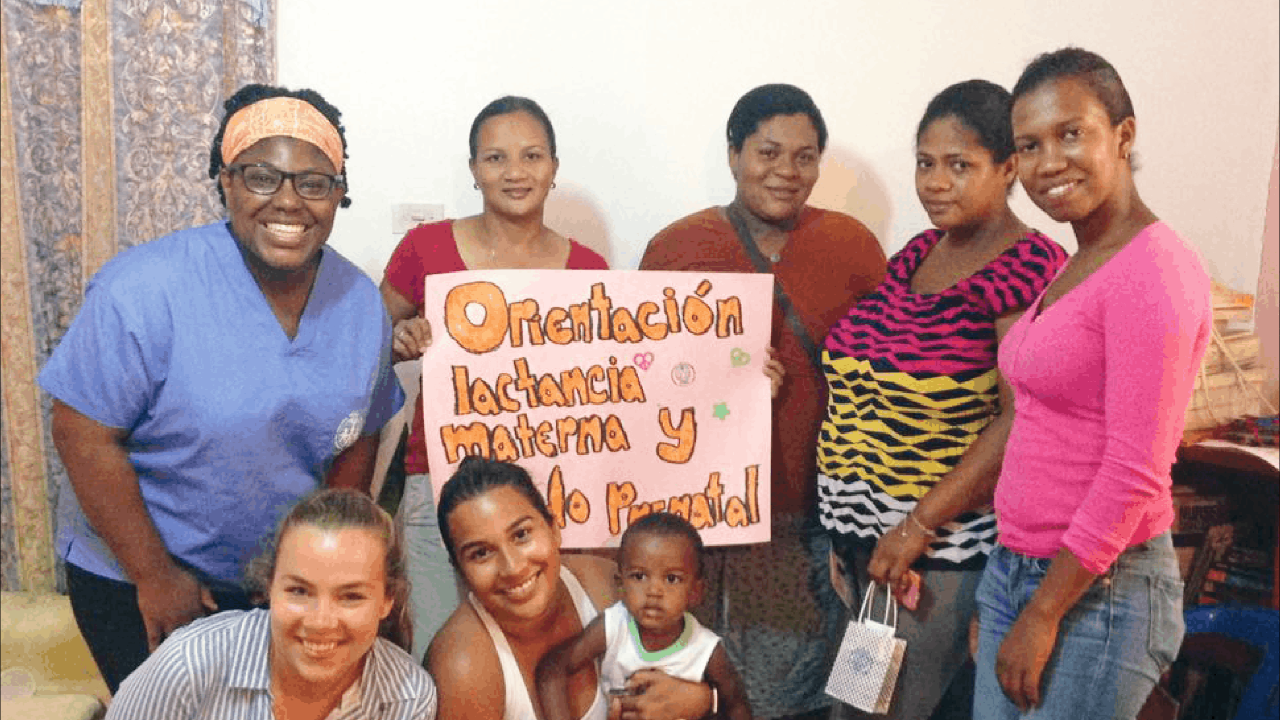
Strengthen What Works: Breastfeeding Support and FIMRC's Community Health Work
Jul 31, 2026A new mother in a highland community outside Huancayo has delivered her baby at home. There was no lactation consultant in the room. No postnatal nurse to check the latch. No one to answer the questions that arrive in the first hours of a newborn's life, the ones that determine whether breastfeeding begins well or collapses before it starts.
She wants to breastfeed. She just does not know if she is doing it right.
That gap between intention and support is where infant nutrition is won or lost. And it is exactly the gap that World Breastfeeding Week 2026, observed August 1 through 7, addresses through its theme: Breastfeeding for a Sustainable Start in Life: Strengthen What Works — a call to track progress, learn from what is succeeding, and build the kind of lasting, community-embedded support that makes breastfeeding possible for every mother, not just those with easy access to healthcare.
In the communities FIMRC serves, that support is not a given. Building it is the work.
Why Breastfeeding Is a Public Health Issue, Not only a Personal One
Protecting, promoting, and supporting breastfeeding ensures optimum nutrition, food security, and poverty reduction. Breastfeeding saves both infant and maternal lives. It supports nutrition, development, and lifelong health. Breastmilk is a low-cost, locally available nutrition source for all, promoting equity with economic returns to families and nations.
That framing matters. Breastfeeding is often discussed as a personal choice, something that belongs to the mother and her baby. And it does. But the conditions that make that choice possible are collective. They are shaped by whether a mother receives accurate information during pregnancy, whether her family understands and supports her decision, whether her community's health workers have the time and training to guide her through the early weeks, and whether the cultural environment around her treats breastfeeding as normal or as something to manage in private.
In low-resource communities, those conditions are frequently absent. A new mother may need help from a trained healthcare professional when her baby is struggling to latch. She may need family members to encourage her rather than question her choices. Without that support structure, the best intentions do not survive the difficulty of the first days.
FIMRC volunteers become part of that support structure.
What FIMRC's Community Health Teams Actually Do
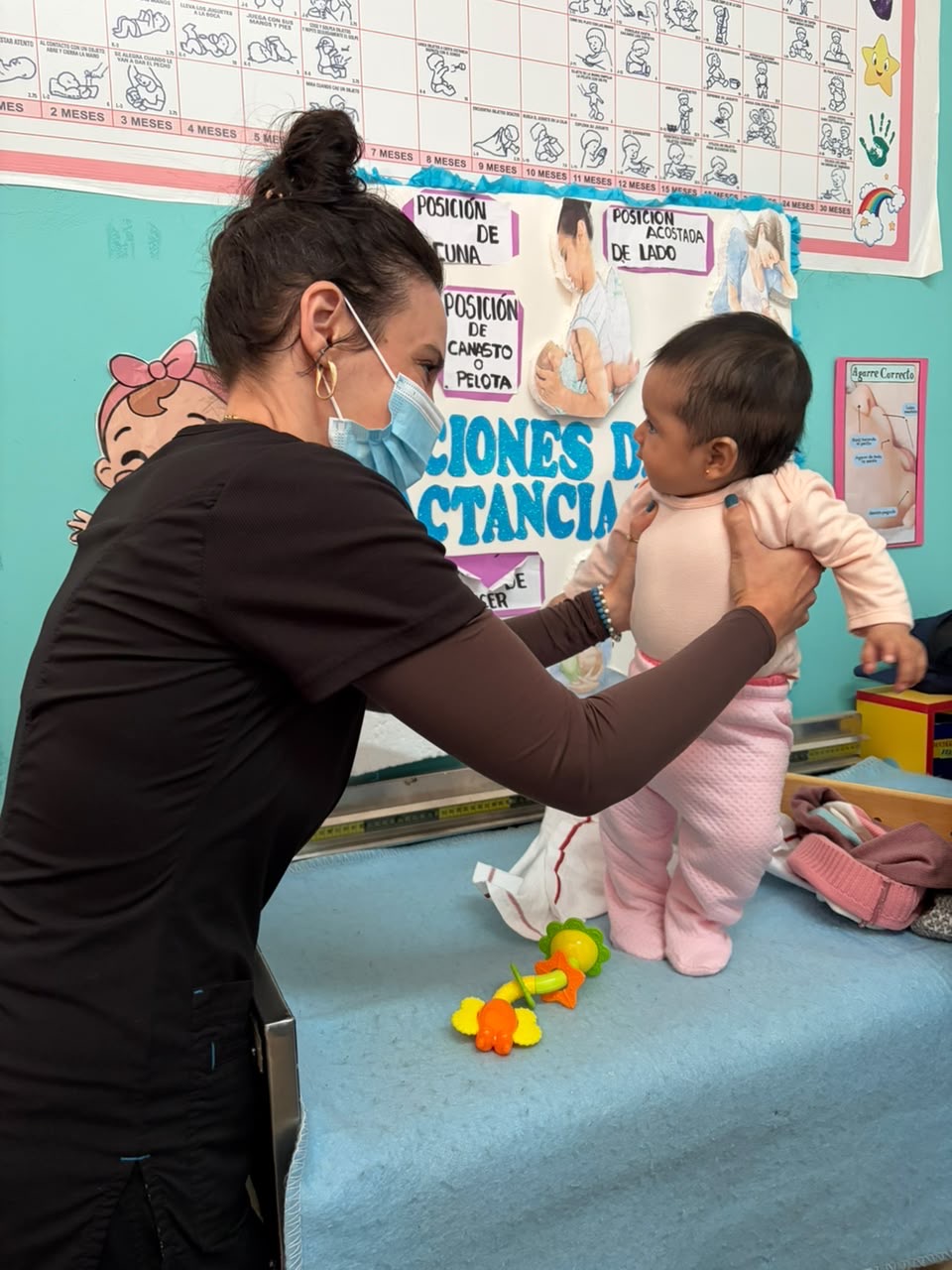
FIMRC's Global Health Volunteer Program (GHVP) places volunteers directly inside communities across Peru, Costa Rica, and Ecuador, working alongside local healthcare teams on maternal and child health initiatives where breastfeeding education is a consistent thread.
In practice, that includes:
- Prenatal health education sessions that introduce breastfeeding as the foundation of infant nutrition, before the baby arrives, when mothers are most receptive
- Postnatal home visits that reach new mothers in the critical first days and weeks, when support is most needed and least available
- Community outreach that engages families — fathers, grandmothers, extended household members, in understanding how their support shapes breastfeeding outcomes
- Health education workshops that address common barriers: concerns about milk supply, misinformation about formula, workplace and cultural pressures
- Nutritional monitoring of infants that identifies early signs of insufficient feeding and connects families to appropriate care
None of this is complicated in theory. In communities without consistent healthcare infrastructure, doing it consistently is the challenge. That consistency is what volunteers support.
The Family Behind the Mother
One of the least-discussed determinants of breastfeeding success is the family environment a mother returns to after delivery.
In the communities FIMRC serves, household decision-making is often collective. A grandmother's opinion about infant feeding carries weight. A partner's understanding — or misunderstanding, of breastfeeding shapes what happens at home in ways that no clinic visit can fully control. When a health education campaign reaches only the mother, it changes one person's knowledge. When it reaches the household, it changes the environment in which that knowledge can be acted on.
FIMRC's community health approach is built on this understanding. Outreach is designed to engage families, not just patients. Volunteers who conduct home visits meet the whole household, and learn, quickly, that the social dynamics around a new mother are as important to her infant's nutrition as anything that happens in a clinical setting.
What This Week Asks of Future Healthcare Professionals
The 2026 theme encourages all sectors of society to track progress, learn from countries with strong breastfeeding outcomes, and identify the essential elements of effective breastfeeding support.
For students training in medicine, nursing, midwifery, or public health, that call has a direct translation: learn to see infant nutrition not as a clinical episode but as a community health outcome. Understand that the factors shaping a mother's breastfeeding experience begin long before delivery and extend far beyond the hospital room.
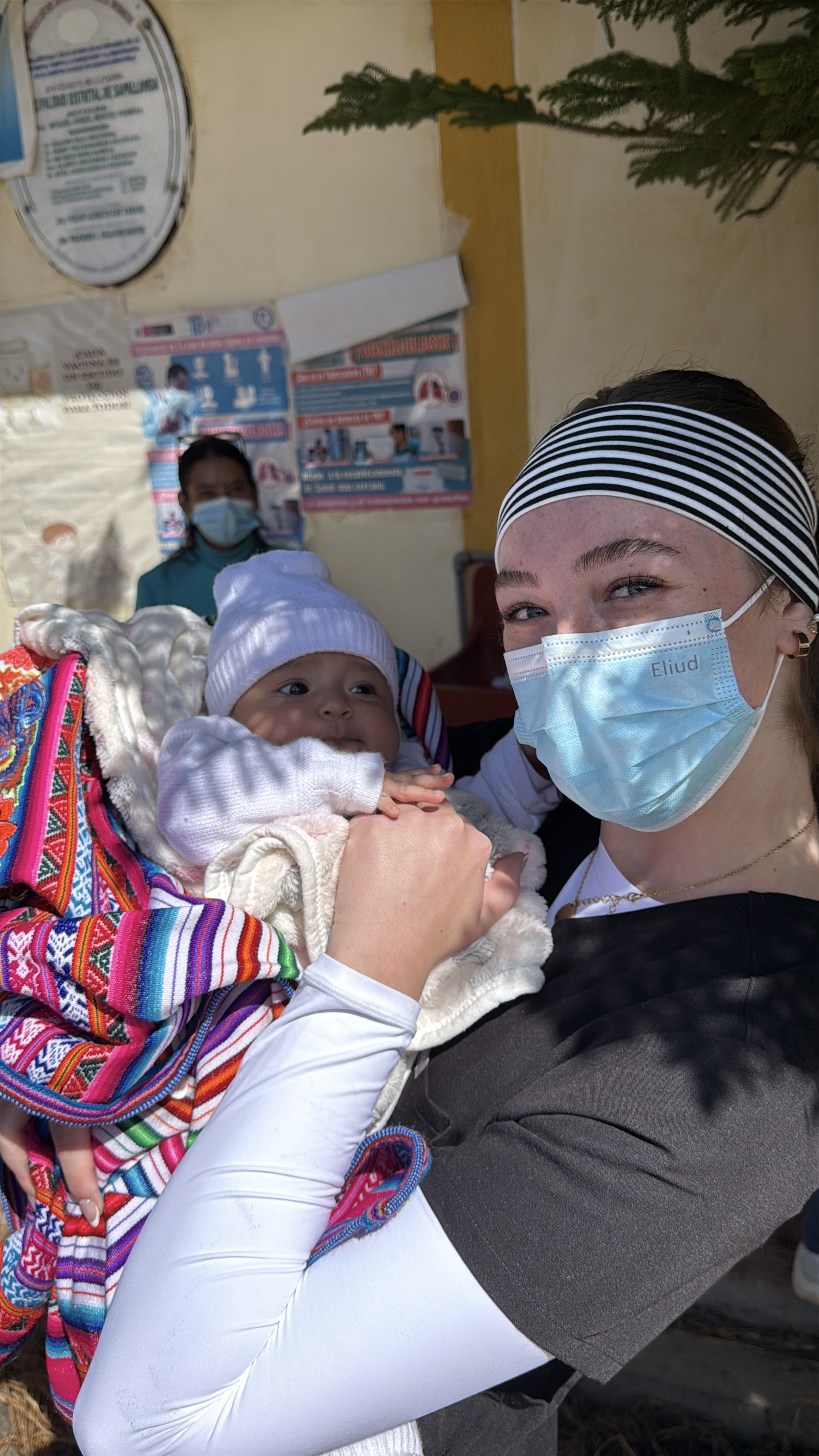
FIMRC volunteers who work in maternal and child health settings across Peru, Costa Rica, and Ecuador develop exactly that perspective — through home visits, community outreach, and the kind of sustained presence in a community that reveals what health education looks like when it actually works.
Strengthen What Works — Starting With the People Closest to Families
The theme of World Breastfeeding Week 2026 is not a call to reinvent community health.
It is a call to do more of what already makes a difference, sustained, trusted, community-embedded support for mothers and families in the moments that shape a child's earliest nutrition. FIMRC's GHVP is built on exactly that principle.
If you are a future health professional ready to understand maternal and child health from the ground up, and to contribute meaningfully to communities where that work is most needed, this is where that learning begins.
FAQ SECTION
What is World Breastfeeding Week 2026 and what is its theme?
World Breastfeeding Week is observed globally from August 1 to 7 each year, coordinated by the World Alliance for Breastfeeding Action with support from WHO and UNICEF. The 2026 theme, Breastfeeding for a Sustainable Start in Life: Strengthen What Works, calls on governments, health systems, and communities to build on proven breastfeeding support strategies — making consistent, equitable support available to every mother, not just those with easy healthcare access.
Why is breastfeeding considered a public health priority?
Breastfeeding protects infants from infection, supports cognitive development, reduces maternal cancer risk, and contributes to food security and poverty reduction at the family and community level. In low-resource settings, breastmilk is often the safest and most reliable source of infant nutrition available — making its promotion and support a direct investment in child survival and long-term health outcomes.
What barriers do mothers in low-resource communities face when trying to breastfeed?
Common barriers include limited access to trained lactation support, misinformation about infant formula, household and cultural pressures, lack of postnatal follow-up, and insufficient family education. Without consistent community-based support during the critical first days and weeks, even mothers who intend to breastfeed often discontinue earlier than recommended.
How do FIMRC volunteers support breastfeeding and maternal health in the field?
FIMRC volunteers work alongside local health teams in Peru, Costa Rica, and Ecuador on prenatal education, postnatal home visits, family outreach, and infant nutritional monitoring. By reaching mothers and households in the community — not only in clinical settings — volunteers help build the sustained support environment that makes breastfeeding success possible.
Why is family engagement important in breastfeeding support programs?
Breastfeeding outcomes are shaped not just by a mother's knowledge and intention, but by the environment she returns to after delivery. Partners, grandmothers, and extended family members influence feeding decisions significantly. Community health programs that engage the full household — not only the mother — are more effective at creating the supportive conditions breastfeeding requires.
Want your questions on volunteering abroad answered quicker? Book a quick call with our team!
Stay connected with news and updates!
Join our mailing list to receive the latest news and updates from our team.
Don't worry, your information will not be shared.
We hate SPAM. We will never sell your information, for any reason.
