
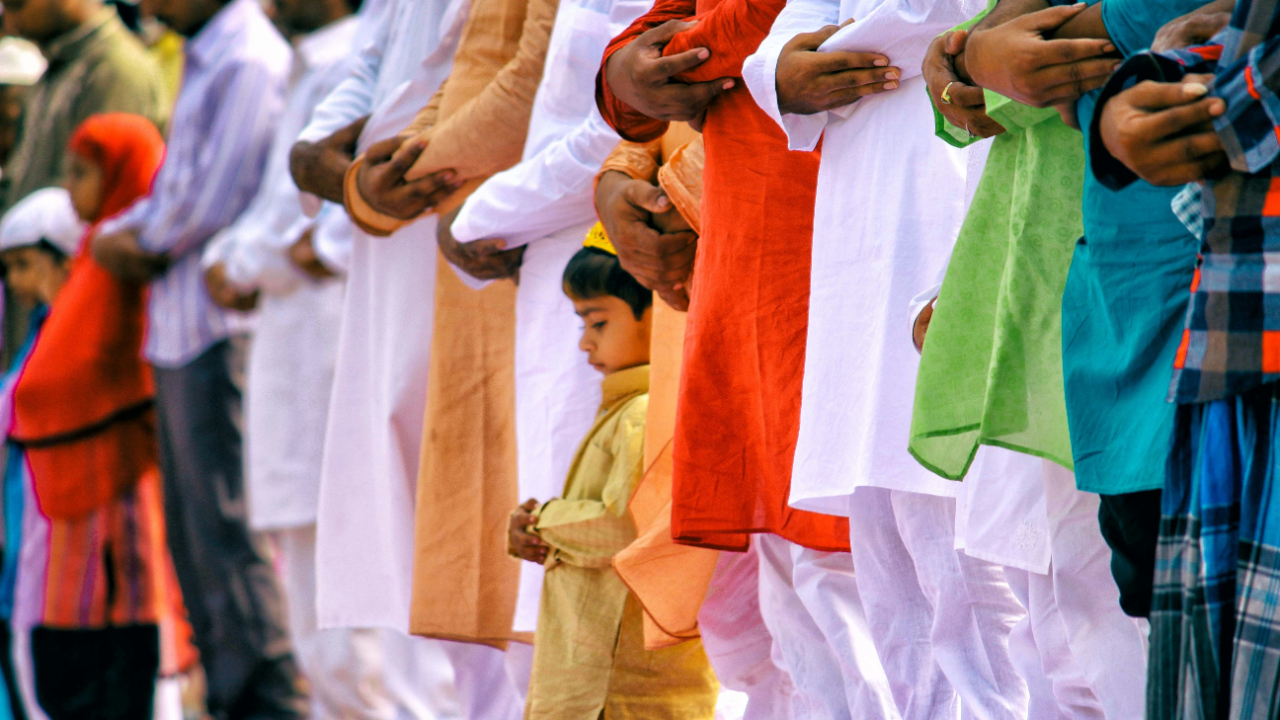
Eid al-Fitr and Global Health Volunteering: Carry Your Values Into the Field with FIMRC
Mar 20, 2026Eid al-Fitr marks the end of Ramadan, a month defined by patience, self-discipline, and deep reflection on the lives of those who go without. These are also the foundation of meaningful global health work.
As Muslims around the world celebrate the close of Ramadan, many ask the question: how do we carry the spirit of this month into the rest of the year?
For Muslim students and healthcare professionals interested in international volunteering, FIMRC’s programs offer one answer: take those values into the field, into underserved communities, and into real global health work.
Service Is at the Heart of Both
Giving is central to Eid al-Fitr. Practices like zakat al-Fitr emphasize ensuring that everyone, especially those facing hardship, can celebrate with dignity. No one should be left behind.
That same principle of inclusion and care for vulnerable communities is foundational to our global health work.
In the communities where FIMRC operates, access to healthcare, clean water, and basic nutrition is not guaranteed. The families that volunteers work alongside face structural inequities that Ramadan calls every believer to confront, not just once a year, but every day.
For Muslim volunteers, engaging in this work is not about ‘helping’ from outside. It’s about learning, supporting, and showing up with respect for local knowledge and lived experience.
Global Health Volunteering with FIMRC: What It Looks Like
FIMRC’s Global Health Volunteer Program (GHVP) offers immersive experiences across four project sites:
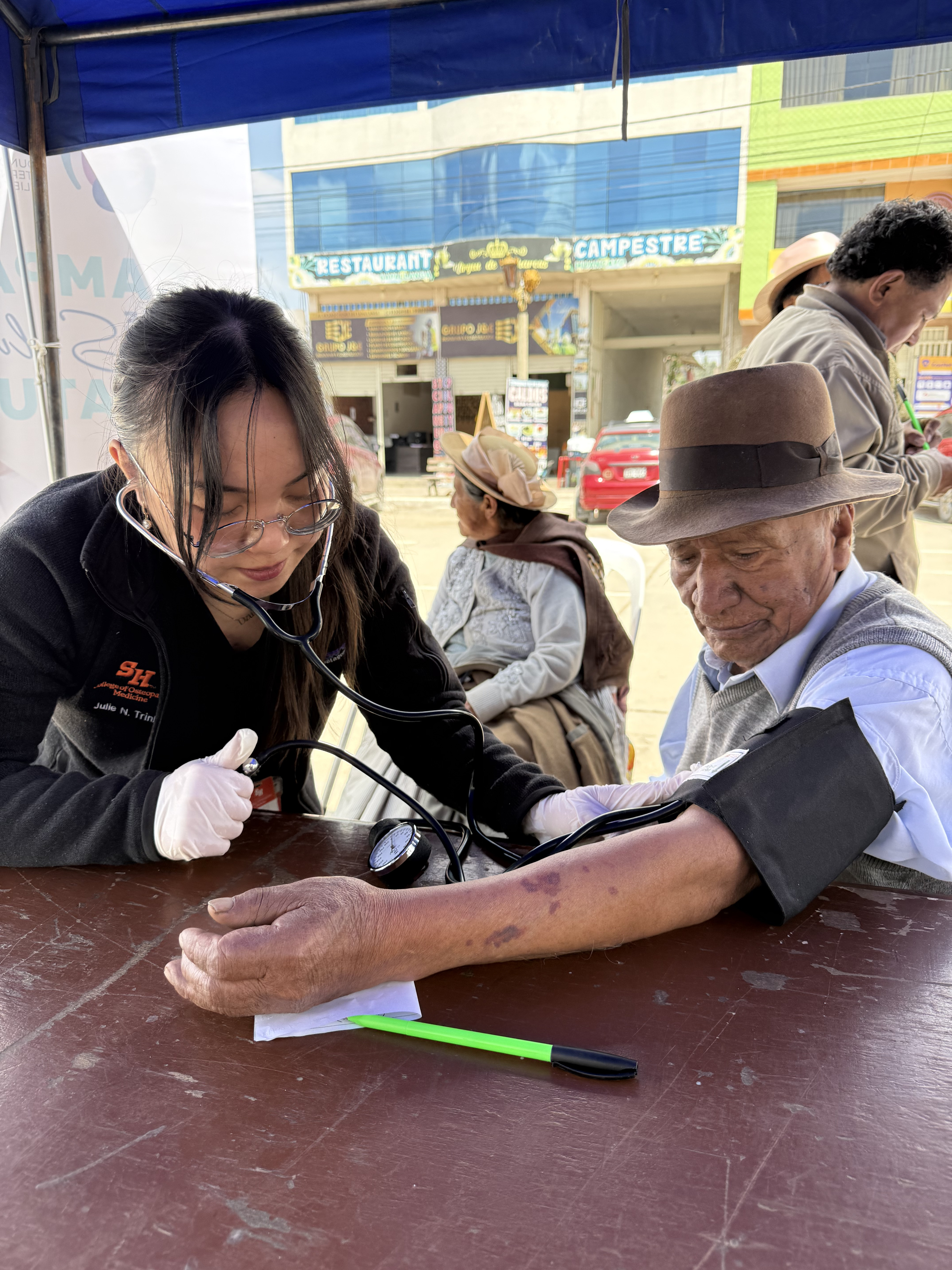
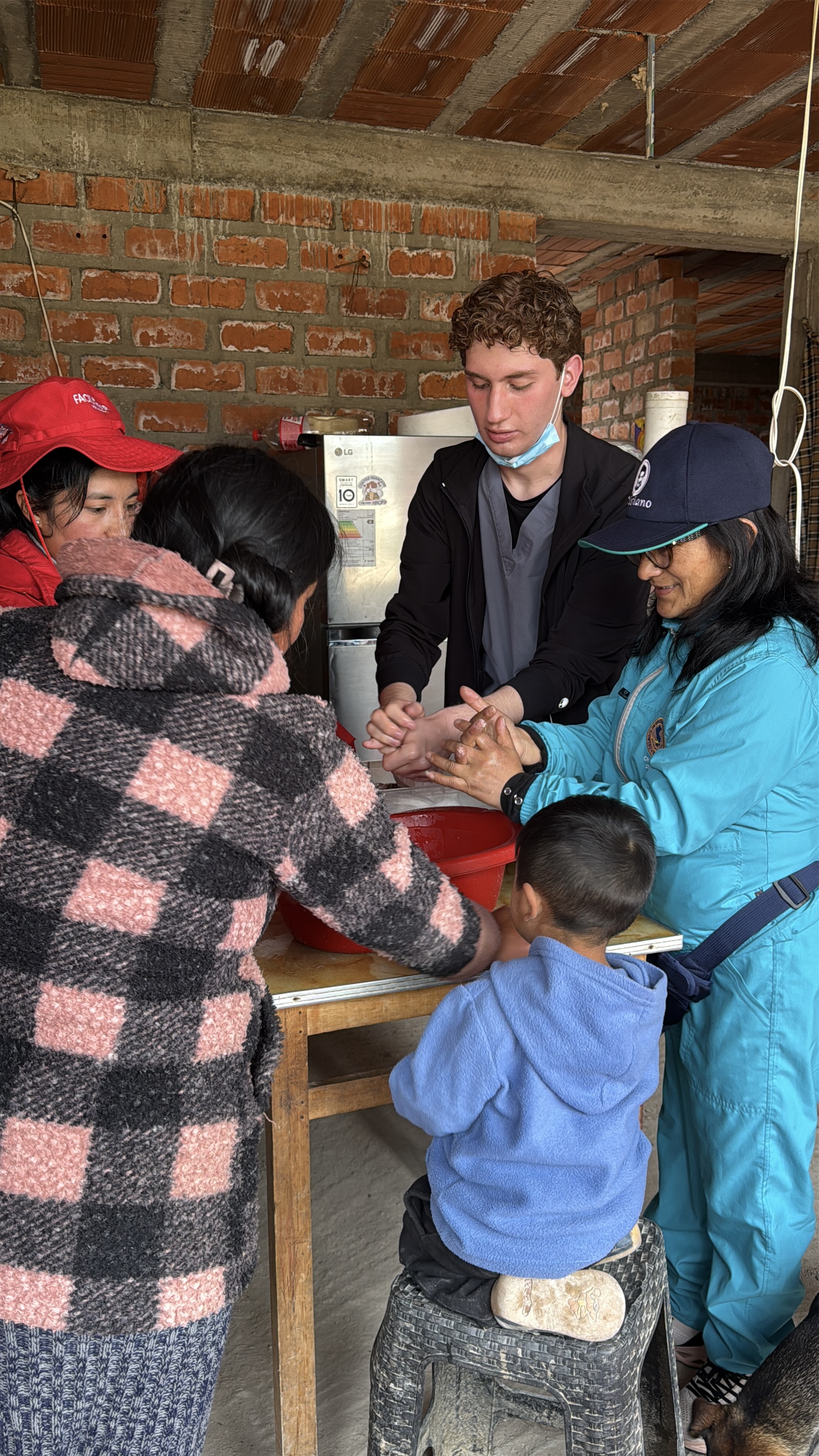
- Peru, Project Huancayo: Community health education, maternal and child health, and preventive care in Andean communities.
- Uganda, Project Bududa: Clinical exposure and public health learning in a rural district
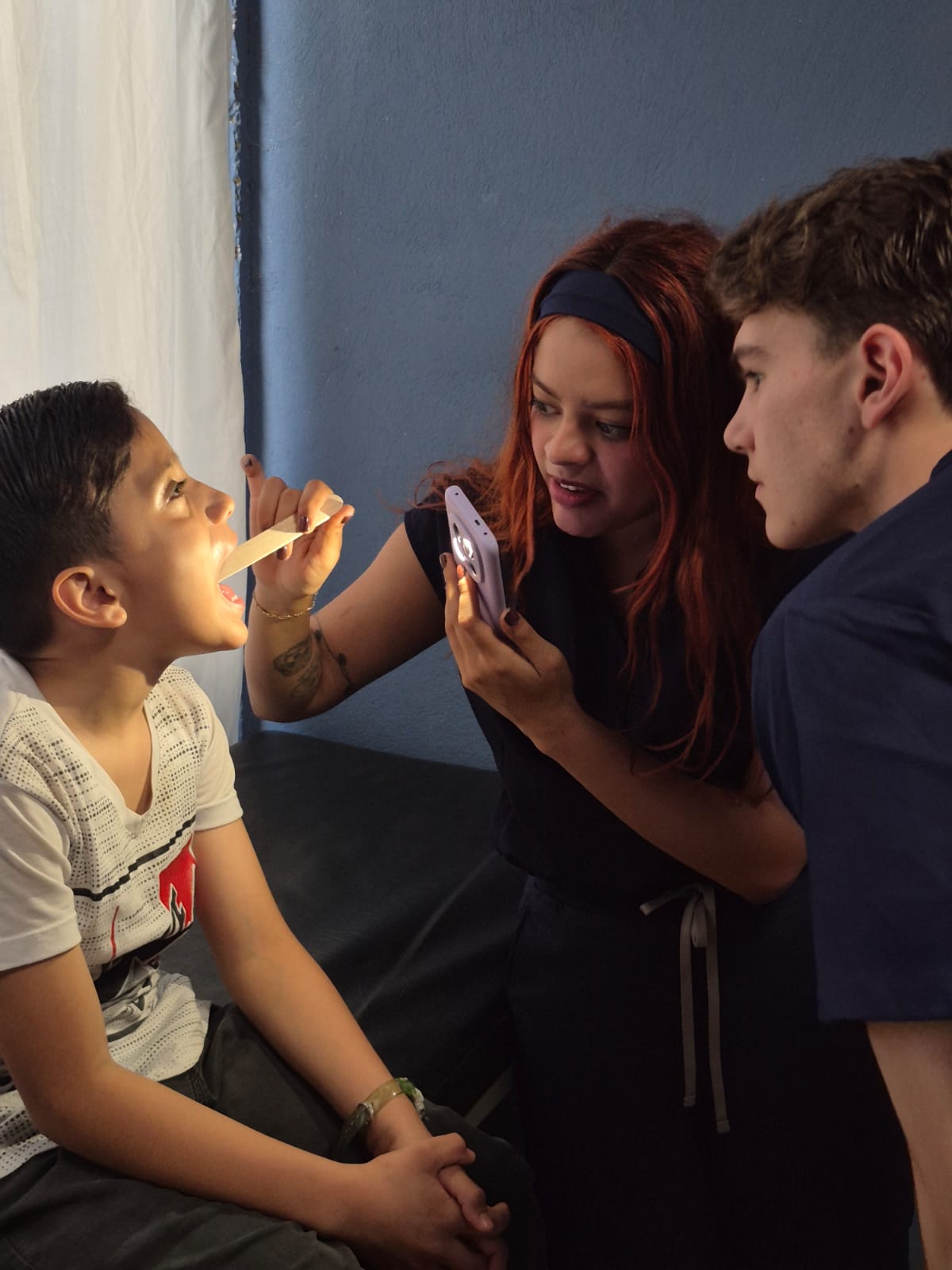
- Costa Rica, Project Alajuelita: Community-based programs addressing both preventive care and access gaps
- Ecuador, Project Anconcito: Health education and outreach in underserved communities
Across all sites, volunteers:
- Support health initiatives
- Learn from local healthcare professionals
- Participate in outreach and education
- Gain insight into health systems and inequities
The focus is not on short-term intervention, but on ethical engagement and long-term community impact.
From Reflection to Real-World Understanding
Ramadan encourages reflection on inequality and compassion for those facing hardship.
In Huancayo, volunteers see children affected by anemia and malnutrition — conditions shaped not by individual choices, but by systemic inequity. In Bududa, fellows observe how a single environmental factor like water quality determines whether a child is in school or in a hospital bed. In Costa Rica and Ecuador, they learn how geography, language, and economic access create invisible barriers between communities and the care they need.
These experiences are not about observation alone. They are about understanding the broader systems that shape health, and the importance of approaching that work with humility.
The SIHF: A Fellowship Built for Future Health Leaders
For those seeking a more academic, in-depth experience, FIMRC offers the Summer International Health Fellowship (SIFH) in Peru and Uganda.
This month-long global health fellowship includes:
- Clinical shadowing with local providers
- Community outreach and health education
- Public health coursework and case discussions
- Focus areas such as nutrition, WASH, oral health, and environmental health
The program is designed for students and early-career professionals who want to understand not just how healthcare is delivered—but why disparities exist and how they can be addressed responsibly.
At its core, SIFH emphasizes learning through relationship, trust, and community engagement.
Carrying The Spirit of Eid Forward
Eid is a time of renewal, connection, and generosity.
For those exploring global health, it can also be a moment to reflect on how those values show up in everyday actions—through service, learning, and meaningful engagement with others.
Whether you are a student, a healthcare professional, or simply someone interested in global health, there are many ways to stay connected to the spirit of Ramadan beyond the month itself.
For some, that journey may include volunteering.
Explore Global Health Opportunities with FIMRC
FIMRC’s programs offer opportunities to engage with communities in Peru, Uganda, Costa Rica, and Ecuador through ethical, community-centered global health work.
If you’re interested in learning more about global health volunteering:
👉 Explore the Global Health Volunteer Program:fimrc.org/ghvp
Want your questions on volunteering abroad answered quicker? Book a quick call with our team!
Stay connected with news and updates!
Join our mailing list to receive the latest news and updates from our team.
Don't worry, your information will not be shared.
We hate SPAM. We will never sell your information, for any reason.
