
Why Blood Donation Matters, A Global Health Perspective
Jun 12, 2026A woman delivers her baby in a rural health post in Bududa. There are complications. She is hemorrhaging. The nearest blood bank is hours away, and even if a vehicle were available right now, the roads make the journey uncertain.
This is not a hypothetical. It is a scenario that plays out across low-resource health systems every day, in communities where the gap between a patient's need and the nearest unit of blood can determine whether they live or die.
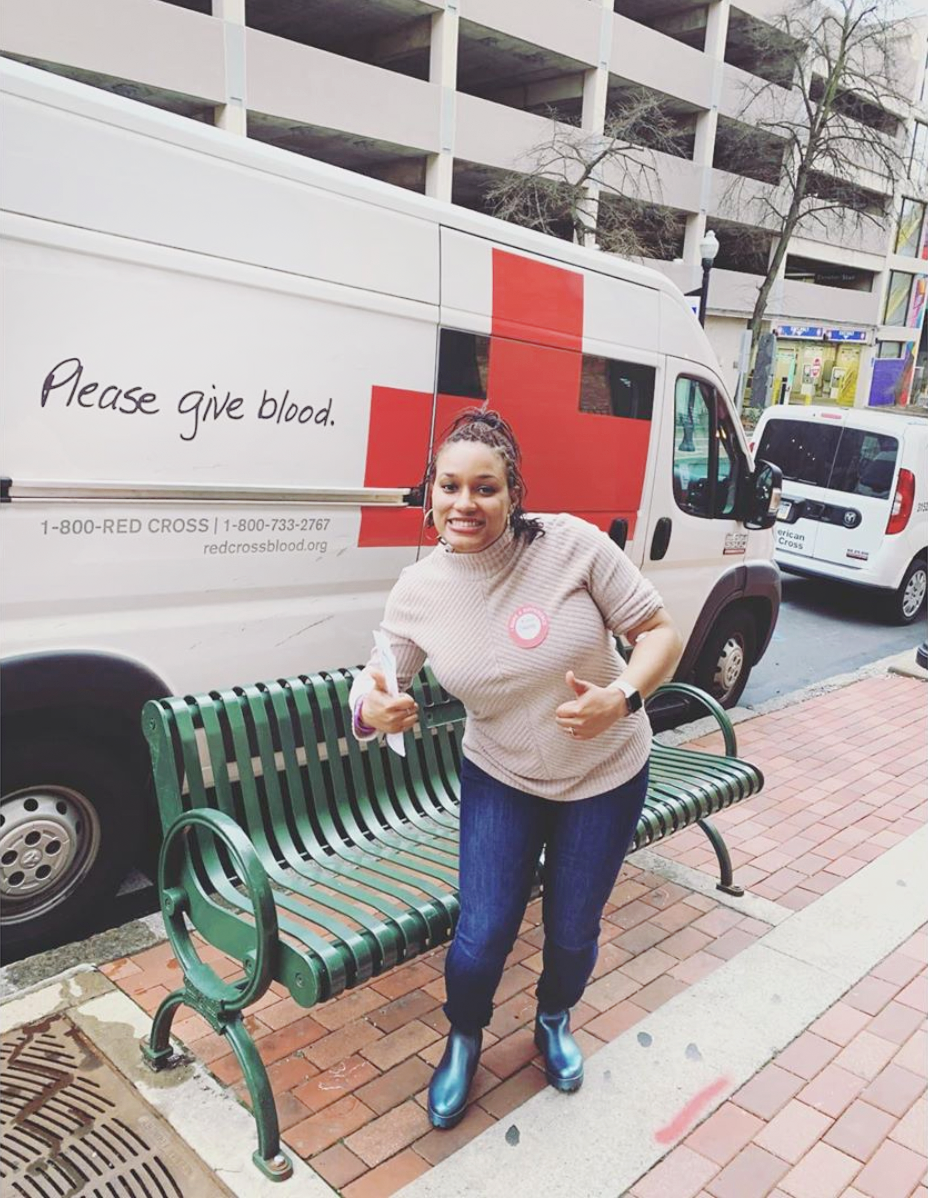
World Blood Donor Day, observed every June 14, exists to honor the millions of voluntary, unpaid blood donors whose generosity saves lives daily, supporting patients through emergencies, childbirth, surgeries, cancer treatment, and the lifelong care of serious conditions. This year's theme, One Drop of Humanity. Give Blood. Save Lives., places solidarity at the center of every donation.
In high-income countries, blood supply is a logistical challenge. In the communities FIMRC serves, it is a matter of survival.
The Geography of Blood Access
Of the 118.5 million blood donations collected globally each year, 40% come from high-income countries that represent only 16% of the world's population. In low-income countries, women and children bear the heaviest cost — blood is critical for treating postpartum hemorrhage, severe childhood anemia, sickle cell disease complications, and trauma.
In Bududa, Uganda, a district where FIMRC operates, rural health posts serve wide geographic areas with skeletal resources. Blood transfusion capacity is limited. Referral to a facility with a functional blood bank takes time that hemorrhaging patients do not always have.
In highland communities around Huancayo, Peru, altitude-related anemia is common, particularly in pregnant women and young children. Severe cases require transfusion. But the path from need to treatment is rarely straightforward.
In Costa Rica and Ecuador, urban-rural divides create invisible barriers: blood banks exist, but access to them is shaped by distance, transport, and economic factors that fall unevenly on the most vulnerable populations.
What FIMRC volunteers encounter, across all four project sites, is a health system doing its best with what it has, and a community bearing the consequences of what it does not.
What Volunteers Observe in the Field
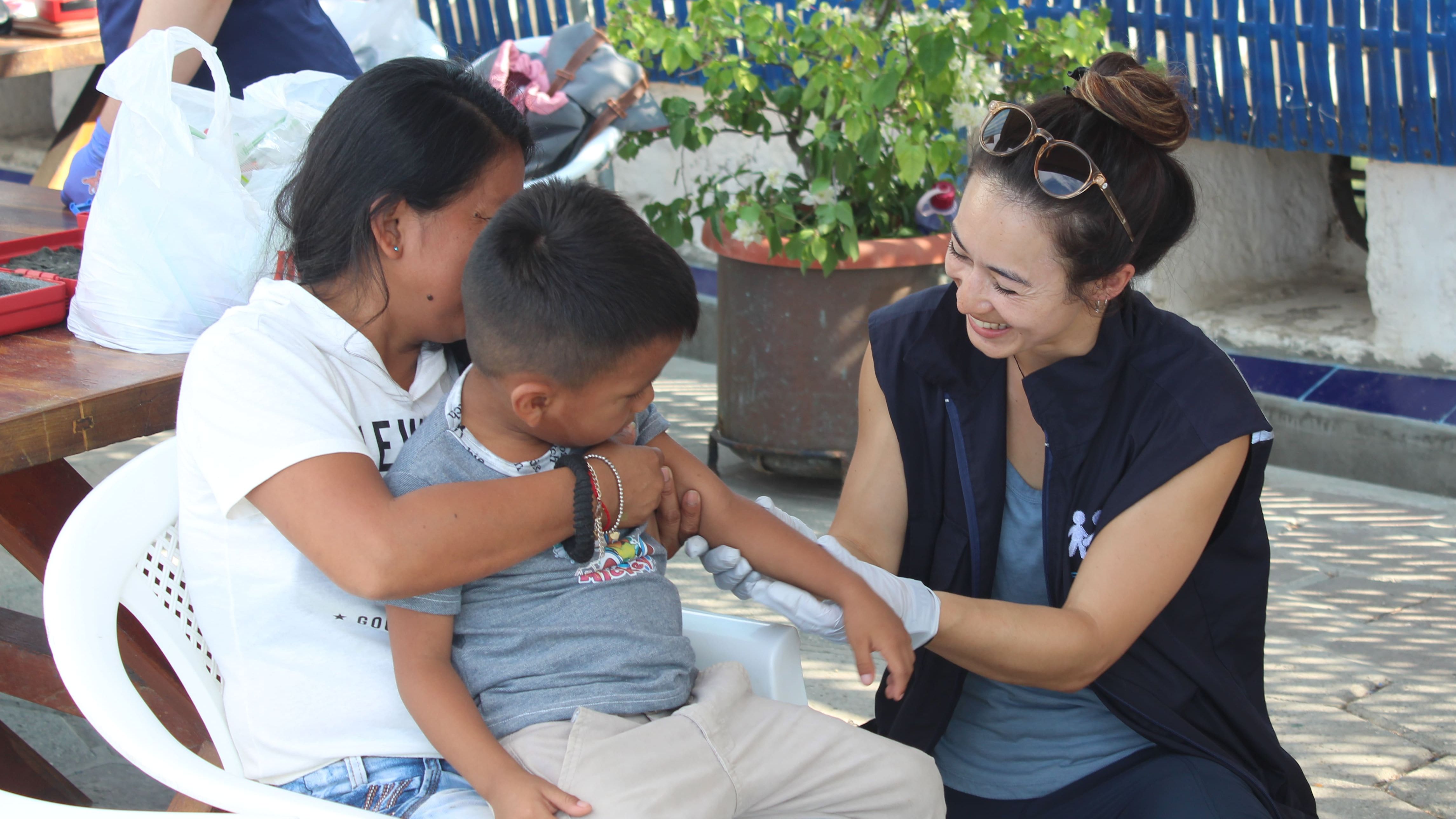
FIMRC's Global Health Volunteer Program (GHVP) places volunteers directly inside communities across Peru, Uganda, Costa Rica, and Ecuador, working alongside local healthcare teams. Blood-related health challenges surface across nearly every area of community health work:
- Maternal health campaigns where postpartum hemorrhage remains a leading cause of preventable death
- Child health screenings revealing anemia rates that reflect both nutritional deficiency and limited transfusion access
- Chronic disease management where conditions like sickle cell disease require regular blood support that rural facilities struggle to provide
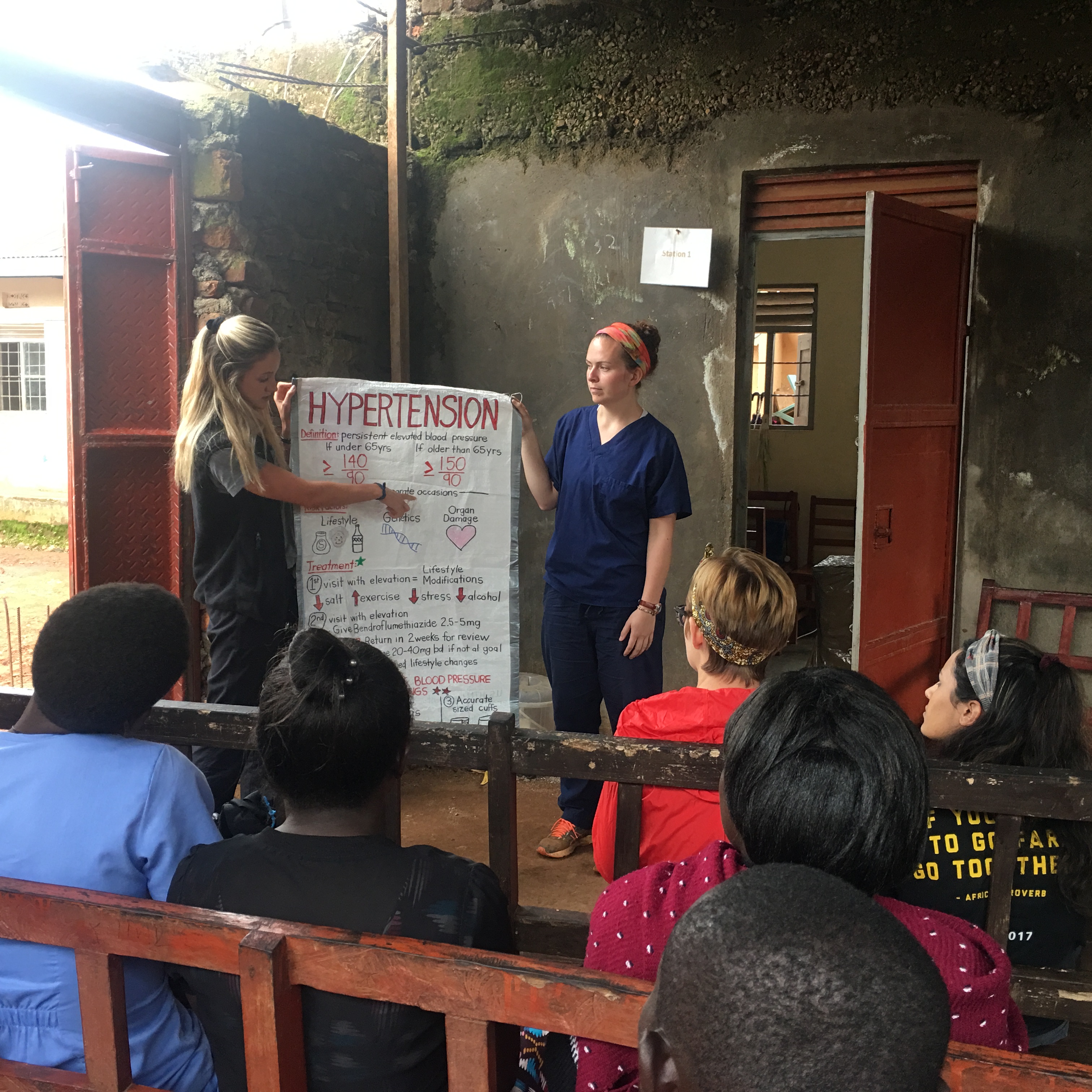
- Health education initiatives that include awareness around voluntary blood donation and its role in community health systems
- Observation of how local clinicians triage, refer, and manage patients when transfusion resources are unavailable
Volunteers do not manage blood banks. But they work within the health system that depends on them, and they see, up close, what happens when the supply falls short.
Why Awareness Is Not Enough
Voluntary, unpaid donations from regular donors are the safest source of blood — yet many countries still rely on family replacement or paid donors. In communities where trust in health institutions is limited, encouraging voluntary donation requires sustained education and cultural engagement. It requires people who know the community, speak its language, and can explain why giving blood matters in terms that resonate locally.
That is work that happens at the community level. Not in policy papers.
FIMRC volunteers become part of the educational ecosystem that makes that community-level work possible, supporting health education campaigns, building trust through consistent presence, and helping local teams reach the families who most need to hear the message.
The Human Side of a Global Health Day
Behind every blood donation statistic is a patient. A mother who made it through delivery because there was blood available when it was needed. A child whose anemia was severe enough to require transfusion and who recovered because a supply chain held together.
And behind every gap in that supply chain is a community that did not have what it needed — not because the science was unknown, but because the infrastructure, the awareness, and the human systems required to close the gap were not yet strong enough.
This World Blood Donor Day, FIMRC volunteers are working in those gaps. Alongside local health teams. Inside communities. Building the trust and delivering the education that makes health systems more resilient, one interaction at a time.
If you are ready to contribute to that work, FIMRC's Global Health Volunteer Program is where it happens.
Learn how you can volunteer with FIMRC
4. FAQ SECTION
👉 What is World Blood Donor Day 2026 about?
World Blood Donor Day 2026, observed on June 14, carries the WHO theme One Drop of Humanity. Give Blood. Save Lives. It honors voluntary, unpaid blood donors and highlights the persistent global gap in safe blood access — particularly in low and middle-income countries where women and children bear the heaviest burden.
👉 Why is blood access a global health issue in low-resource settings?
In high-income countries, blood supply is largely reliable. In low-resource settings, limited blood banks, poor transport infrastructure, and low voluntary donation rates create critical shortages. Postpartum hemorrhage, severe anemia in children, sickle cell disease, and surgical emergencies all require transfusion — and in many communities, that blood simply is not available when needed.
👉 How does volunteering with FIMRC relate to blood donation awareness?
FIMRC volunteers work within community health systems where blood access directly affects patient outcomes. Through health education campaigns, maternal health outreach, and child health screenings, volunteers support the broader ecosystem of awareness and trust-building that makes voluntary blood donation more culturally accepted and accessible in underserved communities.
👉 Can global health volunteers contribute to maternal health initiatives at FIMRC?
Yes. Maternal health is a core pillar of FIMRC's community health work across all four project sites. Volunteers support prenatal and postnatal education, community screenings, home visits, and referral support — all of which intersect directly with blood-related maternal health risks such as postpartum hemorrhage and anemia.
👉 What makes FIMRC's approach to community health education effective in low-resource settings?
FIMRC's model is built on sustained community presence, local partnerships, and culturally grounded health education. Rather than delivering one-time interventions, volunteers and staff build relationships over time — creating the trust that makes health campaigns, including blood donation awareness, genuinely effective.
Want your questions on volunteering abroad answered quicker? Book a quick call with our team!
Stay connected with news and updates!
Join our mailing list to receive the latest news and updates from our team.
Don't worry, your information will not be shared.
We hate SPAM. We will never sell your information, for any reason.
