
Celebrating Independence Through Service This July 4th
Jul 06, 2026In 1736, Benjamin Franklin founded America's first volunteer fire brigade after a ship fire tore through a wharf, warehouses, and neighboring houses in Philadelphia. Twenty-six neighbors signed up. More followed.
That instinct, to organize, to show up, to solve a problem together rather than wait for someone else to fix it — became something larger than a fire department. By the time the Revolutionary War broke out, civilians who could not join the battlefield found another way to fight for independence: raising money, boycotting British goods, and supporting the cause through collective action.
Service has been woven into the American identity since before the country had a flag.
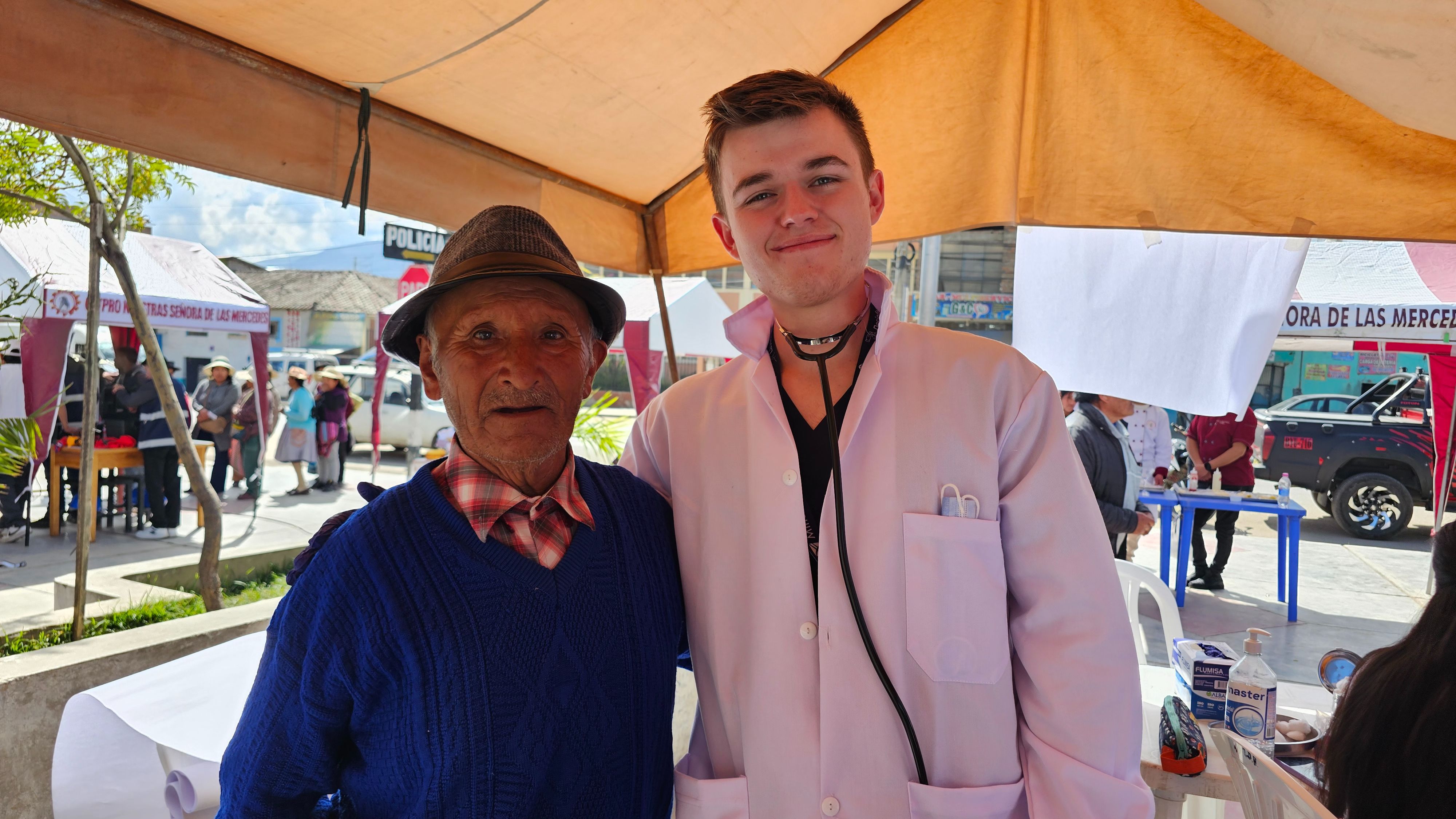
This July 4th, that history is worth remembering, not as a footnote, but as a lens. Because the same impulse that built volunteer fire brigades in colonial Philadelphia is the one that sends pre-med and nursing students to clinics in Huancayo, Peru, today.
A Civic Tradition Unlike Any Other
When the French political scientist Alexis de Tocqueville toured the United States in 1831, he was struck by something he had not seen elsewhere: ordinary citizens who, upon forming an opinion or identifying a need, simply organized and acted on it together. He considered it foundational to American democracy itself.
The data still bears this out. This commitment to volunteerism has remained a hallmark of American civic life since the country's founding, and research shows Americans are 15% more likely to volunteer than the Dutch, 21% more likely than the Swiss, and 32% more likely than Germans.
Through the Civil War, caring for the wounded and meeting the public health needs of soldiers depended almost entirely on volunteer organizations like the United States Sanitary Commission. Through the social reform movements of the 1800s, volunteerism gave women and young people their first formal entry into civic life, leading to the founding of institutions like the YMCA, the American Red Cross, and the United Way.
Independence, as it turns out, was never just about a single declaration. It was about what citizens chose to build with the freedom they secured.
Why Students Choose to Serve Abroad
Every summer, a new generation of students extends that tradition past national borders.
For pre-med, nursing, and public health students, volunteering abroad is rarely just resume-building. It is often the first moment a student tests whether healthcare is truly the path they want — before years of study and tuition lock them in. It is the first time many students see firsthand how geography, infrastructure, and policy shape who gets access to care and who does not.
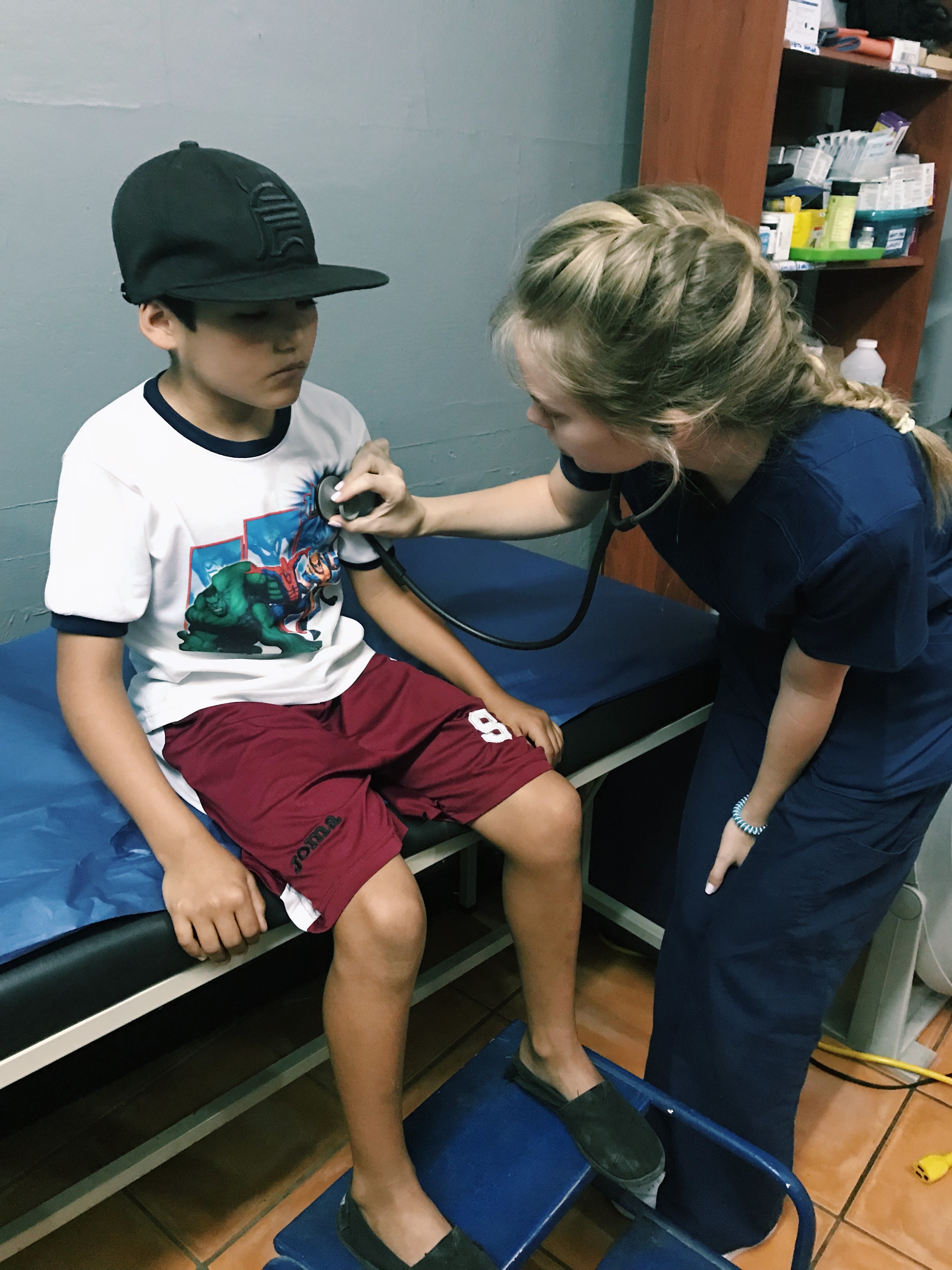
FIMRC's Global Health Volunteer Program (GHVP) places students directly inside community health settings in Huancayo, Peru, Costa Rica, and Ecuador, working alongside local healthcare teams on real patient care, community health screenings, maternal and child health outreach, and public health education. No prior medical experience is required. What is required is curiosity, humility, and the willingness to learn by doing.
This is service in the same spirit Tocqueville observed nearly two centuries ago, citizens identifying a need and organizing to meet it, simply extended to a global scale.
Service That Builds Stronger Communities, Locally and Globally
There is a myth that volunteering abroad somehow competes with serving at home. It does not.
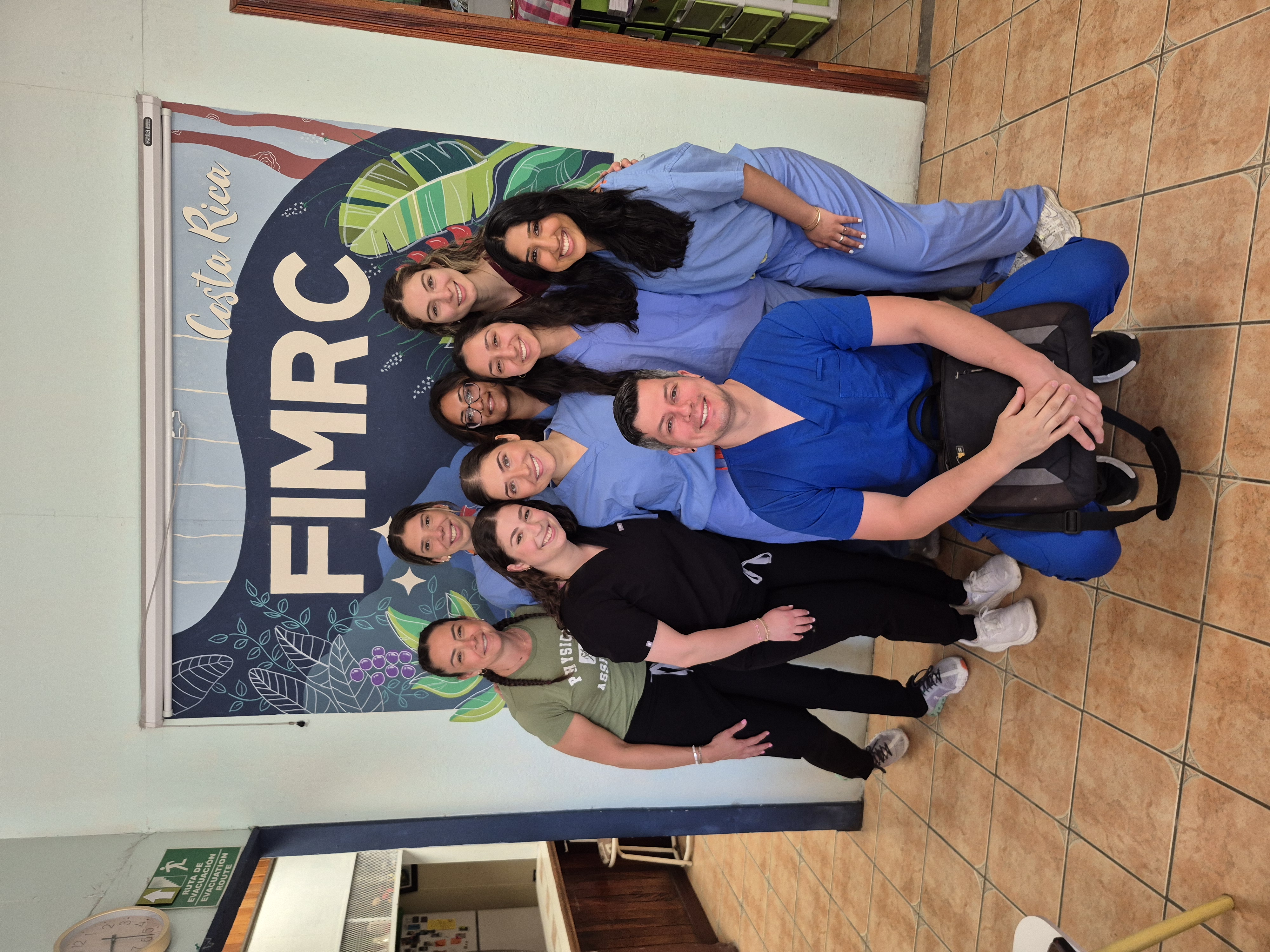
The same students who spend a week supporting clinics in Costa Rica often return to their own communities with sharper instincts for public health, deeper cultural humility, and a clearer sense of purpose, qualities that make them better neighbors, better future clinicians, and better civic participants wherever they live.
Volunteer participation in America has always increased during moments of social and political importance — driven by a mix of altruism, commitment to public issues, and personal growth. Choosing to volunteer abroad fits squarely within that tradition. It is not a departure from American civic values. It is an expression of them, applied to a wider world.
This Independence Day, Ask What You Are Building
July 4th asks Americans to reflect on freedom. But freedom has always come paired with responsibility, the responsibility to use what you have toward something larger than yourself.
Benjamin Franklin understood that in 1736. The volunteers of the Sanitary Commission understood it during the Civil War. Today's pre-med and nursing students understand it when they choose to spend their summer in a clinic in Huancayo instead of on a beach.
If you are ready to carry that tradition forward, this Independence Day is a good place to start.
FAQ SECTION
👉 What is the history of volunteerism in the United States?
Volunteerism in America dates back to 1736, when Benjamin Franklin founded the country's first volunteer fire brigade. The tradition deepened during the Revolutionary War, the Civil War, and the social reform movements of the 1800s, eventually shaping institutions like the American Red Cross and the YMCA. Researchers have long noted that Americans volunteer at significantly higher rates than citizens of many other developed nations.
👉 Why do pre-med and nursing students volunteer abroad before applying to medical or nursing school?
Volunteering abroad gives students early, hands-on exposure to clinical and public health settings before committing years of study and tuition to a healthcare career. It helps students confirm their interest in medicine, build practical skills, and gain meaningful experience that admissions committees value — all while contributing to underserved communities.
👉 Does volunteering abroad take away from service opportunities at home?
No. Volunteering abroad and serving locally are not competing priorities. Many students who volunteer internationally return with stronger public health instincts, deeper cultural humility, and renewed civic engagement in their own communities — making international service a complement to, not a substitute for, local involvement.
👉 What does FIMRC's Global Health Volunteer Program involve?
The GHVP places volunteers directly inside community health settings in Peru, Costa Rica, and Ecuador, working alongside local healthcare professionals on clinical support, community health screenings, maternal and child health outreach, and public health education. No prior medical experience is required.
👉 Is FIMRC currently operating in Uganda?
FIMRC's Bududa, Uganda project site is currently paused due to a regional Ebola outbreak response. The organization continues to operate active Global Health Volunteer Program sites in Peru, Costa Rica, and Ecuador, with updates on Uganda's program status available directly through FIMRC.
Want your questions on volunteering abroad answered quicker? Book a quick call with our team!
Stay connected with news and updates!
Join our mailing list to receive the latest news and updates from our team.
Don't worry, your information will not be shared.
We hate SPAM. We will never sell your information, for any reason.
