
Hepatitis Can't Wait and Neither Can the Communities FIMRC Serves
Jul 24, 2026Every 30 seconds, someone in the world dies from complications related to chronic hepatitis — including cirrhosis and liver cancer.
Not because the tools to prevent it do not exist. Effective vaccines, accurate diagnostics, curative treatments for hepatitis C, and long-term therapies for hepatitis B are already available and proven.
People are dying because they cannot access them.
World Hepatitis Day 2026, observed every July 28, carries the theme Hepatitis: Let's Break It Down, a call to dismantle the financial, social, and systemic barriers, including stigma, that stand in the way of hepatitis elimination and liver cancer prevention. It is a theme that describes, with precision, the daily reality of community health work in the settings where FIMRC operates.
Breaking down barriers is not a metaphor here. It is the job.
A Disease That Hides in Plain Sight
Hepatitis is a silent epidemic, with many people unaware they are living with the virus until it causes severe health issues like liver cirrhosis or cancer. Nearly 354 million people globally are affected by hepatitis B or C, and hundreds of thousands of lives are lost each year.
The silence is the problem. In high-income settings, routine blood tests catch hepatitis before it progresses. Patients are linked to treatment. The disease is managed.
Strip away that infrastructure, the routine screening, the accessible labs, the affordable antivirals, and the silence becomes fatal. A person living with hepatitis B in a rural community in Peru may carry the virus for decades without knowing it. By the time symptoms appear, the liver damage is already serious.
PAHO's urgent call on World Hepatitis Day 2026 is to break down the barriers that prevent access to testing and treatment, and to accelerate political action to eliminate hepatitis as a public health threat by 2030. But political action does not reach families in Anconcito or highland communities in Huancayo. Community health workers do.
What the Barriers Actually Look Like
The 2026 campaign calls for turning proven science into action through stronger political commitment, sustained investment, and efforts to expand equitable access to prevention, testing, treatment, and care.
In the communities FIMRC serves across Peru, Costa Rica, and Ecuador, those barriers have faces and names.
A family that has never been told what hepatitis is or how it spreads. A rural clinic that offers testing but lacks the follow-up capacity to link patients to treatment. A community where stigma around liver disease keeps people from seeking care until symptoms force their hand. A health education system that has not yet reached the households where hepatitis transmission is most likely to occur.
These are not gaps that a global health report closes. They close through presence. Through sustained community health work that educates, screens, refers, and follows up, over months and years, not a single health fair afternoon.
Where FIMRC Volunteers Work Within This
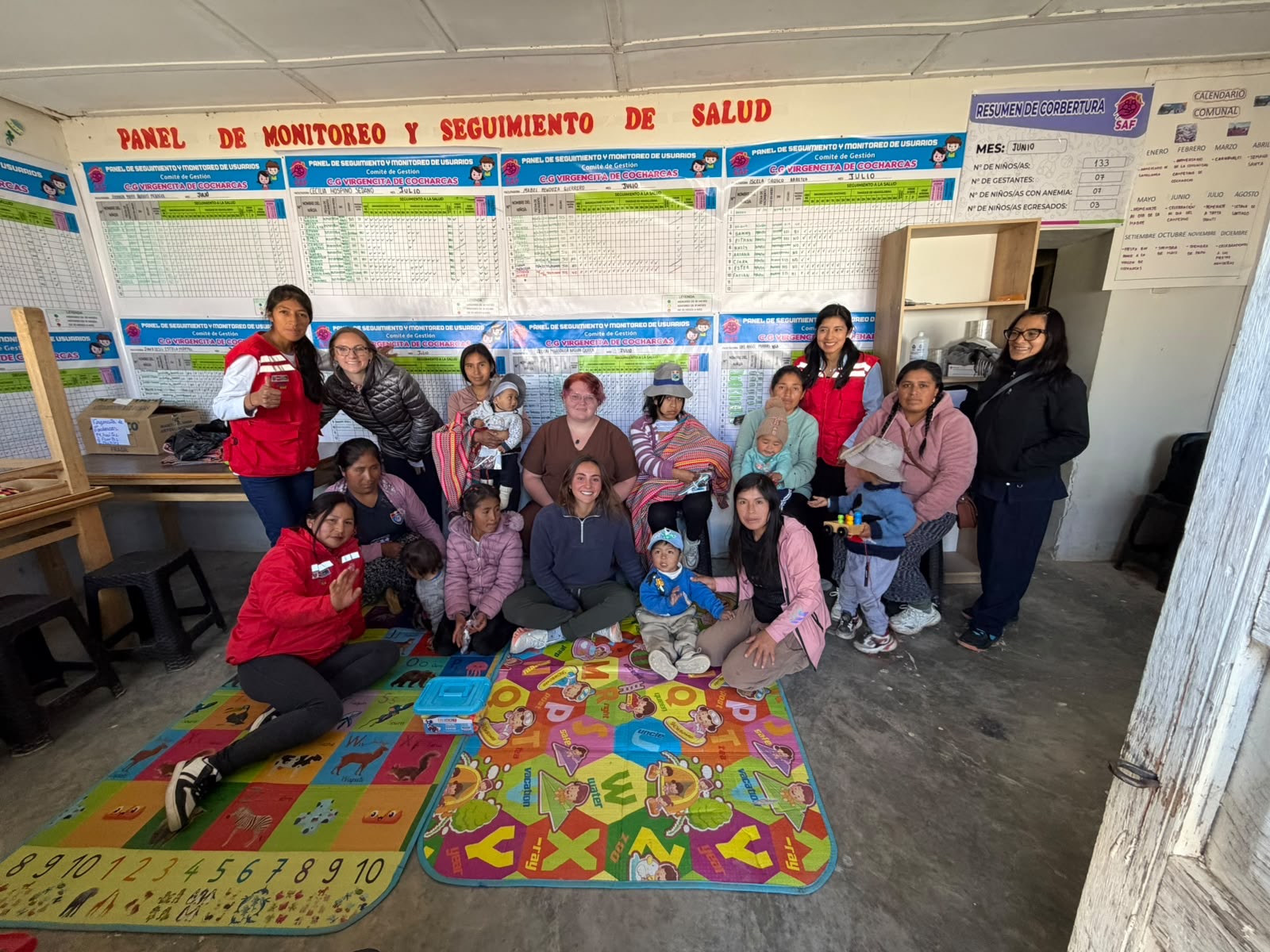
FIMRC's Global Health Volunteer Program (GHVP) places volunteers directly inside community health settings across Peru, Costa Rica, and Ecuador, working alongside local healthcare teams on the kind of frontline health work that reaches people before — and after — the clinic does.
In the context of hepatitis prevention and awareness, that includes:
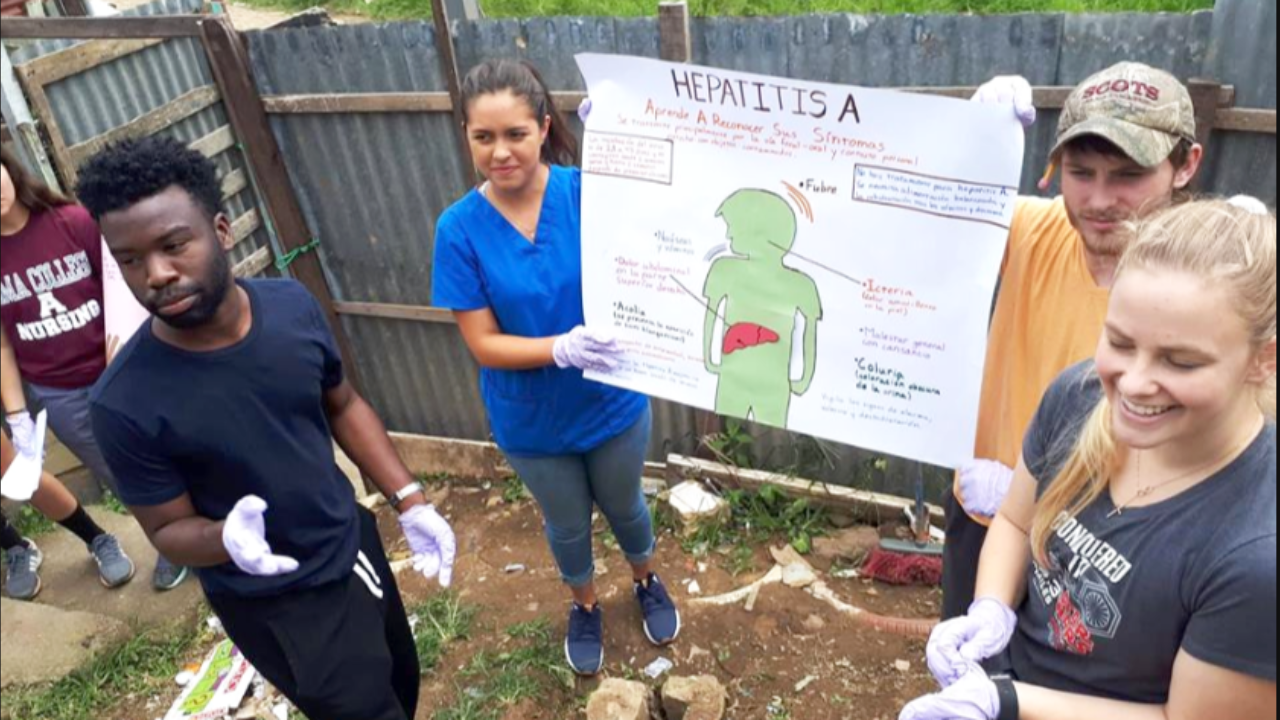
- Health education workshops that demystify hepatitis transmission, prevention, and the importance of early testing
- Community outreach in neighborhoods where routine healthcare access is limited and health literacy is low
- Support for screening campaigns that bring testing closer to the families who need it
- Referral support that helps community members navigate health systems that can feel inaccessible or unfamiliar
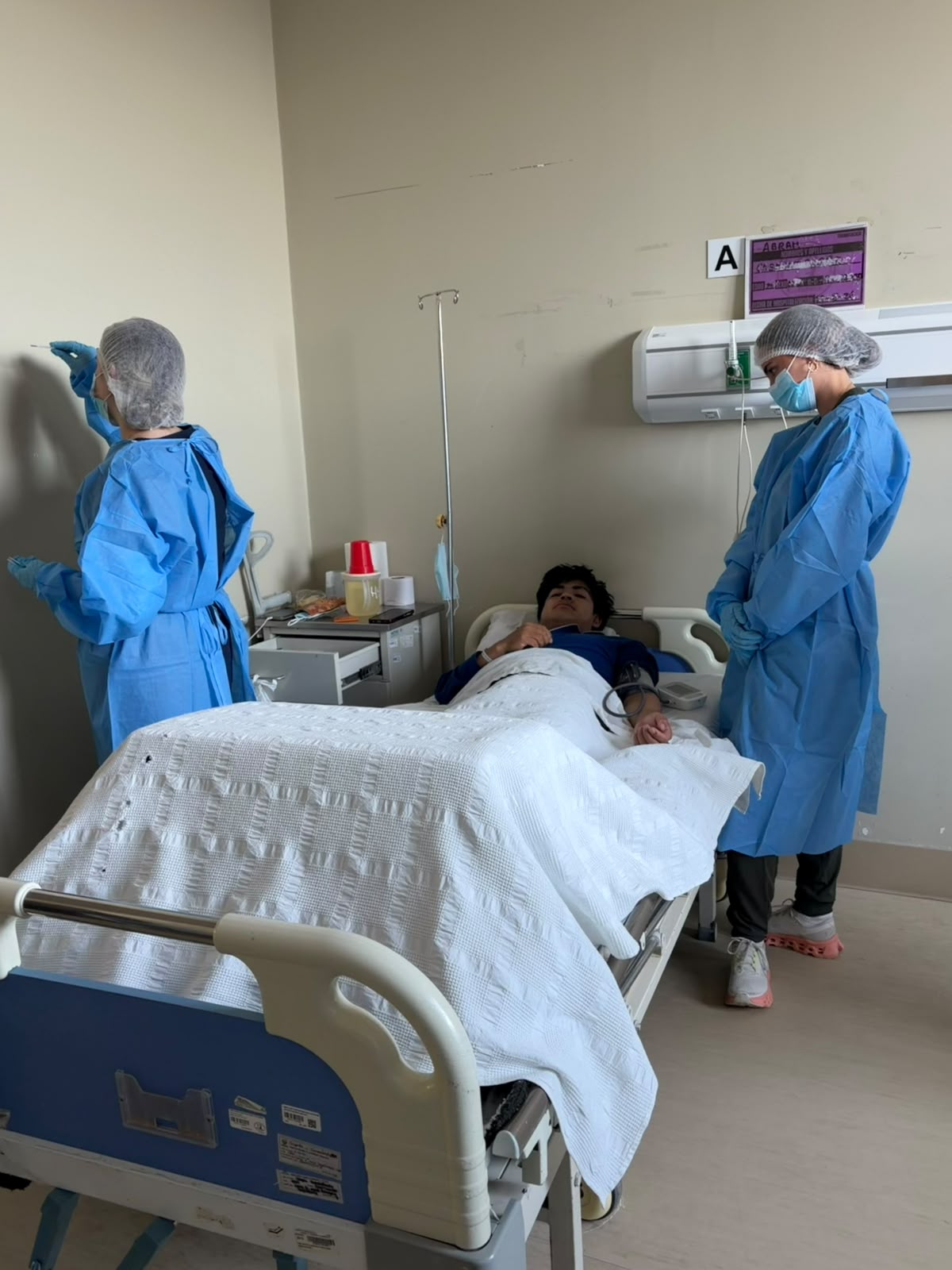
- Observation of how local clinicians manage chronic liver conditions in low-resource environments where treatment options are constrained
None of this replaces the vaccines, the diagnostics, or the antivirals. But none of those tools work without the community trust and education that makes people willing to seek them out.
What Volunteers Carry Back
For pre-med, nursing, and public health students, World Hepatitis Day surfaces a question worth sitting with: what does it mean to have a cure for a disease that people are still dying from?
The answer is not clinical. It is systemic. It is about the distance between what medicine has achieved and what communities can actually access, a gap that is shaped by poverty, geography, health literacy, stigma, and political will.
Volunteers who work in FIMRC's project sites encounter that gap directly. They see what it looks like when a liver disease that is curable in one country is a death sentence in another, not because of biology, but because of circumstance. That understanding shapes careers. It shapes the kind of clinician, researcher, or public health professional a person becomes.
Let's Break It Down — Starting Here
The WHO's theme for 2026 is a challenge as much as a campaign.
Breaking down barriers to hepatitis elimination requires global political will. It also requires people willing to work in the communities where those barriers are most real, doing the patient, relationship-based health education and outreach that no policy can substitute.
If you are a student or healthcare professional ready to understand global health from the inside, and to contribute to communities where that work is most needed, this is where it begins.
FAQ SECTION
What is World Hepatitis Day 2026 about?
World Hepatitis Day is observed every July 28 — the birthday of Dr. Baruch Blumberg, who discovered the hepatitis B virus and developed its first vaccine. The 2026 theme, Hepatitis: Let's Break It Down, calls for dismantling the financial, social, and systemic barriers — including stigma — that prevent access to hepatitis prevention, testing, and treatment, with the goal of eliminating hepatitis as a public health threat by 2030.
How many people are affected by hepatitis globally?
Nearly 354 million people live with hepatitis B or C globally. Despite the availability of vaccines for hepatitis A and B, a cure for hepatitis C, and effective long-term therapies for hepatitis B, the vast majority of those affected lack access to testing and treatment. Every 30 seconds, someone dies from hepatitis-related complications including cirrhosis and liver cancer.
Why is hepatitis a particular challenge in low-resource communities?
In low-resource settings, routine screening is rare, treatment access is limited, and stigma often prevents people from seeking care. Many people carry the virus for years without knowing it, and by the time symptoms appear, liver damage is already advanced. Community health education and outreach are essential for closing the gap between available medical tools and the people who need them.
How do FIMRC volunteers contribute to hepatitis awareness and prevention?
FIMRC volunteers work alongside local health teams in Peru, Costa Rica, and Ecuador on health education campaigns, community outreach, and screening support — building the community trust and health literacy that makes hepatitis prevention effective. Volunteers also observe how local clinicians manage chronic liver conditions in resource-limited settings, gaining clinical and systems-level insight that shapes their future practice.
What is the goal for hepatitis elimination and is it achievable?
The WHO has set a target of eliminating viral hepatitis as a public health threat by 2030. The tools to achieve this goal — vaccines, diagnostics, and treatments — already exist. The primary obstacles are access, funding, political commitment, and community-level health education. Progress is possible, but it requires sustained action at every level of the health system.
Want your questions on volunteering abroad answered quicker? Book a quick call with our team!
Stay connected with news and updates!
Join our mailing list to receive the latest news and updates from our team.
Don't worry, your information will not be shared.
We hate SPAM. We will never sell your information, for any reason.
