
Unmasking Tobacco's Appeal: Global Health Work on the Frontline
May 29, 2026In Uganda, youth smoking prevalence sits at 5.7%. In Peru, e-cigarette use among adolescents has shown a significant increase in recent years. In Costa Rica and Ecuador, flavored nicotine products are moving fast through markets that were not ready to regulate them.
Behind every one of those numbers is a teenager who was targeted before they had the vocabulary to recognize it.
The WHO's theme for World No Tobacco Day 2026 — Unmasking the Appeal: Countering Nicotine and Tobacco Addiction — focuses on exactly this: how tobacco and nicotine industries continue to target children and adolescents through e-cigarettes, nicotine pouches, and synthetic nicotine designed to look modern, safe, and appealing. Fifteen million adolescents aged 13 to 15 worldwide already use e-cigarettes. Adolescents are, on average, nine times more likely to vape than adults.
These are not accidental outcomes. They are the result of deliberate strategy.
And countering that strategy requires people on the ground — in schools, in homes, in communities — doing the kind of sustained health education that no policy alone can replace.
The Industry Gets There First
The tobacco and nicotine industry understood something long before public health did: addiction is easier to prevent than to break.
So they went early. Candy flavors. Social media campaigns. Products designed to be discreet enough to use in a classroom. By the time a young person in Bududa or Huancayo encounters a formal health education message about tobacco, they may have already been exposed to years of the other kind.
In Uganda, youth use tobacco at almost three times the rate of adults, with those in slum areas showing even higher prevalence. Strict laws regulating public tobacco use have been in place since 2015 — and yet they have not led to a significant decline in tobacco consumption among youth in those communities.
Legislation matters. But it is not enough without the human layer underneath it.
Where FIMRC Volunteers Come In
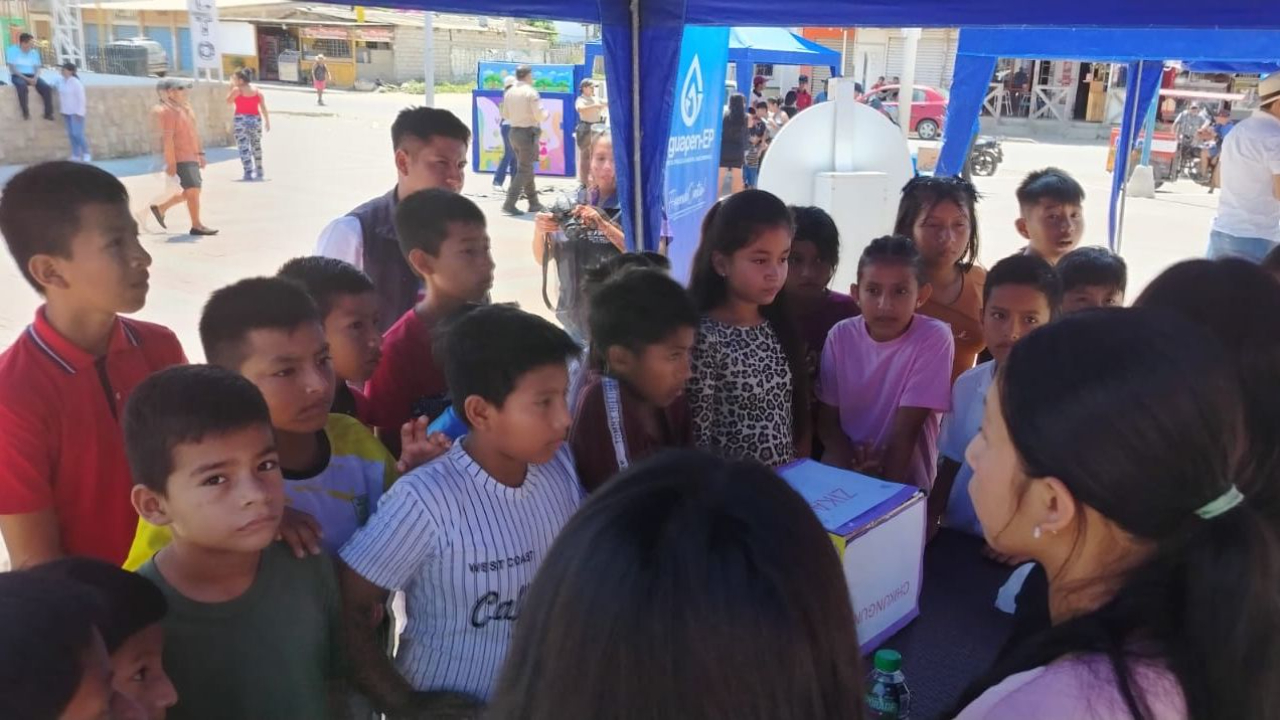
FIMRC's Global Health Volunteer Program (GHVP) places volunteers directly inside communities across Peru, Uganda, Costa Rica, and Ecuador — working alongside local healthcare teams on the kind of frontline health education that reaches people before the industry does.
In the context of tobacco prevention, that work includes:
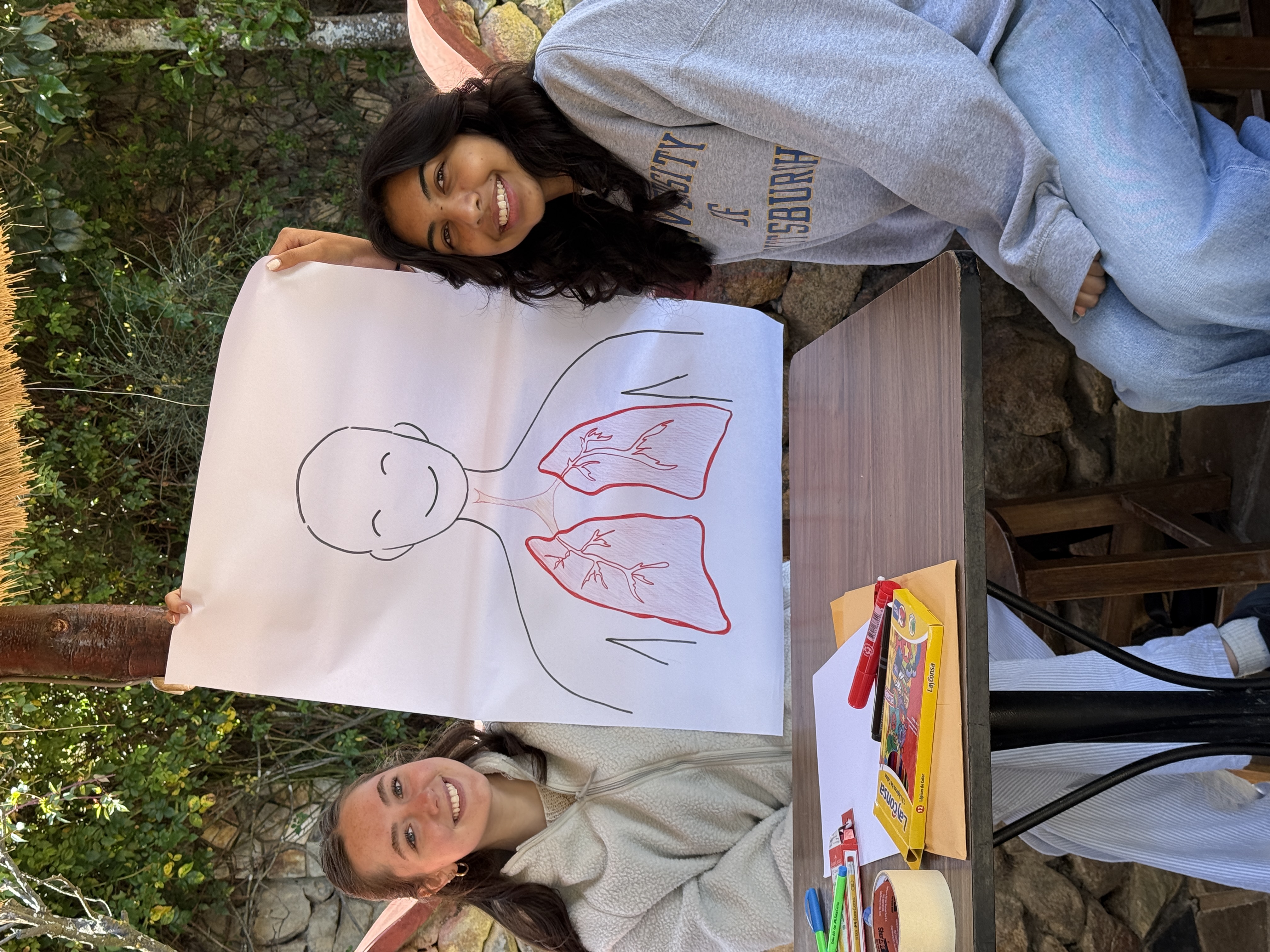
- Health education workshops in schools and community centers on the risks of tobacco, e-cigarettes, and nicotine products, including the ones marketed as safe
- Community outreach campaigns targeting adolescents and young adults in high-risk neighborhoods
- Support for local health workers delivering cessation resources and behavioral change guidance to adults already addicted
- Observation of how chronic tobacco-related conditions — respiratory disease, cardiovascular damage, oral cancer, present in low-resource clinical settings
- Participation in preventive care initiatives that address tobacco as a driver of non-communicable disease burden
Among the 8 million deaths linked to tobacco smoking annually, 80% occur in low and middle-income countries. The communities FIMRC serves sit squarely inside that statistic. Which means the volunteers who show up to do this work are not filling a gap at the margins.
They are working at the center of the problem.
What Prevention Actually Looks Like
It does not start with a pamphlet.
It starts with a volunteer sitting across from a group of teenagers in a community center in Huancayo, asking what they know about vaping — and listening to the answer before saying anything. It starts with a health worker in Bududa who knows which families have fathers who smoke and which children are already experimenting. It starts with trust.
That trust is not given. It is built through presence, consistency, and the kind of culturally grounded communication that outsiders can support but communities must own.
FIMRC volunteers learn quickly that effective tobacco prevention is not about delivering information. It is about creating the conditions in which that information actually lands.
The Clinical Reality Behind the Campaign
For pre-med students, nursing students, and public health majors, World No Tobacco Day is also an opportunity to connect tobacco use to its full clinical burden.
Working across FIMRC's four project sites, volunteers observe what chronic tobacco use looks like when it progresses without adequate healthcare access: respiratory conditions managed with minimal equipment, cardiovascular events in patients who never had a risk assessment, oral cancers identified late in communities without routine dental care.
These are not distant outcomes. They are present realities in the communities volunteers serve, and seeing them firsthand changes how future clinicians understand the relationship between upstream prevention and downstream care.
This May 31, Do More Than Observe
Awareness is the starting point, not the destination.
The communities FIMRC serves need consistent, trusted health education delivered by people who show up, not once, but regularly. If you are a healthcare student or professional ready to contribute to non-communicable disease prevention while developing real global health competency, FIMRC's Global Health Volunteer Program is where that work happens.
Learn more about volunteering with FIMRC here
4. FAQ SECTION
👉 What is World No Tobacco Day 2026 about?
World No Tobacco Day 2026, observed on May 31, carries the WHO theme Unmasking the Appeal: Countering Nicotine and Tobacco Addiction. It focuses on how tobacco and nicotine industries target young people through flavored products, digital marketing, and misleading messaging, and calls for stronger policies and community-level action to counter addiction before it starts.
👉 How does tobacco use affect communities in low-income countries?
The burden is disproportionate. Of the 8 million annual deaths linked to tobacco, 80% occur in low and middle-income countries. In these settings, limited access to healthcare means tobacco-related conditions, respiratory disease, cardiovascular damage, oral cancers — are often detected late and managed with inadequate resources.
👉 What do global health volunteers do in tobacco prevention programs?
FIMRC volunteers support health education workshops, community outreach campaigns, and cessation programs alongside local health teams. They work in schools, homes, and community centers delivering prevention messages to adolescents and adults — and observing how tobacco-related disease manifests in clinical settings with limited infrastructure.
👉 Can pre-med or nursing students volunteer in tobacco prevention with FIMRC?
Yes. FIMRC's GHVP is designed for students across healthcare disciplines. Volunteers work in supervised community settings alongside local professionals, gaining exposure to non-communicable disease prevention, health education, and the social determinants that shape tobacco use in low-resource communities.
👉 Why is youth tobacco prevention especially urgent in Sub-Saharan Africa and Latin America?
Both regions are experiencing rising rates of tobacco and nicotine product use among young people, driven by aggressive industry marketing and limited regulatory frameworks. In Uganda, youth use tobacco at nearly three times the adult rate. In Peru, e-cigarette use among adolescents has increased significantly. These trends make early community-based intervention especially critical.
Want your questions on volunteering abroad answered quicker? Book a quick call with our team!
Stay connected with news and updates!
Join our mailing list to receive the latest news and updates from our team.
Don't worry, your information will not be shared.
We hate SPAM. We will never sell your information, for any reason.
