
World Suicide Prevention Day 2026: What Community Health Looks Like in Anconcito
Sep 10, 2026Prevention does not begin with an emergency.
It begins with a conversation a family member feels safe enough to have. A Health Promoter who recognizes that someone is struggling before things get worse. A caregiver who understands that their own emotional well-being matters too. A community where asking for psychological support is understood not as weakness, but as an ordinary part of taking care of one's health.
World Suicide Prevention Day, observed every September 10, is a reminder that awareness alone is not enough. In Anconcito, Ecuador — and across every community where FIMRC works, the real work of prevention happens quietly, consistently, and long before a crisis arrives.
A Fishing Community and a Free Psychological Care Program
Anconcito is a close-knit fishing community on Ecuador's coast. FIMRC has worked alongside its families for years through health, nutrition, education, and community-based programs. In recent years, mental health has become an increasingly central part of that work.
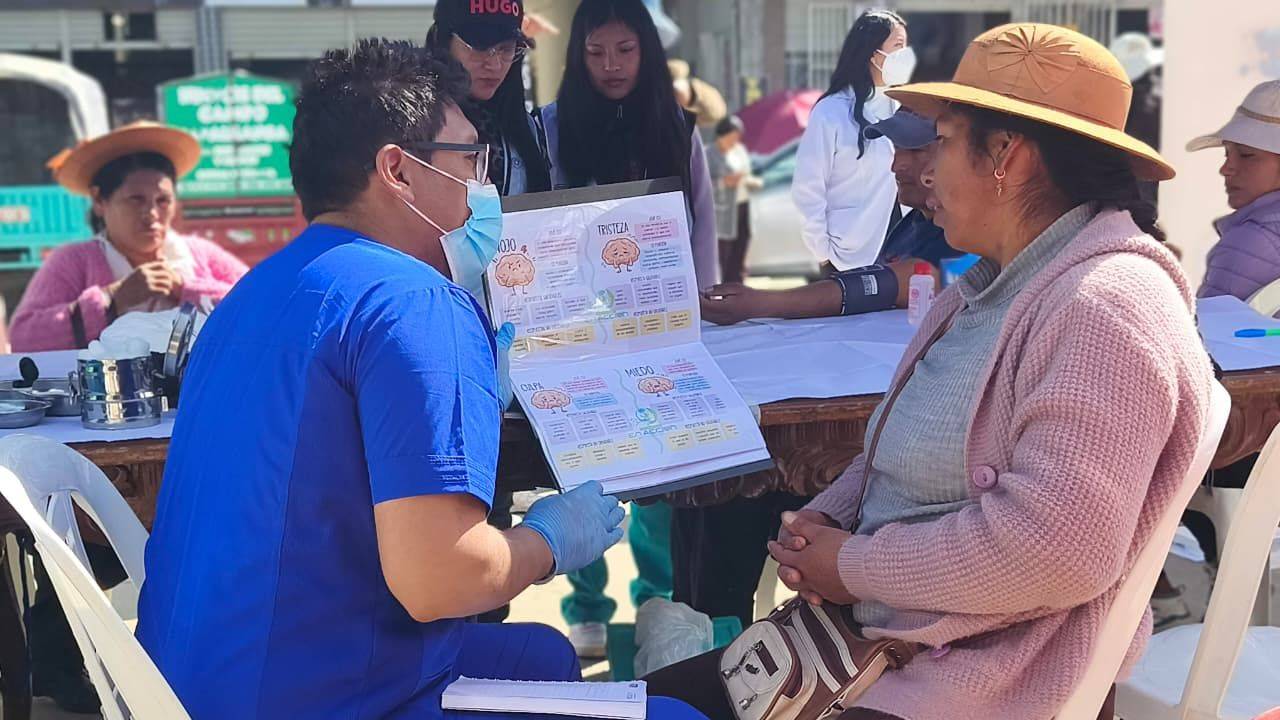
FIMRC Anconcito's Psychological Care Program offers free psychological support to community members. Appointments can be requested through WhatsApp — a deliberately simple access point designed to lower the barrier between a person who needs help and the support that exists for them. The program provides psychological assessment, intervention, and follow-up based on each person's needs. When additional support is required, FIMRC coordinates with local health resources and other professionals, creating pathways for continued care rather than dead ends.
The program was temporarily interrupted during the COVID-19 pandemic. In August 2025, FIMRC reopened the service — a signal, in practice rather than in words, of its commitment to Anconcito's long-term well-being.
One principle guides the entire program: mental health does not affect only the individual. Families and support networks are essential to recovery and prevention, which is why community and family involvement are built into the program wherever appropriate.
Prevention Is Woven Into Everything
Suicide prevention in Anconcito is not a standalone initiative. It is threaded through the community health work that FIMRC already does every day.
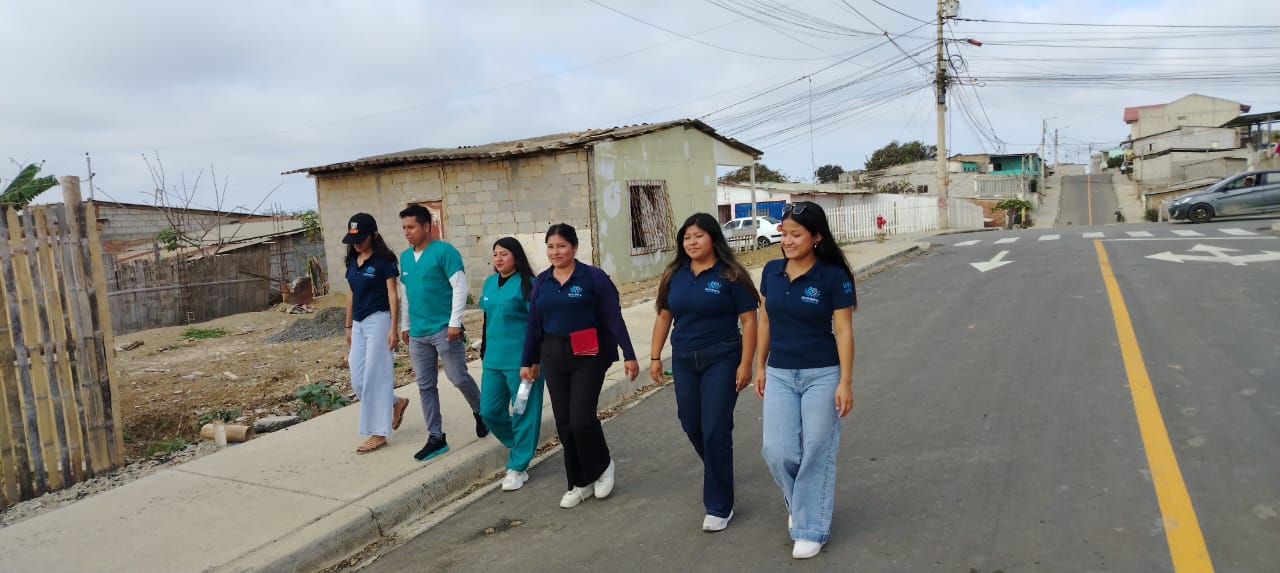
Health Promoters participate in suicide prevention workshops designed to strengthen their understanding of mental health and their capacity to recognize when someone may need support. These are the people who move through the community — who knock on doors, who notice things, who are trusted in ways that a clinic appointment cannot replicate.
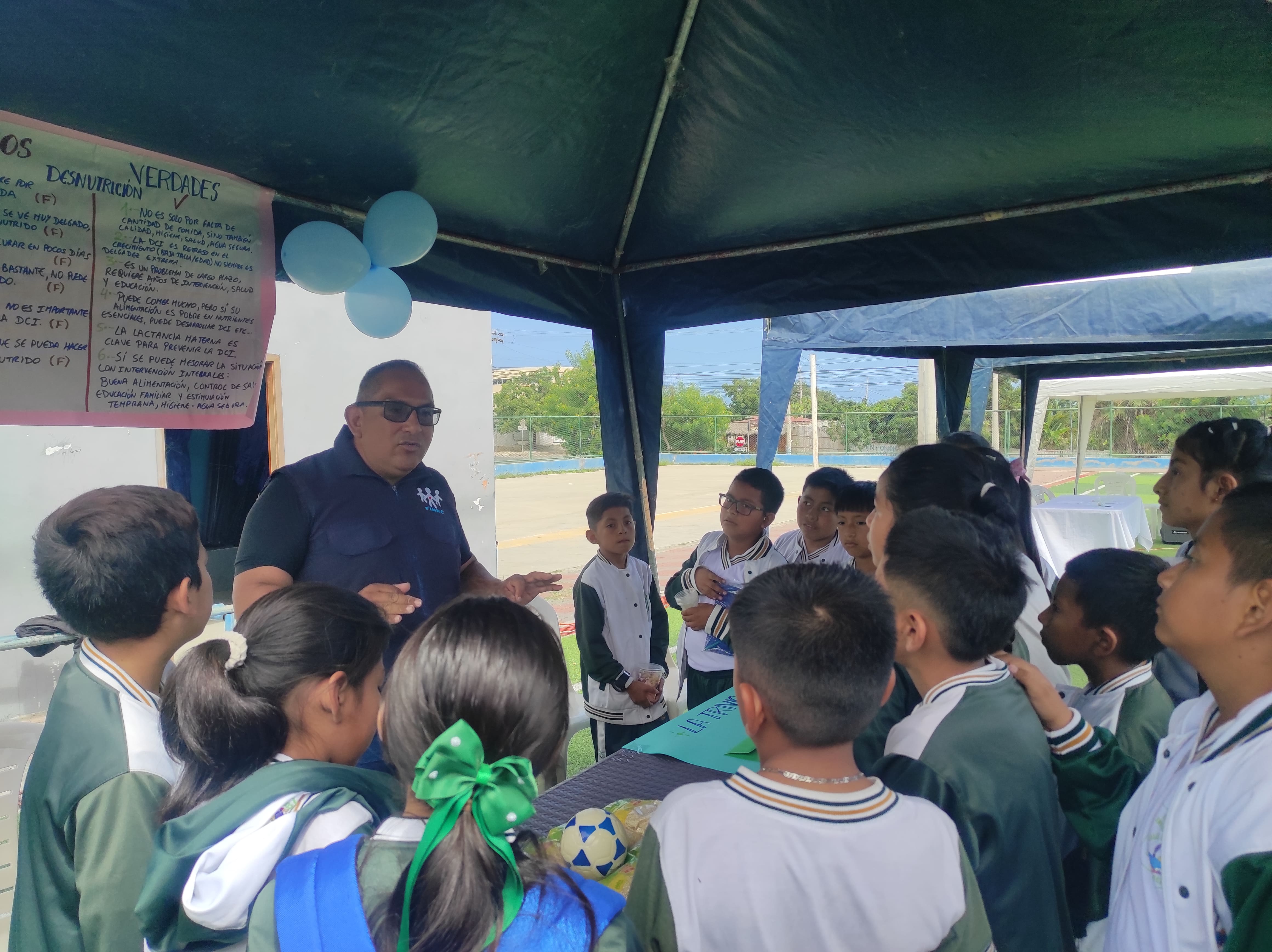
Mental health education has also been integrated into programs that might not seem related at first glance. Participants in Diabetes and Hypertension Clubs receive information about mental health alongside their chronic disease management. Families in the Nutrition Program are made aware of psychological support resources. Caregivers of people with disabilities receive dedicated sessions — because community health that attends only to patients and ignores the people caring for them is incomplete.
Prevention does not look like one thing. In Anconcito, it looks like all of these things, happening at once, building a community where help is easier to find.
A Partnership That Connects Learning to Community Reality
Community health becomes stronger when organizations do not work alone.
FIMRC Anconcito has a partnership with the Universidad Estatal Península de Santa Elena (UPSE), through which Psychology students completing their internships participate in FIMRC's community activities. Students contribute to mental health promotion, prevention, and educational programming while gaining practical experience in a real community setting.
The value of this collaboration runs in both directions. FIMRC expands its capacity for mental health outreach. Students from UPSE step out of the classroom and into the communities their future profession is meant to serve — gaining the kind of contextual understanding that no academic program can fully replicate. Psychology interns are also participating directly in suicide prevention activities, bringing fresh energy and academic grounding to work that benefits from both.
It is the kind of partnership that global health is built on.
What This Means Across FIMRC's Four Sites
Anconcito is one example. But the principle it represents, that mental health is inseparable from community health, applies across every community where FIMRC operates.
In Huancayo, Peru, volunteers working in highland communities encounter the intersecting pressures of geographic isolation, poverty, and limited healthcare access that shape mental health outcomes in ways that never appear in a lab result. In Costa Rica, FIMRC teams navigate the mental health dimensions of chronic disease and family health in communities where formal psychological support is not always reachable. In Ecuador, beyond Anconcito, the social fabric of coastal and rural communities carries its own particular stressors and strengths.
And in Bududa, Uganda, where FIMRC's program is currently paused due to a regional health emergency, the reality of mental health in rural Sub-Saharan Africa, where stigma remains one of the most significant barriers to care, informs the broader understanding that FIMRC brings to this work everywhere it operates.
Mental health is not a specialty added on to the side of community health work. In every one of these communities, it is woven through the middle of it.
What Volunteers Encounter — and What They Contribute
For volunteers coming to FIMRC's project sites through the Global Health Volunteer Program, community mental health is one of the clearest examples of how this work extends beyond a traditional clinical setting.
In the communities FIMRC serves, health needs are interconnected. Nutrition, chronic disease, mental health, family support, and prevention are not separate departments. They are parts of the same picture of community well-being — and a volunteer who understands that picture is a more effective contributor to every part of it.
Volunteers do not replace local professionals. What they do is show up — listening, learning, supporting educational activities, and participating in community programs that are already doing the work. The most meaningful contribution is often not arriving with answers, but being willing to learn from the community and support what is already taking place.
That posture, presence over expertise, humility over certainty, is what FIMRC's programs are designed to cultivate.
One Day. Year-Round Work.
World Suicide Prevention Day matters because awareness opens doors. It creates permission to have conversations that otherwise go unspoken. It reminds individuals, families, and communities that mental health deserves the same attention as any other dimension of health.
But in Anconcito — and in every community FIMRC serves — the work does not begin or end on September 10. It continues in the Health Promoter who checks in on a neighbor. The caregiver who now knows their own well-being matters. The family that knows where to go when someone they love is struggling.
Prevention is built in those moments. One conversation, one program, one partnership at a time.
If you are ready to contribute to community health work that goes beyond the clinic and into the fabric of the communities that need it most, this is where that work begins.
FAQ SECTION
What is World Suicide Prevention Day and when is it observed?
World Suicide Prevention Day is observed every September 10, coordinated by the International Association for Suicide Prevention with support from WHO. It raises global awareness about suicide prevention and encourages communities, organizations, and individuals to take action — emphasizing that prevention requires sustained effort well beyond a single awareness day.
What is FIMRC's Psychological Care Program in Anconcito, Ecuador?
FIMRC Anconcito's Psychological Care Program provides free psychological assessment, intervention, and follow-up to community members. Appointments can be requested through WhatsApp, making the service accessible to families who might face barriers to formal healthcare. The program was relaunched in August 2025 after a pause during the COVID-19 pandemic, and includes family involvement and coordination with local health resources when additional support is needed.
How does FIMRC integrate mental health into its broader community health programs?
Mental health education is woven into multiple FIMRC programs in Anconcito — including the Diabetes and Hypertension Clubs, the Nutrition Program, and caregiver sessions for families supporting people with disabilities. Health Promoters also receive suicide prevention training, enabling them to recognize when community members may need support and connect them with appropriate resources.
What is the partnership between FIMRC Anconcito and UPSE?
FIMRC Anconcito has a collaboration with the Universidad Estatal Península de Santa Elena (UPSE) through which Psychology students completing their internships participate in FIMRC's community mental health activities. This partnership expands FIMRC's capacity for mental health outreach while giving students practical field experience in community-based health programming, including suicide prevention initiatives.
How do FIMRC volunteers engage with mental health in the communities they serve?
Volunteers working through FIMRC's Global Health Volunteer Program encounter mental health as part of the broader interconnected picture of community well-being — alongside nutrition, chronic disease, maternal health, and family support. While volunteers do not replace local mental health professionals, they contribute by participating in community programs, supporting educational activities, and developing the cultural humility and contextual awareness that effective community health work requires.
Want your questions on volunteering abroad answered quicker? Book a quick call with our team!
Stay connected with news and updates!
Join our mailing list to receive the latest news and updates from our team.
Don't worry, your information will not be shared.
We hate SPAM. We will never sell your information, for any reason.
