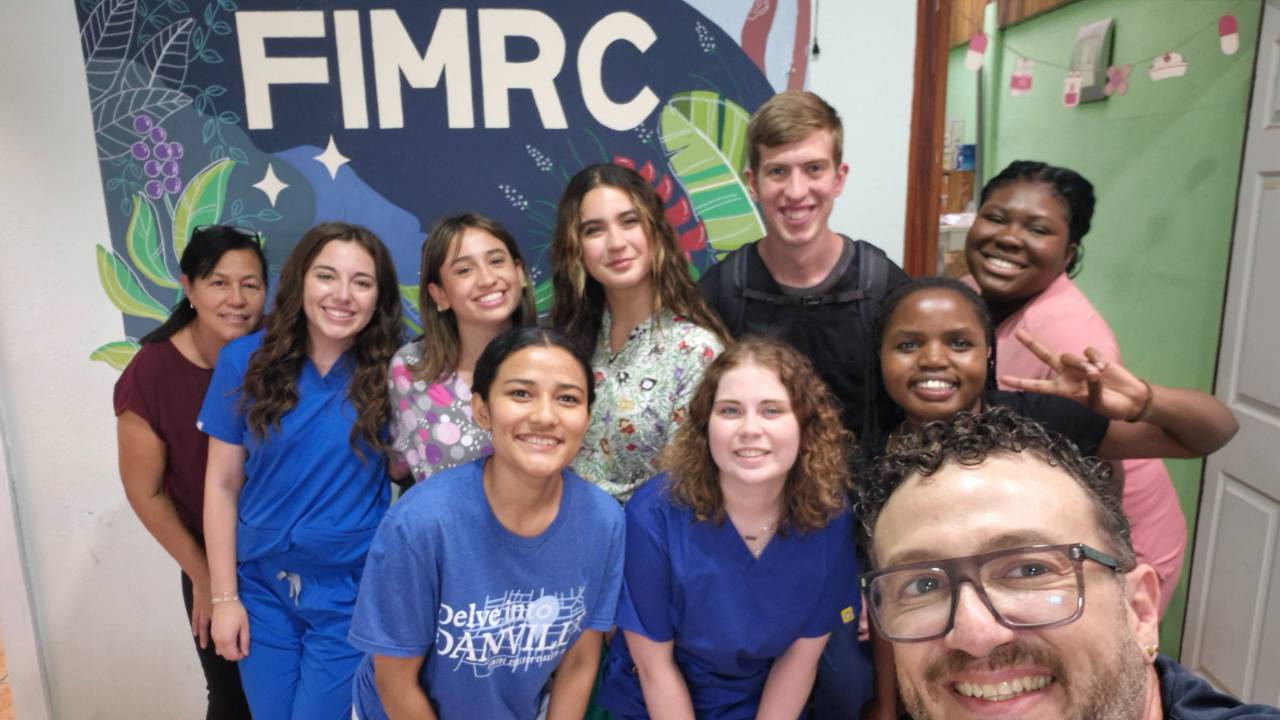
How to Spend Your Winter Break as a Medical Volunteer Abroad
Oct 23, 2026One to two weeks. That's all it takes to spend part of your winter break as a medical volunteer abroad, working alongside local health teams in Peru, Ecuador, or Costa Rica.
With FIMRC's Global Health Volunteer Program (GHVP), you can shadow doctors, join home visits, teach health education to kids, and practice hands-on skills like taking vital signs. You don't need prior clinical experience, a certification, or a healthcare degree to take part. You just need curiosity and a willingness to learn from the people who do this work every day.
Here's what your winter break could look like, activity by activity, and where in the world you could do it.
Winter Break Medical Volunteering at a Glance
- Length: One to two weeks, open year-round.
- Sites: Peru (Huancayo), Ecuador (Anconcito), and Costa Rica (Alajuelita).
- Experience needed: None. The program is open to all skill levels.
- Best for: Pre-health students who want early clinical and community health exposure.
- Included: Homestay housing, three meals a day, local transportation, on-site mentorship, cultural immersion activities, travel insurance, and a program donation.
- Not included: International flights and optional excursions.
- Cost: Depends on the site and trip length. Contact FIMRC for a current quote.
- Supervision: Every activity happens under the guidance of local healthcare professionals.
Compare the three winter break sites.
|
Site |
Location |
Best for |
Sample activities |
|
Peru |
Huancayo, Andean highlands |
Hospital and operating room shadowing |
Hospital and OR shadowing, suturing class, home visits, children's workshops, host family stay |
|
Ecuador |
Anconcito, Pacific coast |
Outreach and nutrition |
Home visits, community health campaigns, nutrition screening, school health education |
|
Costa Rica |
Alajuelita, near San José |
Community clinic and women's health |
Clinic observation, mobile clinic, women's health services, vital signs and charting, Mujeres Valientes |
What a Winter Break Medical Volunteer Trip Includes
The Global Health Volunteer Program is a short-term program open year-round, so it fits neatly into a winter break. Trips run one to two weeks, and you work under the guidance of local healthcare professionals at every site.
Every FIMRC site runs its programs all year, with or without volunteers. That means your work plugs into something that keeps going long after you fly home.
1. Shadow Doctors and Observe Clinical Care Abroad
For many pre-health students, shadowing is the first real look at patient care. Abroad, it's also a look at how care works when resources are stretched and every provider wears several hats.
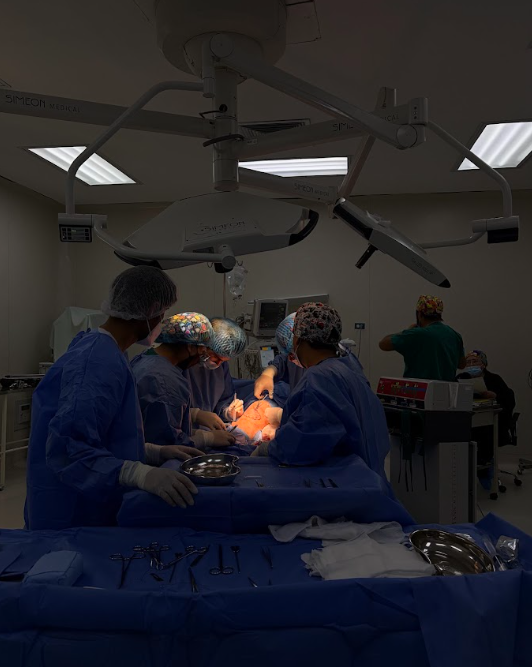
In Peru, volunteers in Huancayo, a city of about 410,000 people in the Andean highlands, shadow at local hospitals, including in the operating room, where they can observe Peruvian surgeons at work. They also assist at health centers and health posts, following patients through different levels of the health system, from small community posts to larger hospitals.
In Costa Rica, clinical observation happens at FIMRC's clinic in Alajuelita, just outside San José. The clinic offers primary care and psychological services to a community of Nicaraguan refugees and Costa Rican families, many of whom can't access the national healthcare system.
2. Join Home Visits and Community Health Campaigns
Some of the most important health work doesn't happen in a clinic at all. It happens at someone's front door.
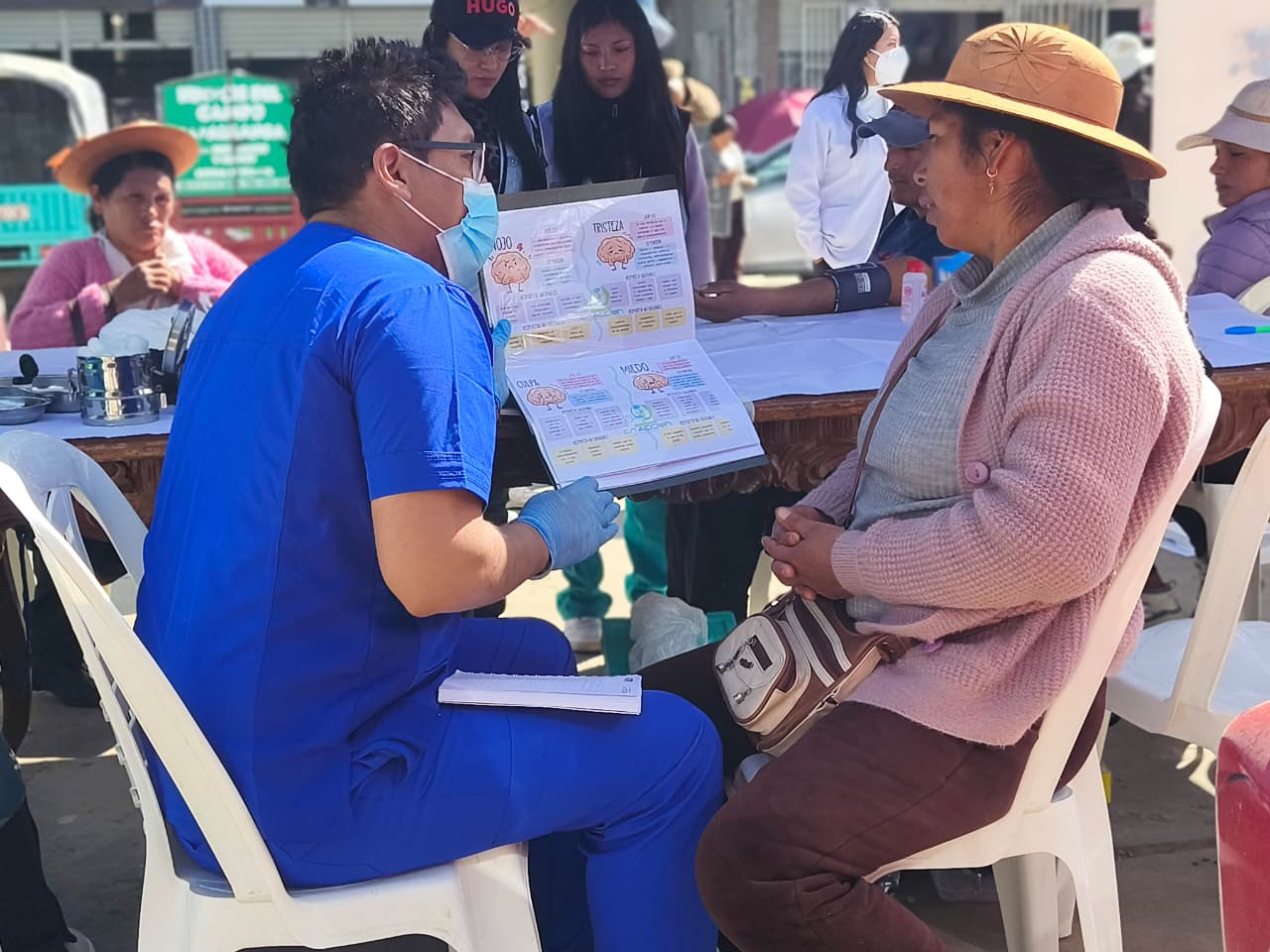
In Ecuador, FIMRC's work in Anconcito, a fishing town on the Pacific coast, is built almost entirely around outreach. Volunteers join the local team on home visits, reaching families who can't easily travel for care. They also take part in community health campaigns that move from neighborhood to neighborhood. During one five-day campaign in March 2026, the team reached 588 people across five neighborhoods with medical consultations, dental care, nutrition services, and medications. Learn more about volunteering in Ecuador.
In Peru, volunteers join home visits around Huancayo and help run preventive health campaigns in local communities, including campaigns at a partner orphanage.
In Costa Rica, the mobile clinic brings care beyond the walls of the Alajuelita clinic, and home visits focused on child nutrition help the team follow up with families where they live.
3. Teach Health Education to Kids and Teens
Teaching a room full of kids how to wash their hands or why breakfast matters sounds simple. Doing it well, in another language and culture, is a skill you'll use for the rest of your career.
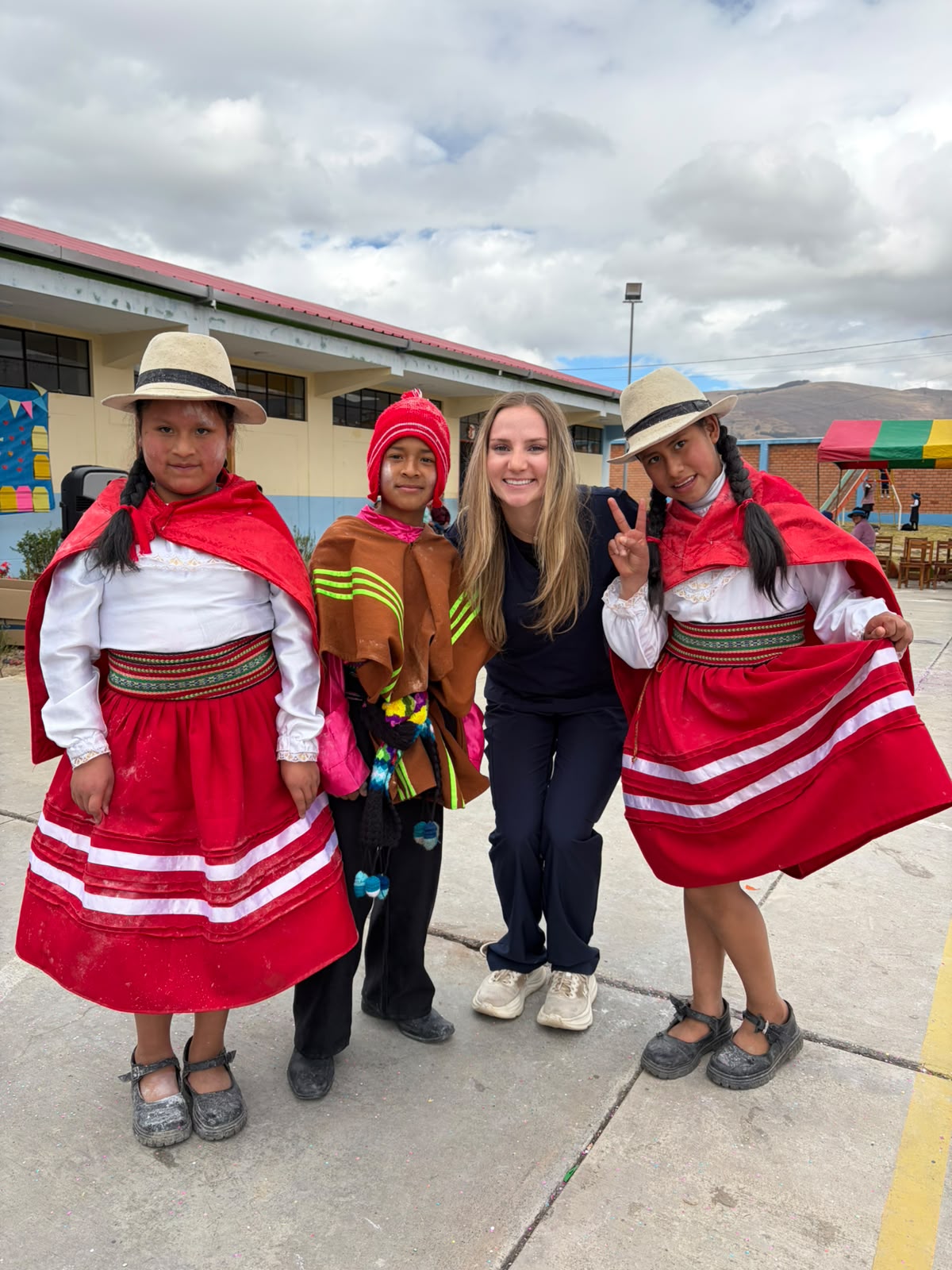
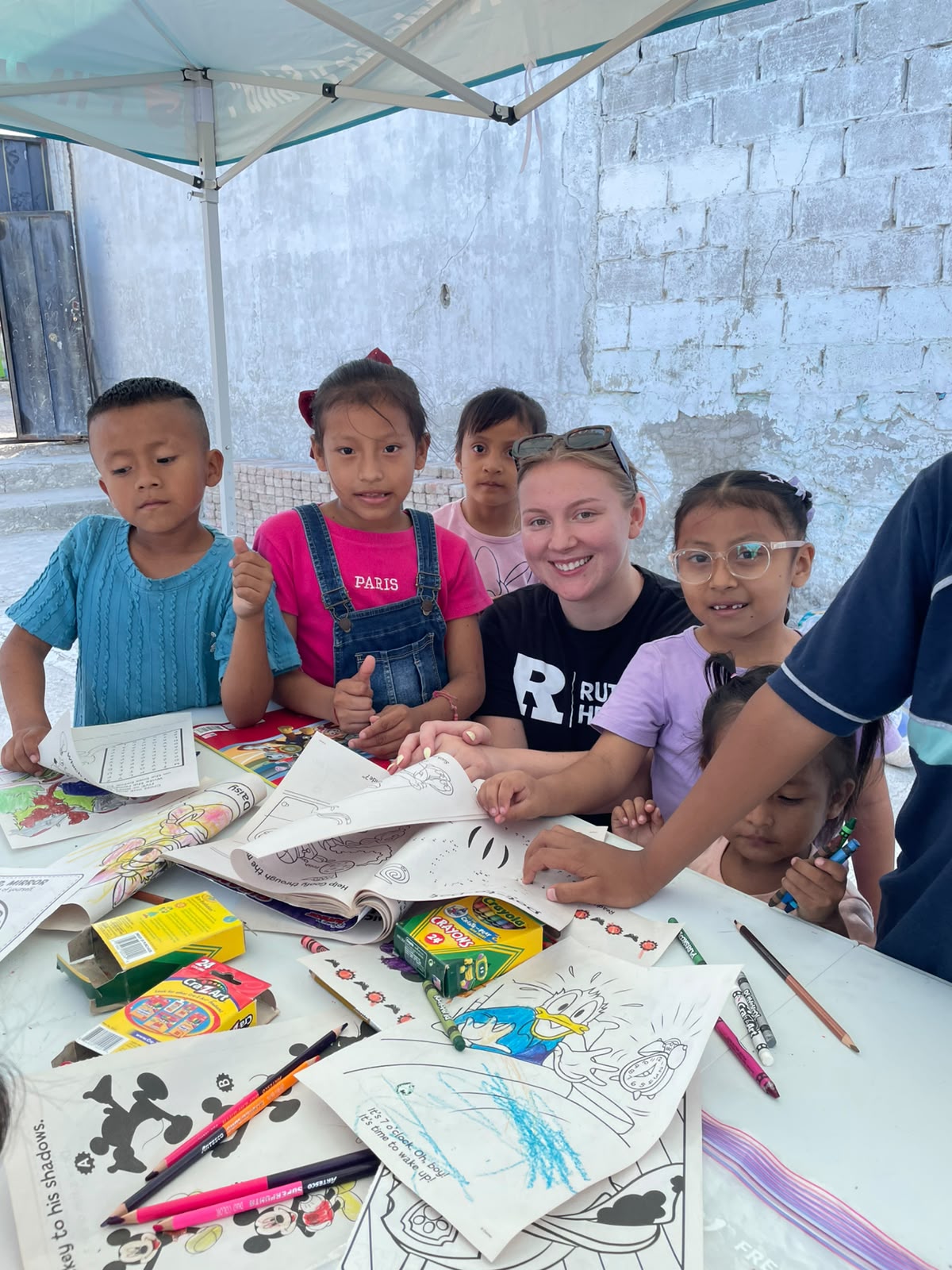
In Peru, volunteers lead children's health and nutrition workshops at Albergue Infantil El Rosario, a longtime FIMRC partner in Huancayo. They also support health education sessions for children and teenagers across the city.
In Ecuador, volunteers run health education sessions in Anconcito's schools and with local youth groups. They can also join the Wonder Girls and Superman Boys Club, a weekly group where kids build teamwork, respect, and confidence in expressing their feelings.
In Costa Rica, volunteers help design health education curricula for the Alajuelita team, creating materials that stay in use long after the trip ends.
4. Support Nutrition Screening and Chronic Disease Care
Malnutrition, anemia, diabetes, and hypertension rarely make headlines, but they shape the health of whole communities. Prevention and early detection are where volunteers can see that work up close.
In Ecuador, the Anconcito team is led by a staff nutritionist. Volunteers help screen children for malnutrition and anemia and support adults who are managing diabetes and hypertension, with referrals to a partner government health center when needed.
In Costa Rica, volunteers support women's health services at the Alajuelita clinic, including Pap smears and breast exams, and join home visits focused on child nutrition.
5. Build Practical Clinical Skills Like Suturing and Vital Signs
Observing is valuable. Practicing a skill yourself, with someone experienced guiding you, is how it sticks. Every activity below happens under the supervision of local healthcare professionals, matched to your skill level.
In Peru, volunteers can join a suturing class, a hands-on introduction to one of the most fundamental clinical skills.
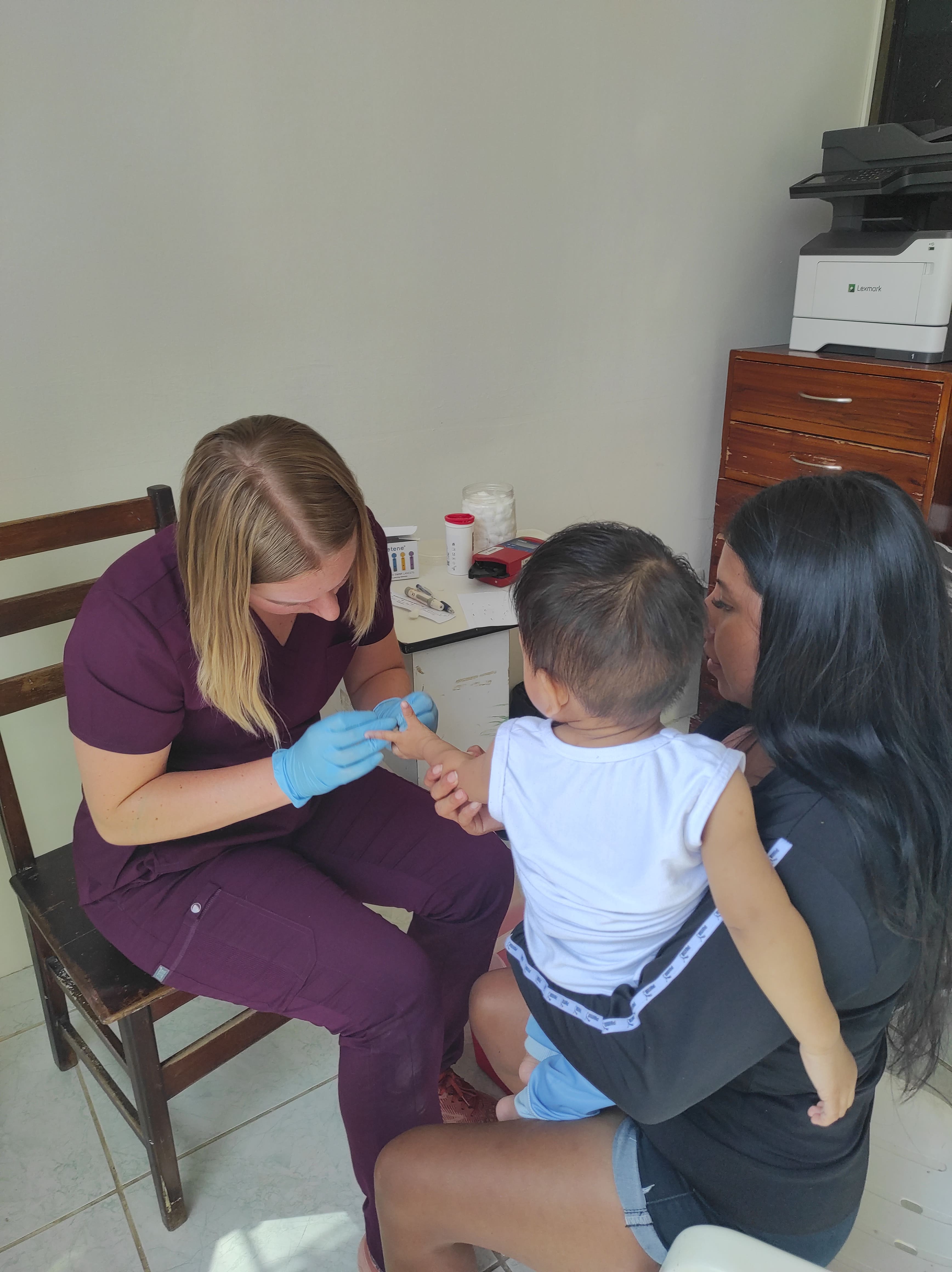
In Ecuador, volunteers take vital signs at the local clinic in Anconcito, getting comfortable with the basics of patient assessment.
In Costa Rica, volunteers chart patients' vital signs and enter patient data into the clinic's records, learning how a busy community clinic keeps track of the people it serves. Explore the Costa Rica volunteer program.
6. Connect With Communities Through Local Programs and Cultural Immersion
The clinical work is only half of the experience. The other half is the people: the community programs that run every week, and the families who welcome volunteers into their homes.
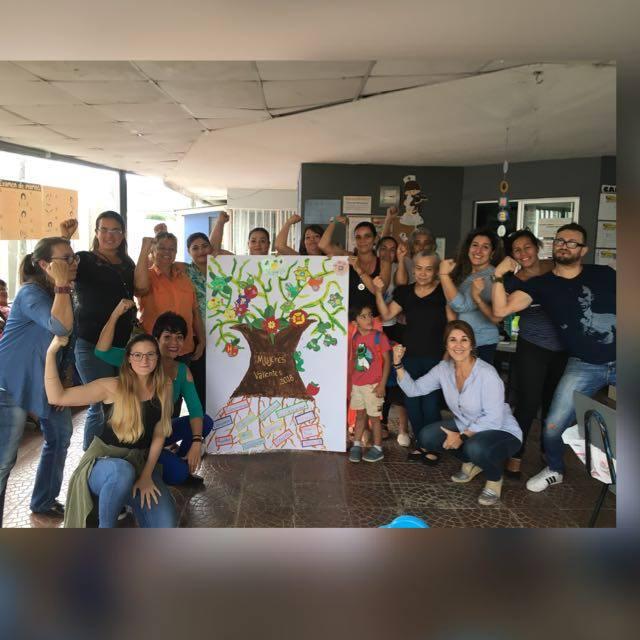
In Costa Rica, volunteers take part in and support Mujeres Valientes, a women's support group that has met every week for eight years. Led by the FIMRC Costa Rica team, it's a space where women share their stories and support one another.
In Peru, the connection starts at home. Volunteers live with host families in Huancayo, share traditional Peruvian meals, and get a feel for daily life in the highlands that no textbook can offer. Discover more about volunteering in Peru.
Why Volunteer With FIMRC
Founded in 2002, FIMRC works to improve access to healthcare for low-resource and medically underserved families around the world. It runs 10 project sites in 9 countries, with four sites open to volunteers, and about 85% of its staff are local professionals who run each site. You can also support FIMRC's local teams with a donation.
Start Planning Your Winter Break Volunteer Trip
Winter break goes fast, and the best trips are the ones you plan early. Now is a good time to choose your site, pick your dates, and leave room for travel prep like checking your passport, reviewing CDC vaccine recommendations for your destination, and planning your flights to the country. Talk to the FIMRC team early to match your dates with site availability, then secure your spot with the registration deposit.
Whether you want to stand in an operating room in Peru, screen kids for anemia in Ecuador, or sit with the Mujeres Valientes in Costa Rica, there's a version of this trip that fits what you want to learn.
Explore FIMRC's Global Health Volunteer Program and find the site where you'll spend your winter break.
Frequently Asked Questions About Medical Volunteering Over Winter Break
Can I volunteer abroad during winter break?
Yes. FIMRC's Global Health Volunteer Program is open year-round, and trips run one to two weeks, which fits within most winter breaks. Winter break sites include Peru, Ecuador, and Costa Rica.
Do I need medical experience to volunteer abroad?
No. FIMRC's Global Health Volunteer Program is open to all skill levels. You don't need prior clinical experience, a certification, or a healthcare degree. Volunteers work under the guidance of local healthcare professionals in roles matched to their skill level.
What do medical volunteers do abroad with FIMRC?
Depending on the site, volunteers shadow doctors and observe clinical care, join home visits and community health campaigns, teach health education to kids and teens, support nutrition screening and chronic disease care, practice skills like taking vital signs, and take part in local community programs.
What's included in a FIMRC volunteer trip?
The program includes homestay housing with local host families, three meals a day, local transportation, on-site mentorship, cultural immersion activities, travel insurance, and a program donation that supports local health initiatives. International flights and optional excursions are not included.
How much does it cost to volunteer abroad over winter break?
The cost depends on the site you choose and the length of your trip. The program fee covers homestay housing, three meals a day, local transportation, on-site mentorship, cultural immersion activities, travel insurance, and a program donation that supports local health initiatives. International flights and optional excursions are extra. Contact FIMRC for a current quote for your site and dates.
Which FIMRC site is best for a winter break volunteer trip?
It depends on what you want to learn. Peru offers hospital and operating room shadowing, a suturing class, and health campaigns. Ecuador focuses on home visits and child nutrition, and Costa Rica centers on a community clinic and women's health.
Is it safe to volunteer abroad as a student?
With appropriate preparation, volunteering abroad with a structured program is something many students do every year. FIMRC volunteers work alongside experienced local teams. Before you travel, check current travel advisories, review CDC recommendations for your destination, and plan your flights to the country.
Want your questions on volunteering abroad answered quicker? Book a quick call with our team!
Stay connected with news and updates!
Join our mailing list to receive the latest news and updates from our team.
Don't worry, your information will not be shared.
We hate SPAM. We will never sell your information, for any reason.