
Stories About
Our Work
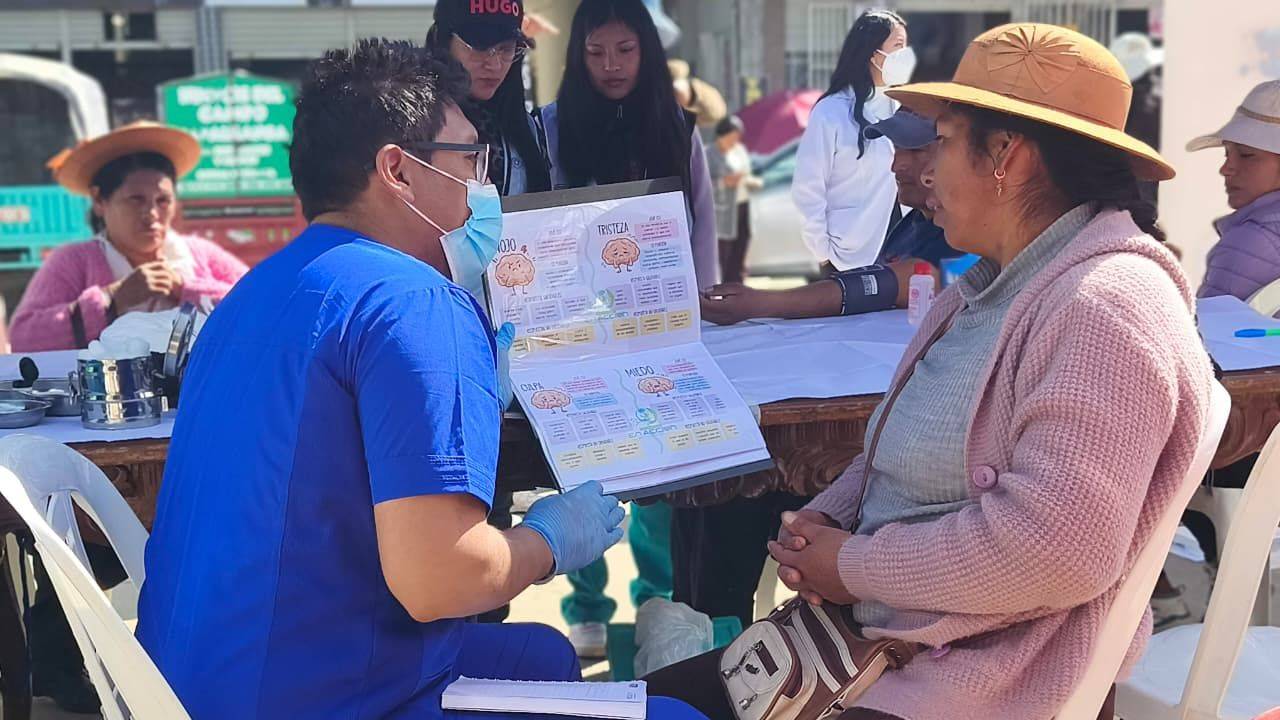
Prevention does not begin with an emergency.
It begins with a conversation a family member feels safe enough to have. A Health Promoter who recognizes that someone is struggling before things get worse. A caregiver who understands that their own emotional well-being matters too. A community where a...
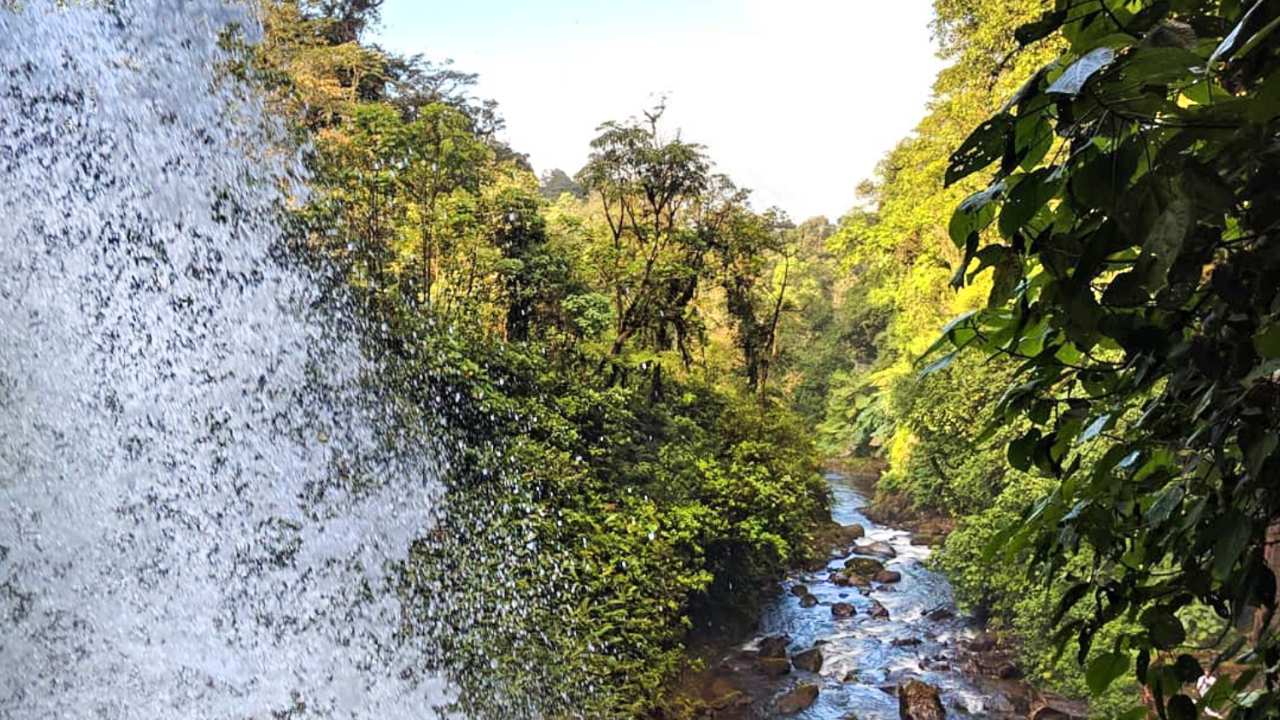
One in four people globally still lacks access to safely managed drinking water. One hundred and six million drink directly from untreated surface sources (WHO/UNICEF Joint Monitoring Programme).
Those numbers were published last year during World Water Week. They describe, with precision, a crisis...
On August 20, 1897, a British army surgeon named Ronald Ross peered through a microscope at the gastrointestinal tract of a female mosquito and found what he was looking for: the malarial parasite, unmistakable and confirming what he had suspected for years. The mosquito was the vector. The mystery ...
In 1736, Benjamin Franklin founded America's first volunteer fire brigade after a ship fire tore through a wharf, warehouses, and neighboring houses in Philadelphia. Twenty-six neighbors signed up. More followed.
That instinct, to organize, to show up, to solve a problem together rather than wait ...
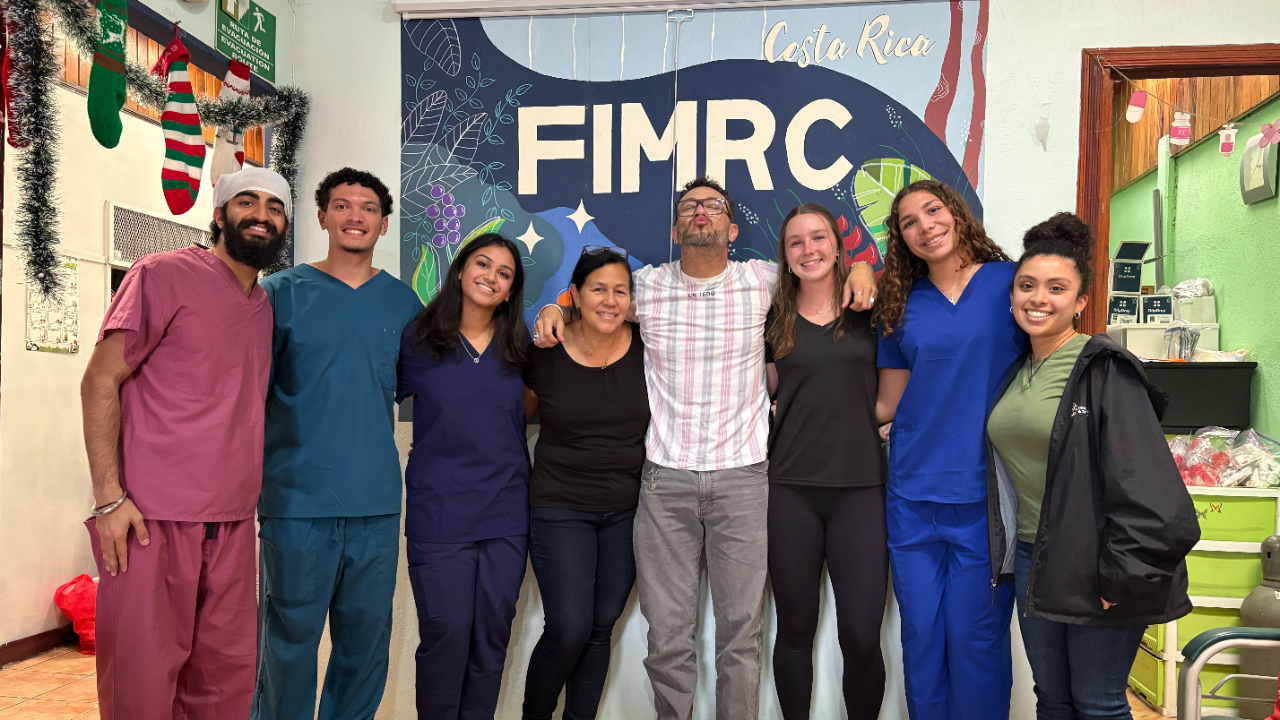
Seventy-five years ago, after the Second World War, the world made a promise: people forced to flee have the right to seek safety and protection. It was never meant for a few. It was meant for all of us.
That promise has not been kept.
The number of forcibly displaced people worldwide has reached ...
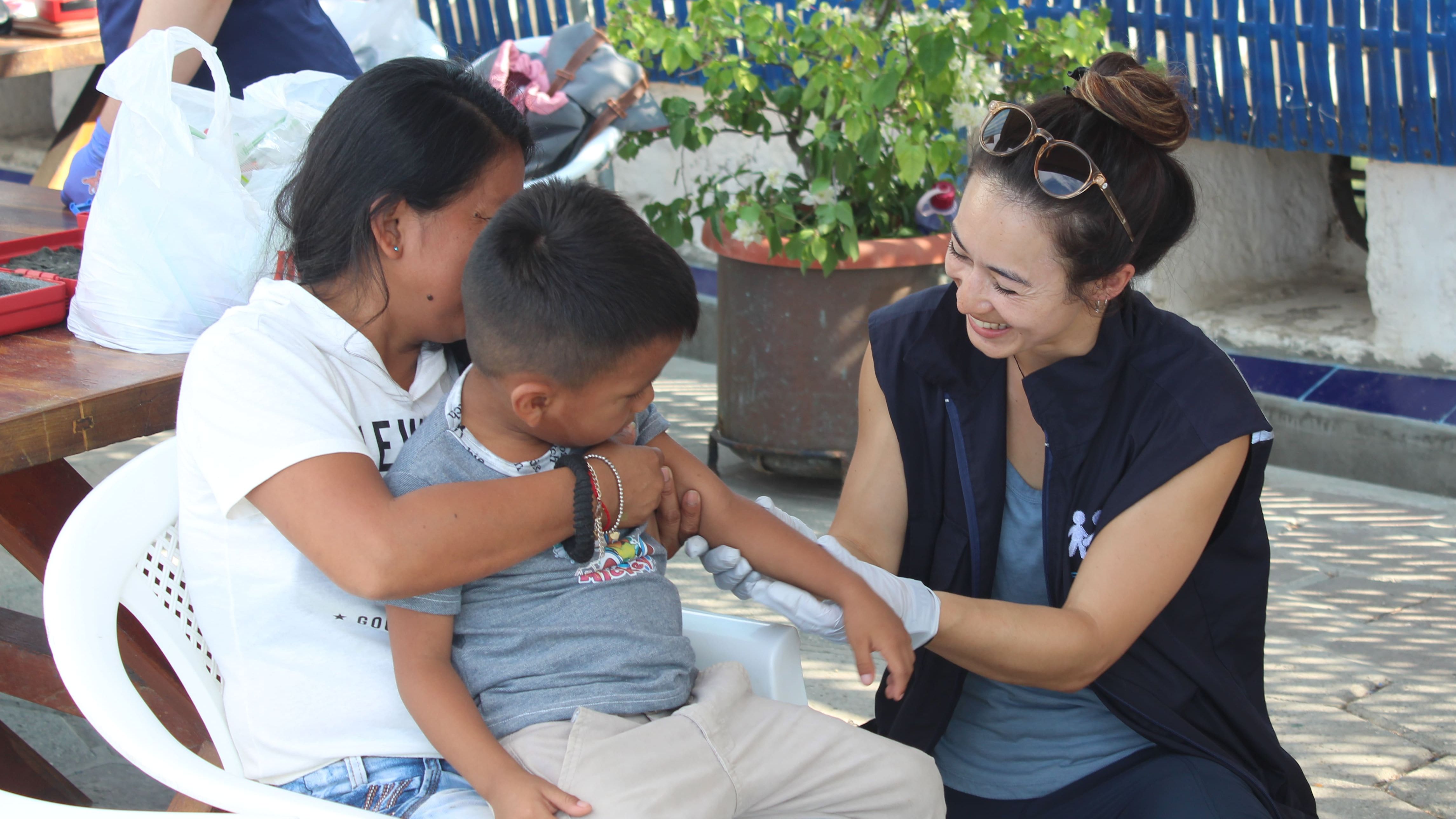
A woman delivers her baby in a rural health post in Bududa. There are complications. She is hemorrhaging. The nearest blood bank is hours away, and even if a vehicle were available right now, the roads make the journey uncertain.
This is not a hypothetical. It is a scenario that plays out across lo...
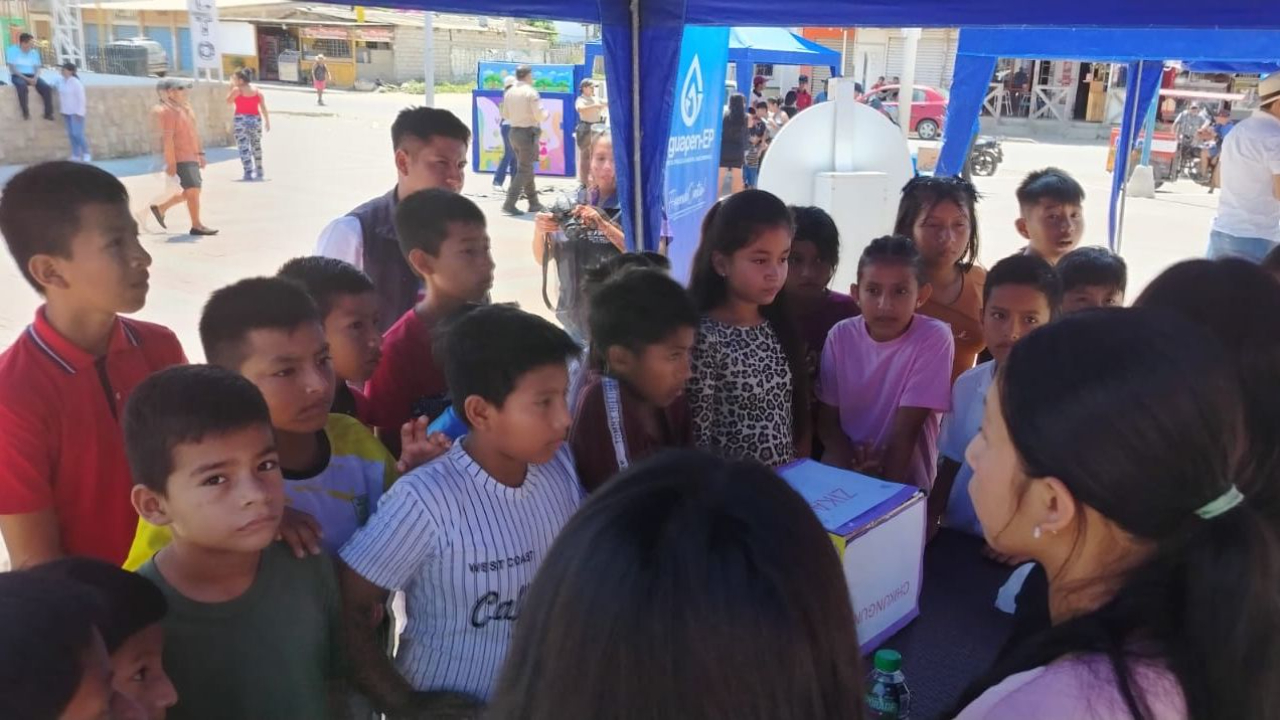
In Uganda, youth smoking prevalence sits at 5.7%. In Peru, e-cigarette use among adolescents has shown a significant increase in recent years. In Costa Rica and Ecuador, flavored nicotine products are moving fast through markets that were not ready to regulate them.
Behind every one of those number...
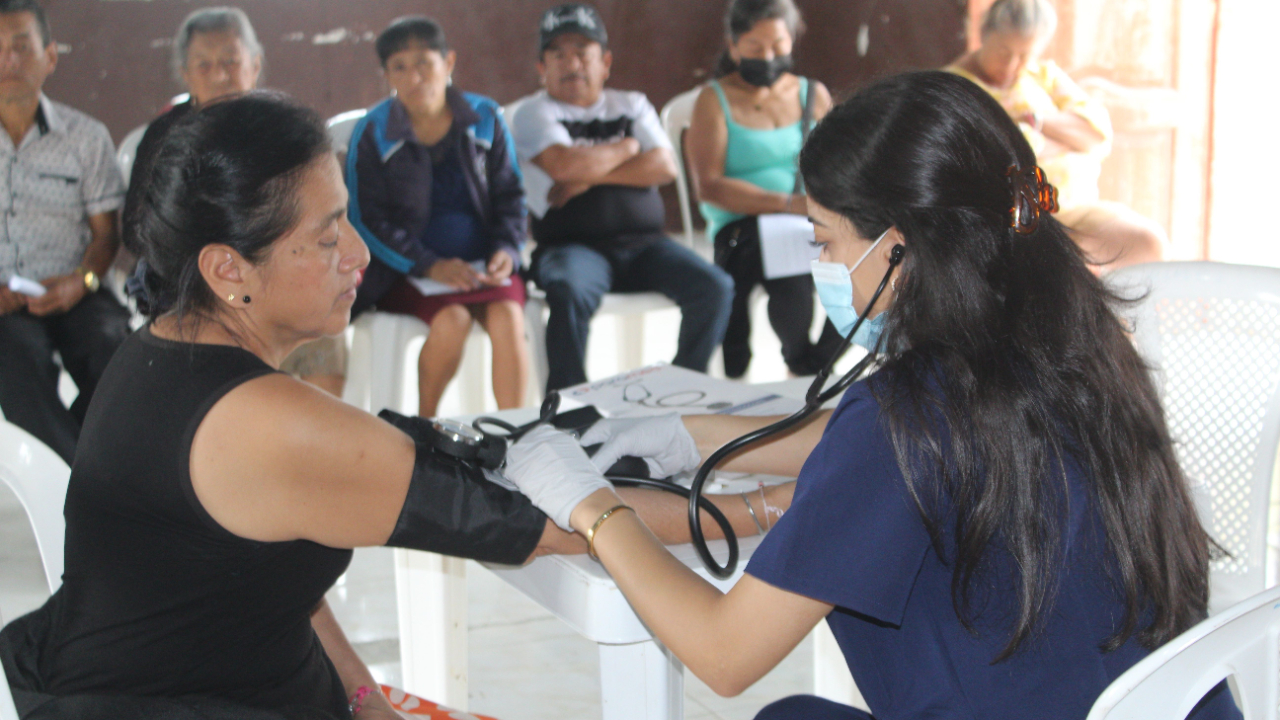
A woman in Bududa has had headaches for months. She assumes it is exhaustion, she wakes before sunrise, tends to her crops, cooks, cleans, and cares for four children. She has never had her blood pressure checked.
In Huancayo, a man in his forties has not seen a doctor in years. The nearest clinic ...
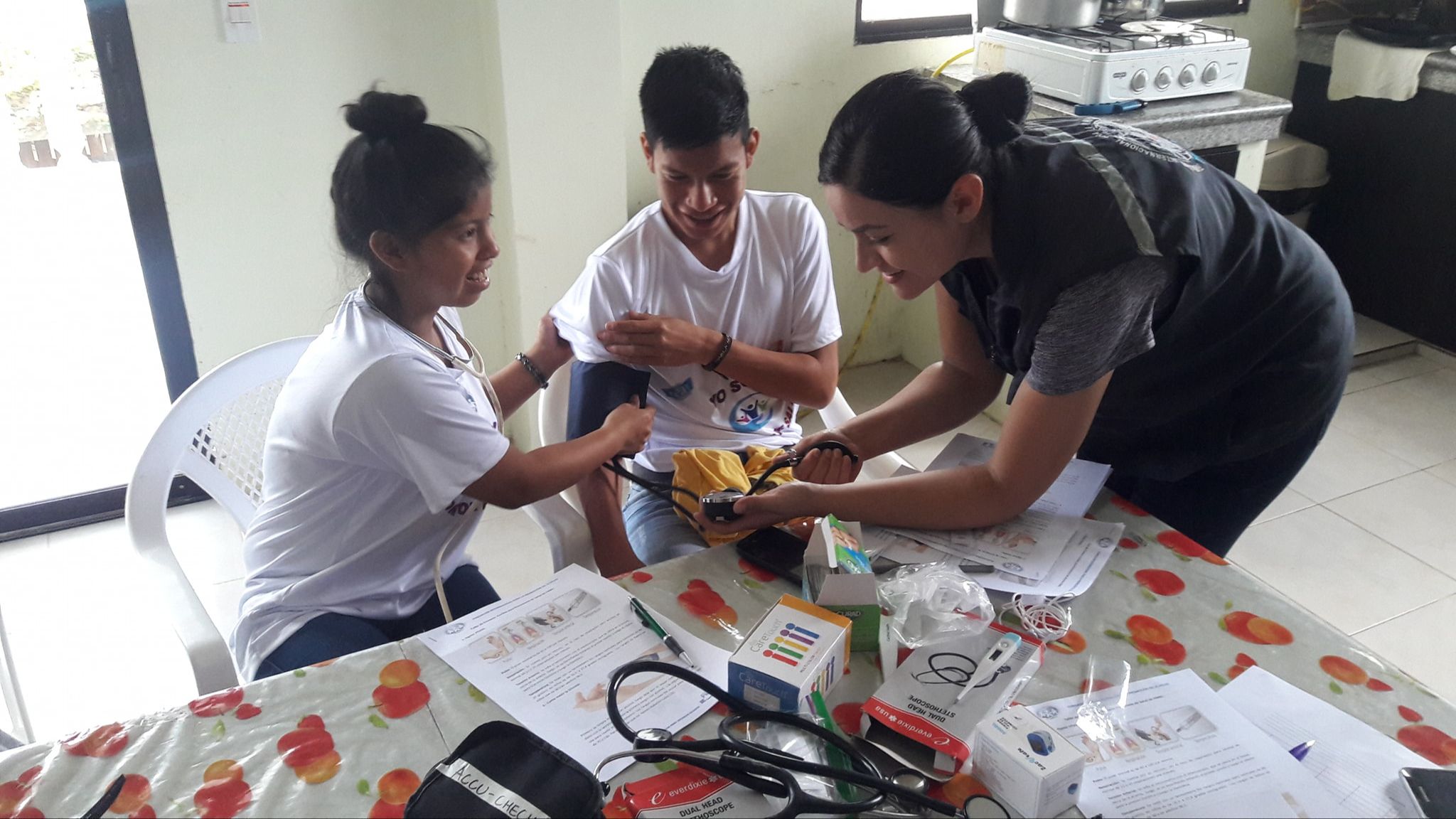
712 women die every day from preventable pregnancy-related causes. Most of them never saw a doctor. Many of them saw a nurse — or saw no one at all.
In most health systems, nurses are the first point of contact — the ones who assess, triage, educate, comfort, and follow up. In low-resource communit...
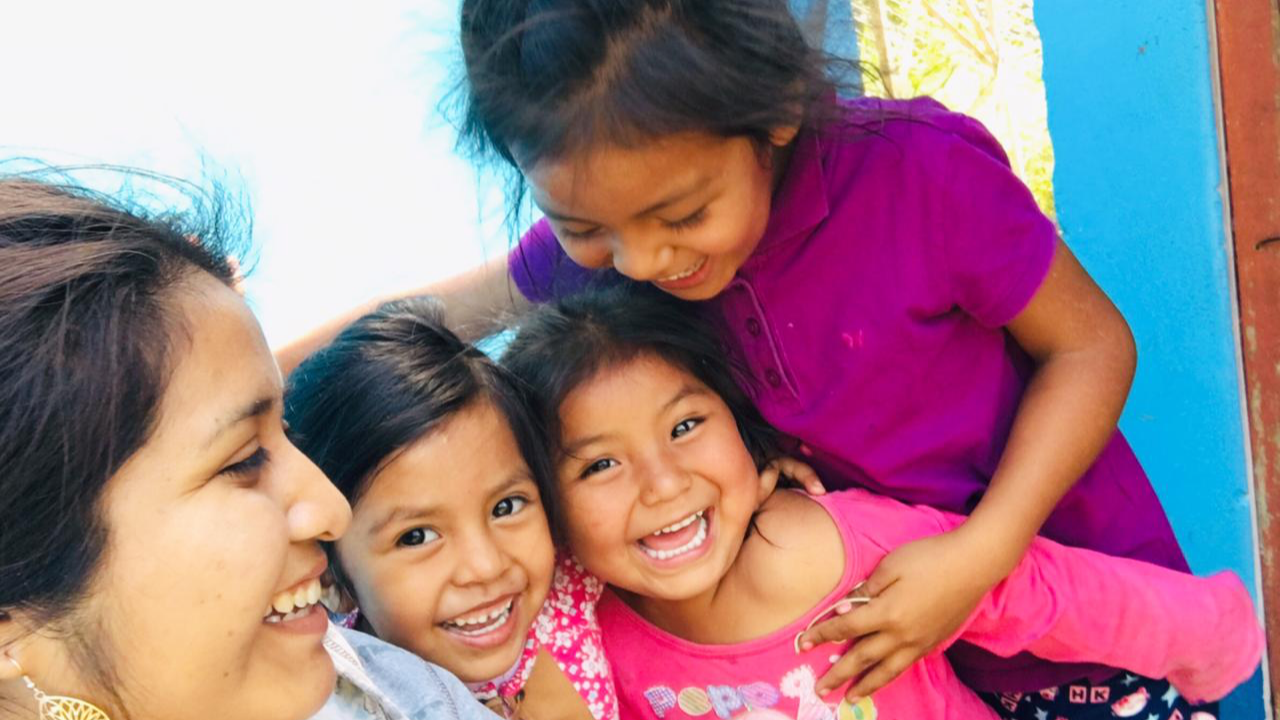
There's a version of Mother's Day that doesn't make it onto greeting cards.
It looks like a woman in Huancayo walking two hours on a mountain trail to reach the nearest health post. A mother in Bududa navigating childbirth in a facility that lacks the basic equipment her situation demands. A first-...
