
World Refugee Day 2026: When Fleeing Home Means Losing Healthcare Too
Jun 19, 2026Seventy-five years ago, after the Second World War, the world made a promise: people forced to flee have the right to seek safety and protection. It was never meant for a few. It was meant for all of us.
That promise has not been kept.
The number of forcibly displaced people worldwide has reached record levels, surpassing 120 million according to UNHCR figures. Behind that number are people who left not just their homes, but their doctors, their pharmacies, their health records, and the community health workers who knew their names. Displacement does not pause chronic conditions. It does not reschedule pregnancies. It does not make children stop getting sick.
What it does is remove the safety net, often completely.
Safety Is Not Just a Border. It Is a Blood Pressure Reading.
The UNHCR campaign message for World Refugee Day 2026 is clear: "The right to seek safety was made for you and me. Until everyone is safe, we show up."
In global health, "showing up" is literal.
It means being present in the communities where displaced and migrant populations land, communities that are often already under-resourced, already stretched, already serving local populations with inadequate infrastructure. When new arrivals come, those systems absorb more pressure without receiving proportionally more support.
The health consequences are predictable. Untreated chronic conditions. Missed prenatal care. Children without vaccination records. Mental health needs that go entirely unaddressed. Infectious disease risks that affect both newcomers and host communities when screening and prevention programs cannot keep pace.
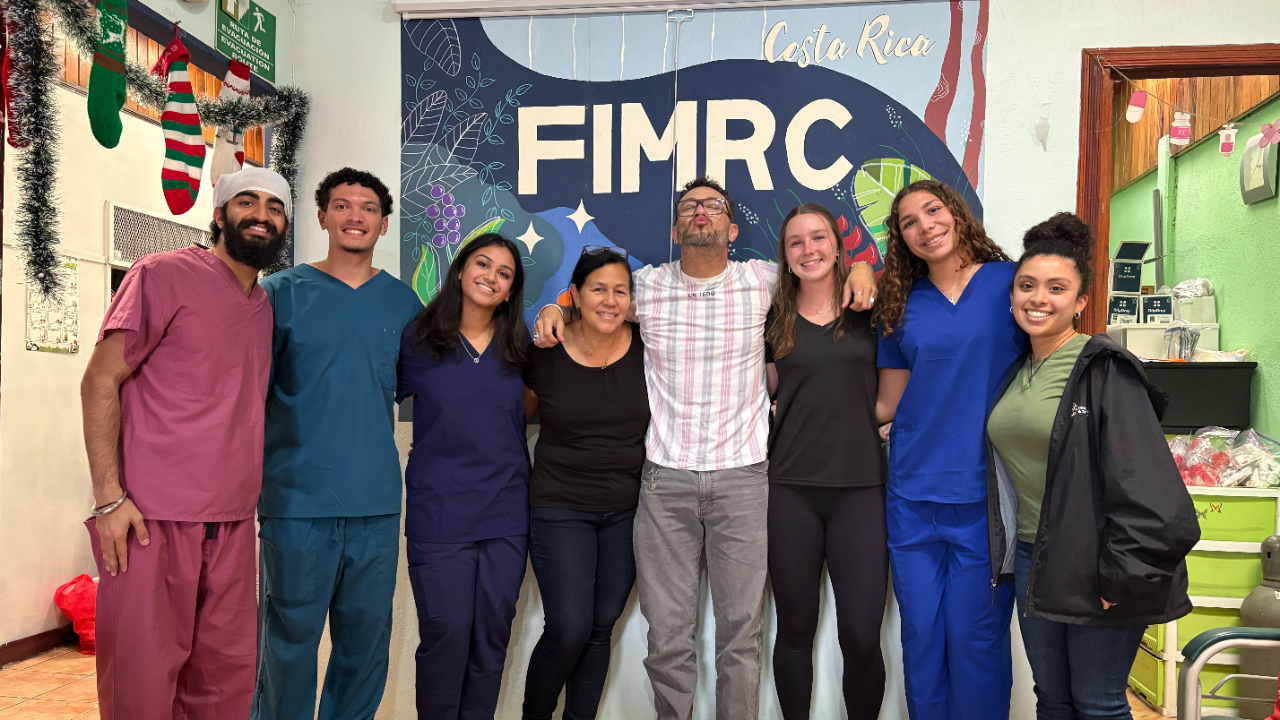
This is what global health volunteers encounter in the field. Not in displacement camps, but in the ordinary community health settings where displaced people eventually land, and where their health needs are too often invisible.
What FIMRC Volunteers See in the Communities They Serve
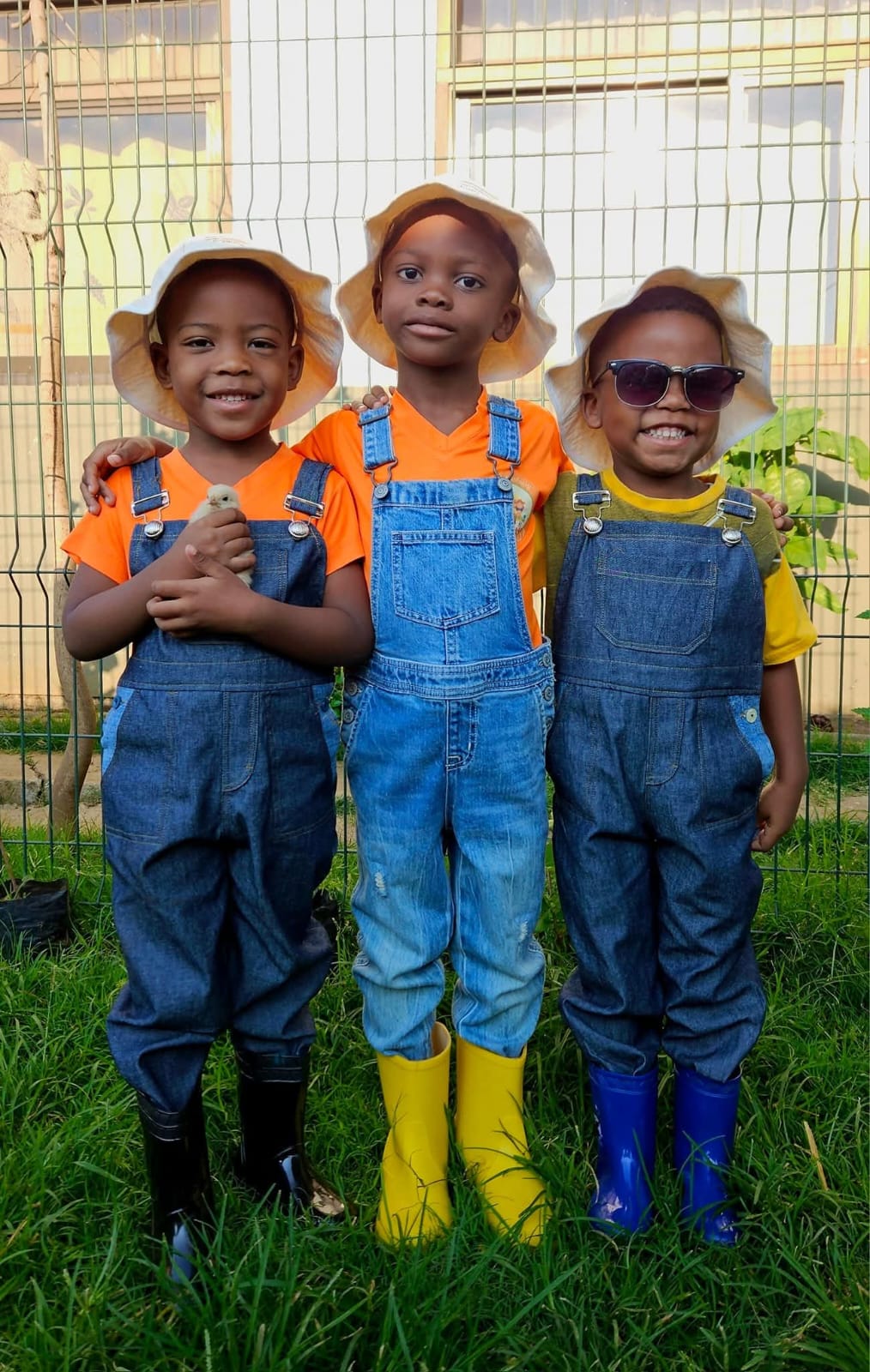
FIMRC's project sites in Uganda, Costa Rica, Peru and Ecuador each sit within regional migration and displacement contexts that shape the health landscape volunteers work in.
In Peru, internal migration from rural highlands to urban and peri-urban areas creates pockets of underserved populations with limited healthcare access. In Uganda, one of the world's largest refugee-hosting nations, the communities surrounding Bududa exist within a broader national context of displacement and resource strain. In Costa Rica and Ecuador, regional migration patterns from Venezuela, Nicaragua, and Colombia have placed new pressure on health systems already navigating significant rural-urban divides.
FIMRC's Global Health Volunteer Program (GHVP) places volunteers directly inside these communities, working alongside local healthcare teams on initiatives that reach the most underserved, including displaced and migrant populations, through:
- Community health screenings that identify undiagnosed or untreated conditions in populations without regular healthcare access
- Health education campaigns delivered in culturally sensitive ways that account for the diversity of backgrounds within a community
- Maternal and child health outreach that prioritizes women and children, consistently the most vulnerable within displaced populations
- Home visits that reach families who have not yet connected with local health services
- Referral support that helps community members navigate unfamiliar health systems in a new place
None of this is refugee-specific programming. It is community health work that, by design, reaches the people most likely to fall through every other net.
The Health Worker as First Responder to Displacement
There is a version of global health that responds to displacement through emergency medicine, field hospitals, crisis response, acute intervention. That work is essential.
But there is another version, slower, less visible, and equally critical — that happens in the months and years after the acute emergency ends. When displaced people have settled somewhere. When they are trying to build a life. When their health needs are chronic, not dramatic, and therefore easy to overlook.
This is the space FIMRC volunteers work in. And it is where the gap between need and available care is often widest.
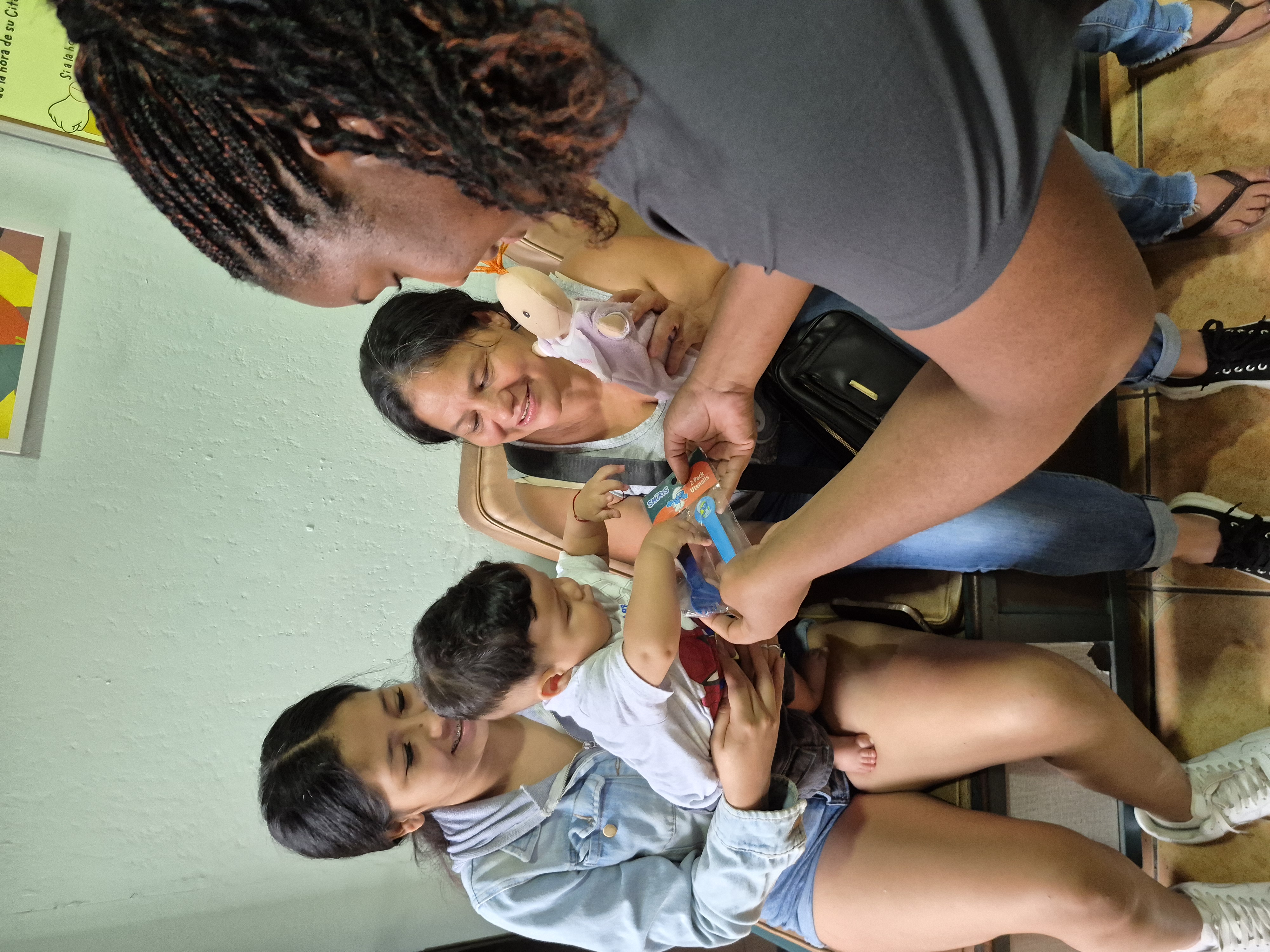
A volunteer who builds trust in a community over weeks learns things that a one-time health campaign never could. Which families are new to the area. Which children have not seen a doctor since before they left home. Which adults are managing conditions, hypertension, diabetes, depression, without medication or follow-up. That knowledge is not clinical in the traditional sense. But it is the foundation on which effective care is built.
What This Day Asks of Future Health Professionals
World Refugee Day 2026 comes at a time when the promise of safety is being tested in every region of the world. Seventy-five years after the adoption of the 1951 Convention, that promise remains one of the clearest undertakings of the international community.
For students training to become physicians, nurses, and public health professionals, this day is also a professional call.
The patients who will walk into future clinics will increasingly include people with histories of displacement — people whose health trajectories were shaped by journeys their records do not fully capture. Understanding how to serve those patients begins long before graduation. It begins in the field, in community health work, in the kind of presence that teaches cultural humility, clinical adaptability, and the ability to build trust across differences.
FIMRC volunteers carry those lessons home. And they carry them into careers.
Until Everyone Is Safe, We Show Up
The theme of World Refugee Day 2026 is not a slogan.
It is a description of what community health work demands — every day, in every community where the most vulnerable have not yet been reached. FIMRC's Global Health Volunteer Program is built on exactly that commitment: showing up, consistently, in the places where healthcare access is most fragile and the need is most real.
If you are ready to be one of the people who shows up, this is where that work begins.
FAQ SECTION
👉 What is World Refugee Day 2026 about?
World Refugee Day is observed every June 20 to honor the courage and resilience of people forced to flee their homes due to conflict, persecution, or violence. The 2026 theme, Solidarity with Refugees, marks the 75th anniversary of the 1951 Refugee Convention — the foundational international agreement protecting the rights of refugees to seek safety and live with dignity.
👉 How does displacement affect access to healthcare?
Displacement disrupts every layer of healthcare access — from loss of medical records and medication supplies to unfamiliarity with new health systems and language barriers. Chronic conditions go unmanaged, prenatal care is interrupted, children miss vaccinations, and mental health needs accumulate without support. In host communities already under-resourced, the added pressure further strains available services.
👉 Do FIMRC volunteers work directly with refugee or migrant populations?
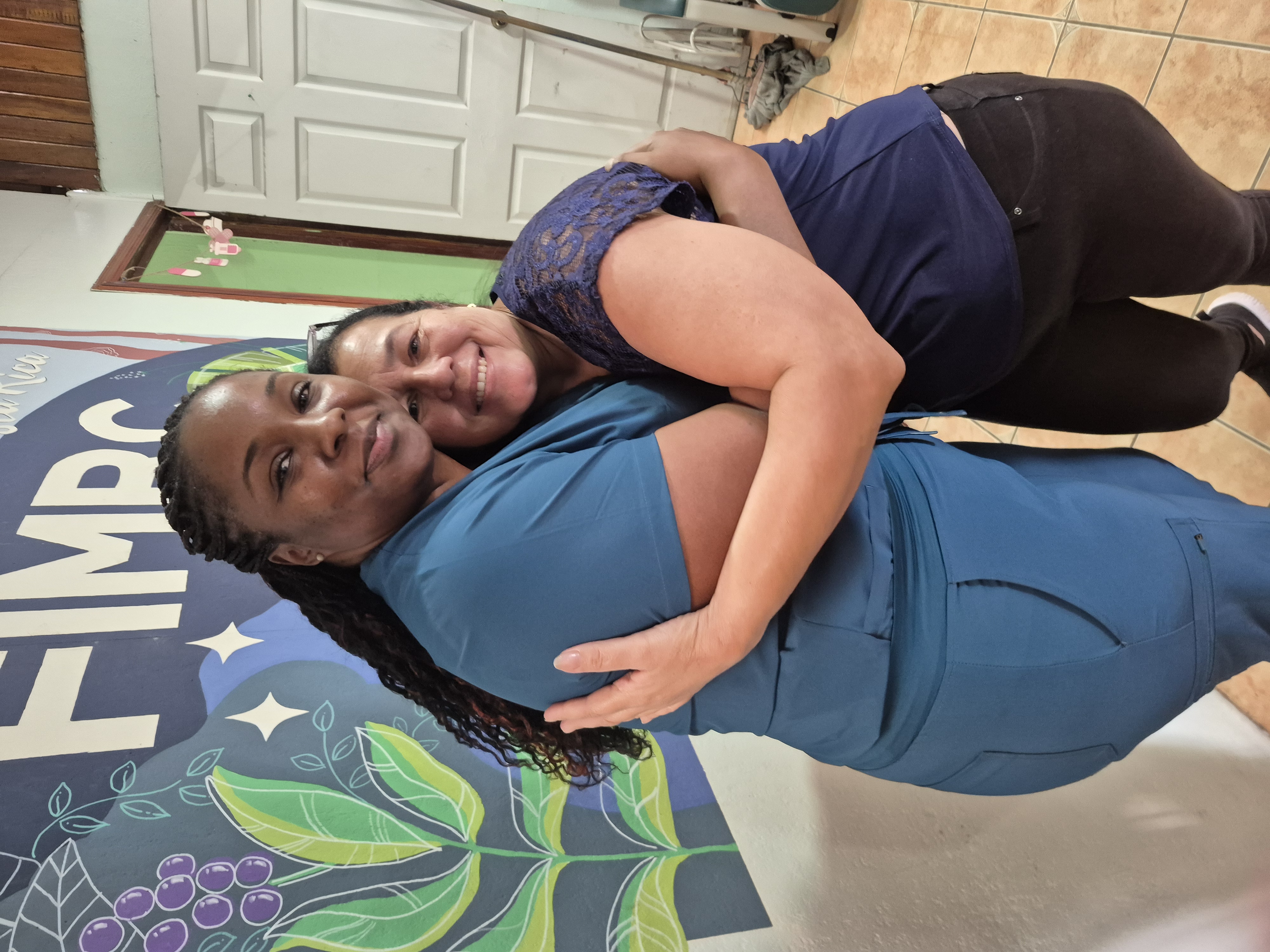
FIMRC's GHVP operates community health programs in areas that include displaced and migrant populations among the underserved communities they serve. Volunteers do not run refugee-specific programs, but their community health work, screenings, outreach, home visits, health education, reaches populations that include people with histories of displacement who have not yet connected with local health services.
👉 Why is community-based health work important for displaced populations?
Emergency health responses address acute needs. But displaced people who have settled in a community need sustained, trust-based healthcare access, for chronic conditions, maternal and child health, mental health, and prevention. Community health volunteers who build relationships over time are often better positioned to reach these populations than formal health systems that displaced people may distrust or not know how to navigate.
👉 How does volunteering with FIMRC prepare students to work with diverse patient populations?
Working in communities that include people from varied backgrounds, languages, and experiences builds the cultural humility and clinical adaptability that future health professionals need. FIMRC volunteers learn to deliver care and education across differences — a skill that applies directly to working with refugee and migrant patients in any future clinical setting.
Want your questions on volunteering abroad answered quicker? Book a quick call with our team!
Stay connected with news and updates!
Join our mailing list to receive the latest news and updates from our team.
Don't worry, your information will not be shared.
We hate SPAM. We will never sell your information, for any reason.
