
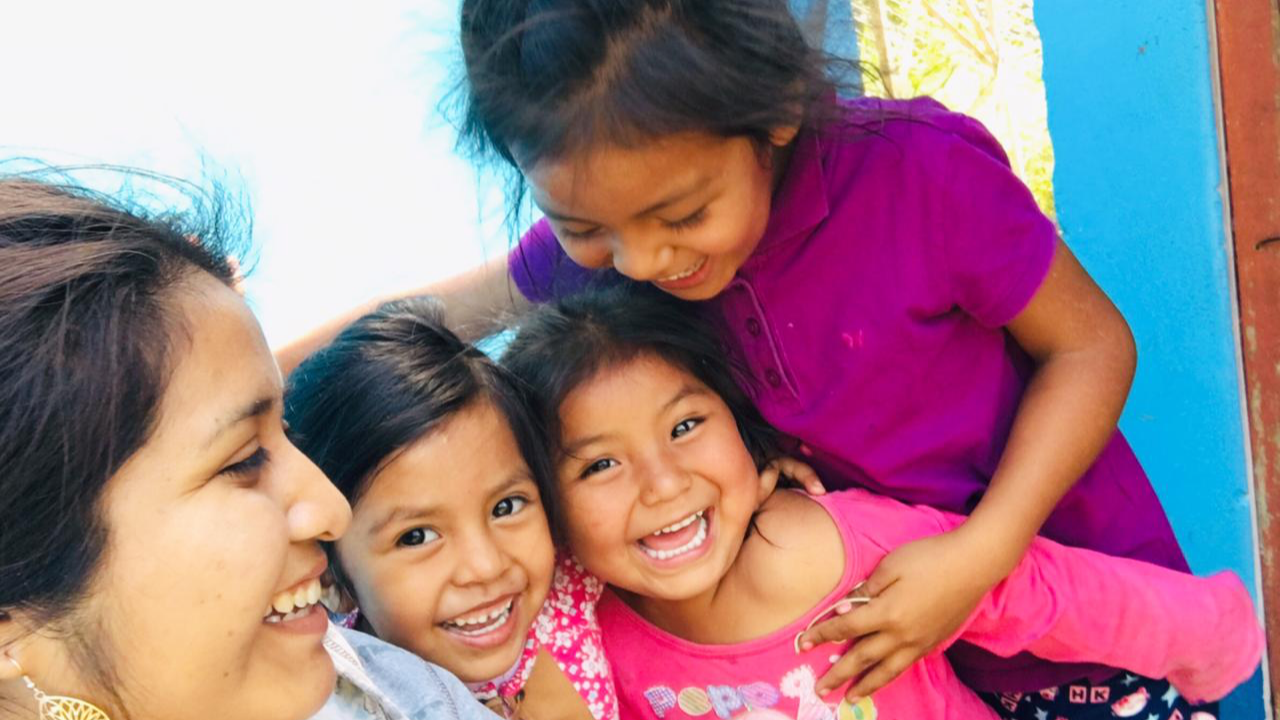
This Mother’s Day, Meet The Women FIMRC Volunteers Show Up For
May 08, 2026There's a version of Mother's Day that doesn't make it onto greeting cards.
It looks like a woman in Huancayo walking two hours on a mountain trail to reach the nearest health post. A mother in Bududa navigating childbirth in a facility that lacks the basic equipment her situation demands. A first-time mother in rural Ecuador who has never had a prenatal visit — not by choice, but because no one has come to her.
These women are mothers too. And the global health volunteers working inside FIMRC's program sites show up for them — not one day a year, but every day the work demands it.
The Numbers Behind The Reality
In 2023, approximately 260,000 women died from pregnancy-related causes — roughly 712 mothers every single day — with over 90% of those deaths occurring in low- and lower-middle-income countries.
That's not a statistic to scroll past.
Progress between 2000 and 2015 was real and meaningful. But gains in reducing maternal mortality have largely stalled, and in some regions, reversed. The women most at risk are not failing to access care because they don't want it. They're failing to access care because the infrastructure to deliver it hasn't reached them.
In the communities where FIMRC operates — Huancayo, Bududa, Costa Rica, Ecuador — these numbers have faces. They reflect the daily realities that local health teams are navigating, and that FIMRC medical volunteers are trained to support.
What Volunteers Actually Do in the Field
FIMRC's Global Health Volunteer Program places volunteers directly inside communities — not observing from a distance, but working alongside local healthcare professionals on the grassroots maternal health work that makes the biggest difference at the household level.
In practice, that looks like:
- Conducting home visits to pregnant women and new mothers in remote or hard-to-reach areas
- Supporting prenatal and postnatal health education campaigns in community spaces
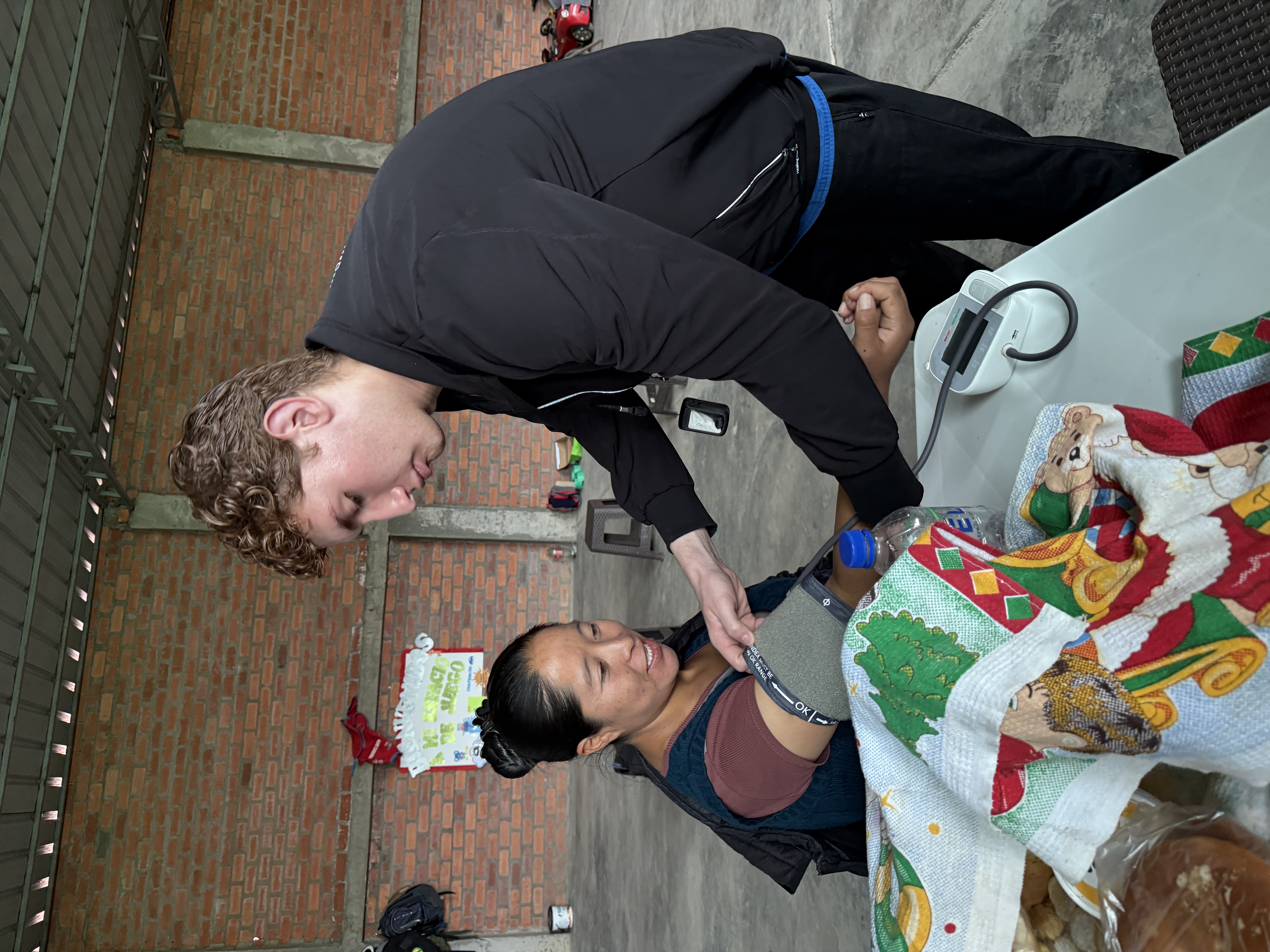
- Assisting with screenings for anemia, malnutrition, and other maternal risk factors
- Delivering nutrition, hygiene, and breastfeeding education to mothers and caregivers
- Accompanying local health teams on outreach in high-risk neighborhoods
- Helping connect mothers who need specialized care to appropriate referral pathways
None of this is peripheral. It's the connective tissue between a health system and the families that system exists to serve. Without it, information stops at the clinic door. With it, it reaches the people who need it most.
Why Presence Is an Intervention
The most underrated thing a volunteer can offer isn't a skill set. It's consistency.
In communities where trust in formal health systems has been worn down — by distance, by language gaps, by generations of being overlooked — a reliable, caring presence means something. Home visits reach mothers who can't travel. Community campaigns create environments where women feel safe enough to ask the questions they'd never raise in a clinical setting.
FIMRC volunteers learn this quickly: maternal health is not only a medical problem. It's a trust problem. A proximity problem. A dignity problem. The clinical knowledge matters. But so does the willingness to meet people where they are, on their terms, without rushing toward the next task.
The Education That Doesn’t Come From Textbooks
For healthcare and science students, there is what you learn in a classroom about maternal health — and then there is what you understand after spending time in Bududa or Huancayo.
In Peru, volunteers see how altitude and rural geography directly shape pregnancy outcomes in ways that no case study fully captures. In Uganda, they observe how resource-limited facilities manage obstetric complications that would trigger immediate specialist intervention in a high-income setting — and how local healthcare workers make those calls with skill and composure under pressure. In Costa Rica and Ecuador, they develop a much sharper understanding of how economic instability and social determinants determine whether a mother receives consistent prenatal care or none at all.
These experiences don't just add a line to a résumé. They shape what kind of clinician, public health professional, or health advocate you become. Professionals who have worked in these contexts think differently about systems, about equity, and about what it actually takes to improve the health of mothers at scale.
Honoring Mothers Means More Than Celebrating Them
The easiest way to honor motherhood is to say the right things in May. The harder — and more meaningful — version is to do something about the conditions that determine whether a mother survives pregnancy, recovers postpartum, and raises her children with the resources she needs.
FIMRC volunteers are part of that work. Across Peru, Uganda, Costa Rica, and Ecuador, they show up in homes, in clinics, in community campaigns, and in the quiet one-on-one conversations that build the trust that public health depends on.
If you're a healthcare or science student looking for hands-on global health experience that centers the people most affected by systemic health gaps — this is where that work begins.
Explore FIMRC's Global Health Volunteer Program
FAQ Section
👉 What is maternal health, and why is it a global health priority?
Maternal health refers to the health of women during pregnancy, childbirth, and the postpartum period. It remains a critical global health priority because approximately 260,000 women die annually from preventable pregnancy-related causes — over 90% in low- and lower-middle-income countries — making it one of the clearest indicators of health system equity worldwide.
👉 How do global health volunteers support maternal health in underserved communities?
Global health volunteers support maternal health through home visits, prenatal and postnatal education campaigns, community screenings, and hygiene and nutrition outreach. In FIMRC's program, volunteers work directly alongside local health teams in Peru, Uganda, Costa Rica, and Ecuador to reach mothers who lack consistent access to formal healthcare.
👉 What do medical volunteers learn from working in maternal health abroad?
Volunteers gain direct exposure to how social, geographic, and economic determinants shape pregnancy outcomes in low-resource settings. They observe how local healthcare workers adapt to infrastructure limitations, develop community trust as a public health skill, and build a systems-level understanding of maternal health that clinical training in high-income settings rarely provides.
👉 Is FIMRC's volunteer program open to pre-med and health sciences students?
Yes. FIMRC's Global Health Volunteer Program is designed for students studying medicine, nursing, public health, and related health sciences. It provides mentored, hands-on community health experience at program sites in four countries, with maternal health as one of its core focus areas.
👉 What countries does FIMRC place global health volunteers in for maternal health work?
FIMRC currently operates in Peru (Huancayo), Uganda (Bududa), Costa Rica, and Ecuador — communities where maternal health outcomes are directly affected by limited healthcare access and where volunteer support has measurable impact at the community level.
Want your questions on volunteering abroad answered quicker? Book a quick call with our team!
Stay connected with news and updates!
Join our mailing list to receive the latest news and updates from our team.
Don't worry, your information will not be shared.
We hate SPAM. We will never sell your information, for any reason.
