
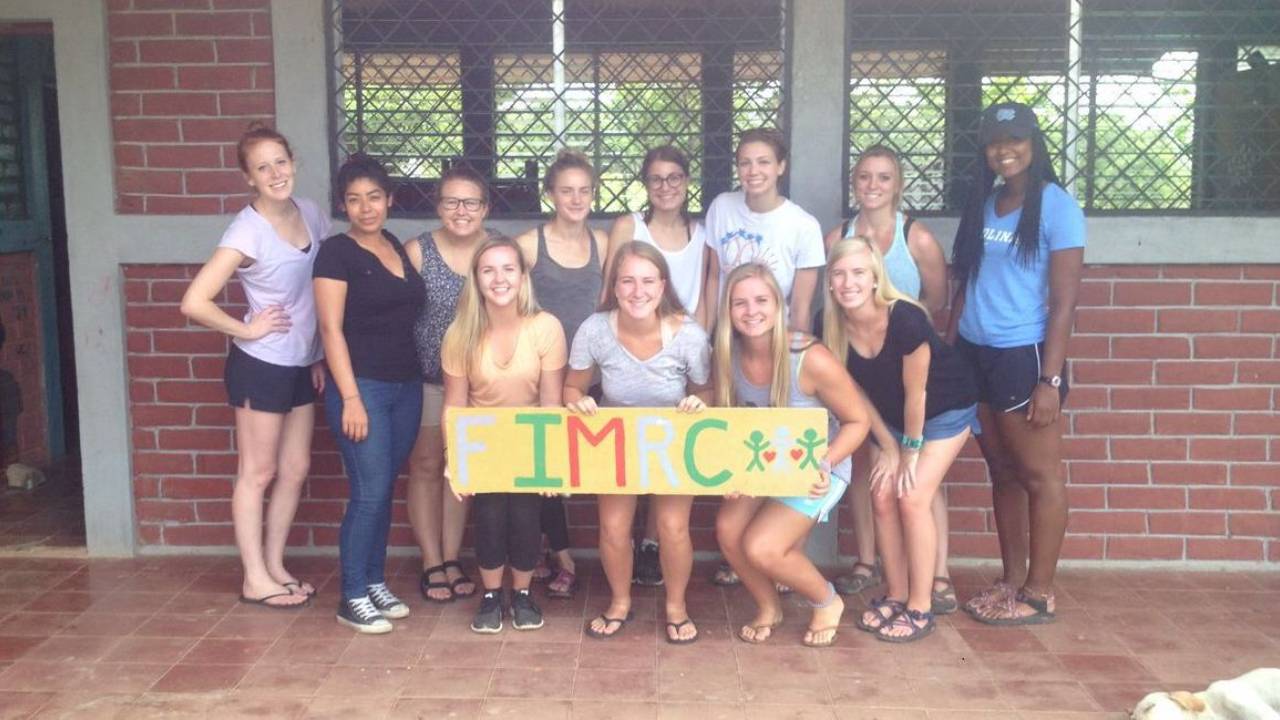
Vector-Borne Disease Prevention: Lessons from Volunteers in Uganda and Peru
Aug 21, 2026On August 20, 1897, a British army surgeon named Ronald Ross peered through a microscope at the gastrointestinal tract of a female mosquito and found what he was looking for: the malarial parasite, unmistakable and confirming what he had suspected for years. The mosquito was the vector. The mystery was solved.
It earned him the Nobel Prize. It did not end malaria.
More than a century later, mosquito-borne diseases account for 17% of all infectious diseases globally and cause approximately 700,000 deaths every year. Science has advanced enormously. The burden has not disappeared. And in the communities where FIMRC operates, in Bududa, Uganda and in the highlands of Peru, that burden is not a statistic. It is a clinical reality that volunteers encounter from their first week in the field.
Malaria in Uganda vs. Dengue in Peru: Two Countries, One Insect
In Uganda, the threat is malaria.
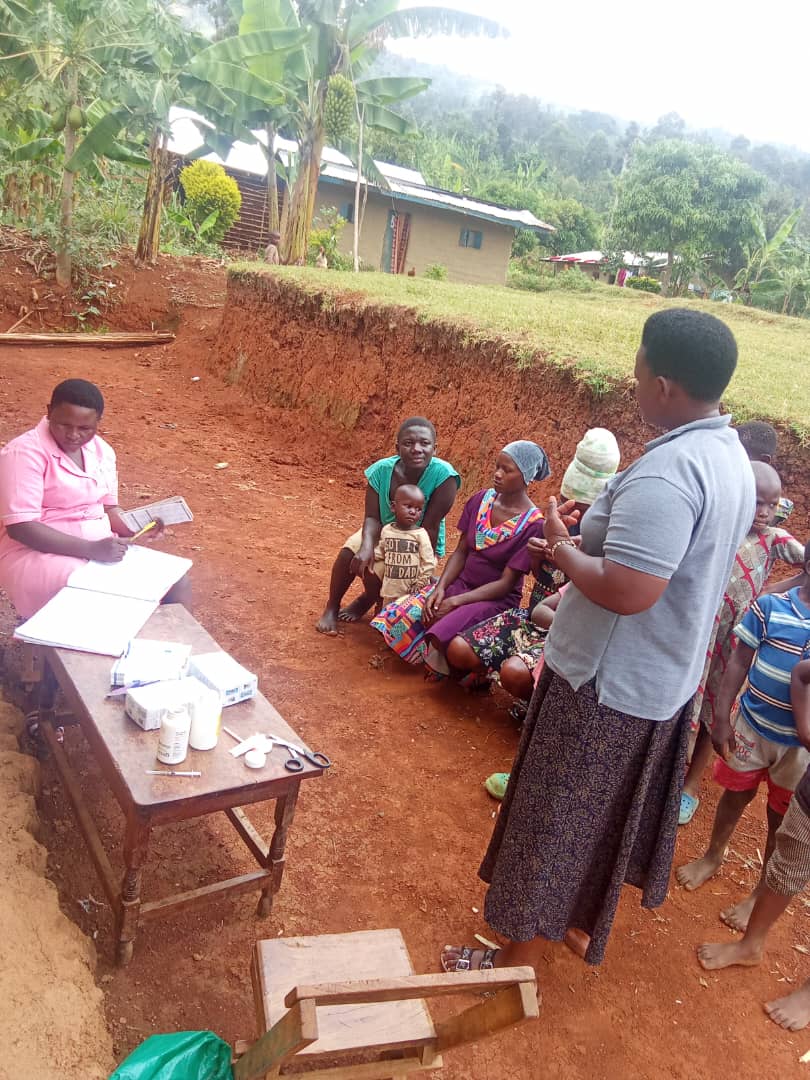
In 2024, WHO reported an estimated 13.2 million malaria cases and over 16,204 deaths in Uganda alone. Bududa, the rural district in eastern Uganda where FIMRC operates, sits in a high-transmission zone where malaria is among the leading causes of clinic visits, school absenteeism, and under-five mortality. Children are the most vulnerable. Pregnant women are the most medically complex cases. And the health posts that serve these communities manage this burden with equipment and staffing that would challenge any system.
In Peru, the picture shifts, but does not simplify.
In 2024, Peru reported 280,726 dengue cases and 259 related deaths, ranking sixth in the Americas in terms of incidence. El Niño-driven rainfall and heat preceded a dengue surge in Peru in 2023–2024, with cases rising by over 130%. Dengue — transmitted by the Aedes aegypti mosquito rather than the Anopheles vector that carries malaria — has expanded beyond its traditional coastal and Amazonian strongholds, reaching peri-urban and highland areas as climate shifts alter the geographic range of its vector. The communities FIMRC serves around Huancayo are not immune.
Same insect family. Different parasites. Same consequence when health systems are overwhelmed and communities are unprepared.
Vector-Borne Disease Prevention: What It Actually Requires
There is no shortage of tools for fighting vector-borne disease. Insecticide-treated bed nets. Indoor residual spraying. Rapid diagnostic tests. Larvicide programs. Early treatment protocols.
What there is a shortage of is the community-level infrastructure that makes those tools reach the people who need them.
A bed net that sits in a health post because no one has transported it to the village does not save anyone. A rapid diagnostic test that a family does not know to seek when fever arrives does not catch malaria before it progresses to severe disease. A dengue awareness campaign delivered in a language or format that does not connect with its audience does not change the behavior that creates breeding sites.
This is where FIMRC volunteers work.
FIMRC's Global Health Volunteer Program (GHVP) places volunteers directly inside communities in Peru, Uganda, Costa Rica, and Ecuador, supporting the local healthcare teams whose job is to close exactly these gaps. In the context of vector-borne disease, that work includes:
- Community health education campaigns on mosquito-borne disease recognition, prevention, and the importance of early care-seeking
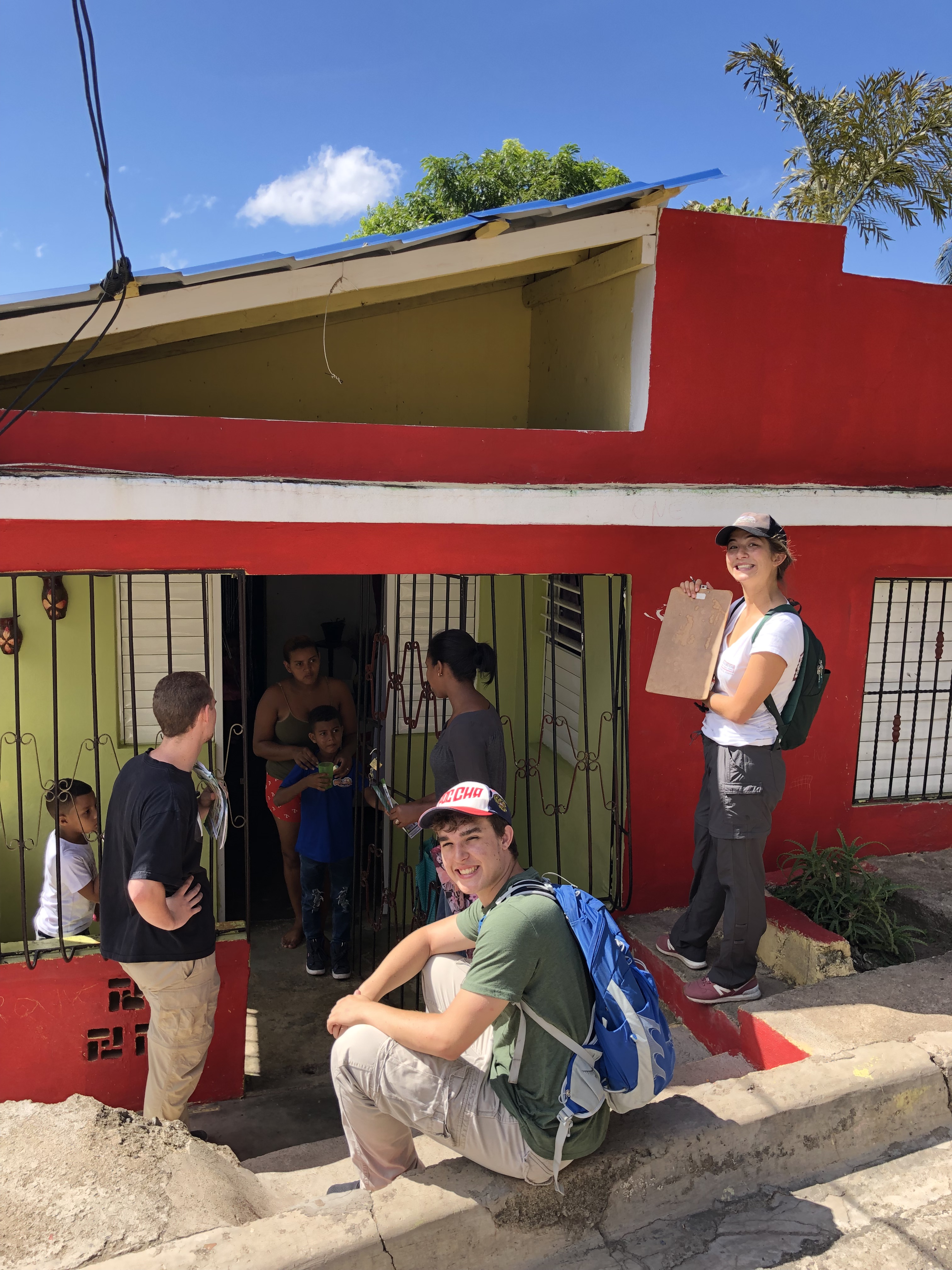
- Vector control awareness activities that teach families how to eliminate breeding sites around their homes
- Support for community-level distribution and education around insecticide-treated nets and other preventive tools
- Observation of how local clinicians diagnose and manage malaria and dengue cases in resource-limited settings
- Participation in outreach that reaches populations, young children, pregnant women, remote households, at highest risk
None of this is glamorous work. It is methodical, relational, and essential — the kind of public health effort that does not make headlines but determines whether a community's most vulnerable members survive a rainy season.
How Climate Change Is Expanding Mosquito-Borne Disease Risk
Climate change is amplifying the burden of vector-borne disease in ways that health systems were not designed to absorb. Flooding generates extensive temporary breeding habitats, fueling mosquito population surges. Shifting temperatures expand the geographic range of disease vectors into areas that were previously low-risk.
For pre-med, nursing, and public health students, this adds a dimension to vector-borne disease that goes beyond microbiology and into systems thinking. The dengue cases appearing in highland Peru are not a mystery — they are a predictable consequence of environmental change intersecting with inadequate infrastructure and health literacy. Understanding that intersection is foundational to effective global health practice.
FIMRC volunteers who work in malaria-endemic Uganda or dengue-affected Peru carry that understanding home. They return knowing not just what these diseases are, but how the conditions that enable them are built — and what it takes to dismantle them community by community.
August 20 Is a Reminder, Not a Solution
World Mosquito Day was created to spread awareness about the cause and prevention of mosquito-borne disease, and that mission remains as urgent in 2026 as it was when Ross made his discovery in 1897.
But awareness without action stops at the clinic door.
The communities FIMRC serves need people willing to go further — into homes, schools, and community gatherings where the education that drives behavior change actually happens. If you are a student or healthcare professional ready to contribute to that work while developing the kind of global health experience that shapes careers, this is where it begins.
FAQ SECTION
What is World Mosquito Day and why is it observed on August 20?
World Mosquito Day is observed annually on August 20 to commemorate the 1897 discovery by Sir Ronald Ross that female Anopheles mosquitoes transmit malaria. Ross later received the Nobel Prize in Medicine for this finding, which transformed the understanding and prevention of one of humanity's oldest diseases. The day raises awareness about mosquito-borne diseases including malaria, dengue, Zika, chikungunya, and yellow fever, and promotes community-level prevention and control measures.
What is the difference between malaria and dengue, and where does each occur?
Malaria is caused by Plasmodium parasites transmitted by female Anopheles mosquitoes, and is most prevalent in Sub-Saharan Africa — including Uganda, where FIMRC operates. Dengue is a viral disease transmitted by Aedes aegypti mosquitoes, widespread across tropical and subtropical Latin America including Peru. Both diseases share symptoms including fever and fatigue, making early diagnosis critical, and both place disproportionate burden on low-resource communities with limited healthcare access.
How do FIMRC volunteers contribute to vector-borne disease prevention?
FIMRC volunteers work alongside local healthcare teams in community health settings, supporting education campaigns on disease recognition and prevention, vector control awareness, outreach to high-risk populations including children and pregnant women, and observation of how local clinicians diagnose and manage malaria and dengue cases with limited resources. Volunteers do not replace clinical staff — they extend the community reach of health systems that cannot stretch far enough on their own.
Why is climate change making vector-borne disease harder to control?
Rising temperatures and increasing rainfall variability expand the geographic range of disease vectors like Aedes aegypti and Anopheles mosquitoes into areas previously considered low-risk. El Niño events have driven dengue surges of over 130% in Peru, and flooding creates breeding habitat that overwhelms vector control programs. As climate patterns shift, communities that lacked historical exposure to these diseases are increasingly vulnerable — without the health infrastructure or community knowledge to respond.
Is it safe to volunteer in malaria-endemic areas like Uganda?
With appropriate prophylaxis, protective measures, and preparation, volunteering in malaria-endemic settings is manageable and undertaken routinely by global health volunteers worldwide. FIMRC provides orientation and guidance on health precautions, and volunteers work within structured programs alongside experienced local health teams. Prospective volunteers should consult a travel medicine specialist and follow CDC and WHO recommendations for their specific destination.
What is the best global health volunteer program for pre-med students?
The strongest programs for pre-med students combine clinical observation with real community health work — not just shadowing, but participation in outreach, education campaigns, and prevention efforts alongside local healthcare teams. FIMRC's GHVP is built around this model across Uganda, Peru, Costa Rica, and Ecuador, giving pre-med volunteers exposure to both clinical practice and the public health systems that determine patient outcomes long before someone reaches a hospital.
How much does it cost to volunteer abroad in public health?
Costs vary by program length, country, and what's included (housing, meals, in-country support, orientation). Visit FIMRC's program pages for current pricing by location, or contact the volunteer team directly for a full breakdown.
Want your questions on volunteering abroad answered quicker? Book a quick call with our team!
Stay connected with news and updates!
Join our mailing list to receive the latest news and updates from our team.
Don't worry, your information will not be shared.
We hate SPAM. We will never sell your information, for any reason.
