
World Food Day 2026 in Anconcito Ecuador and the Families Behind the Fights Against Child Malnutrition
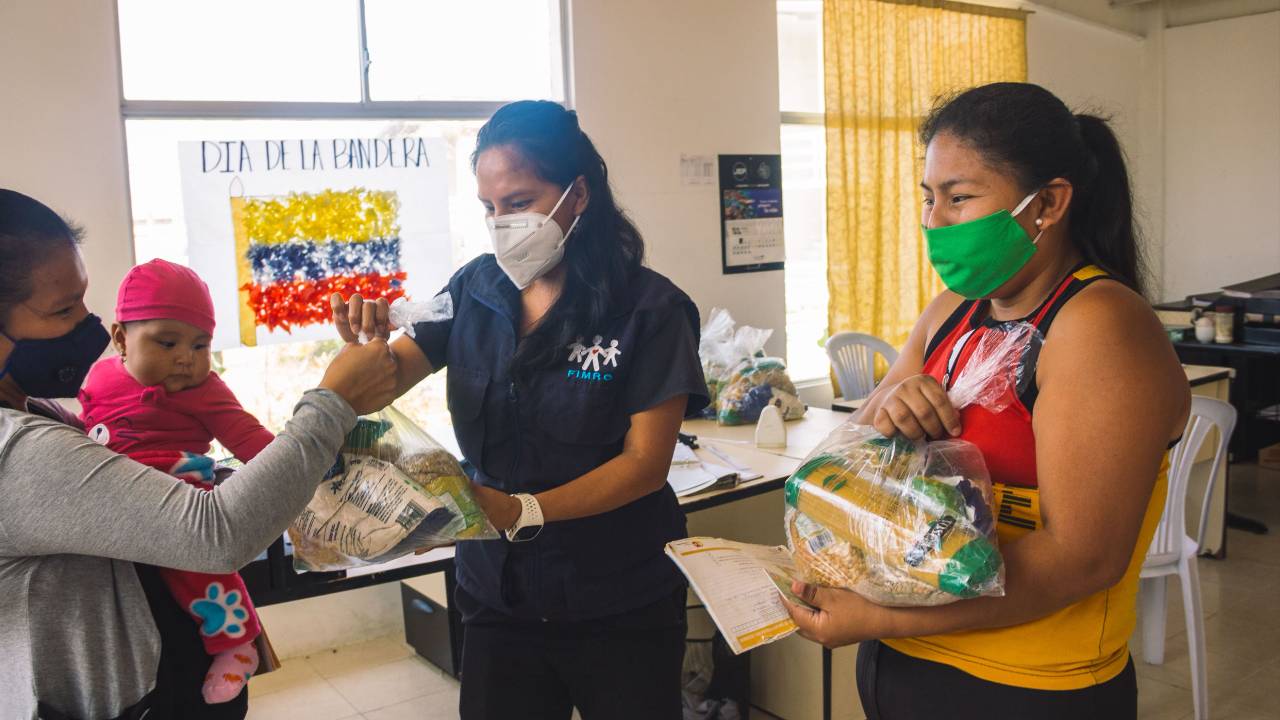
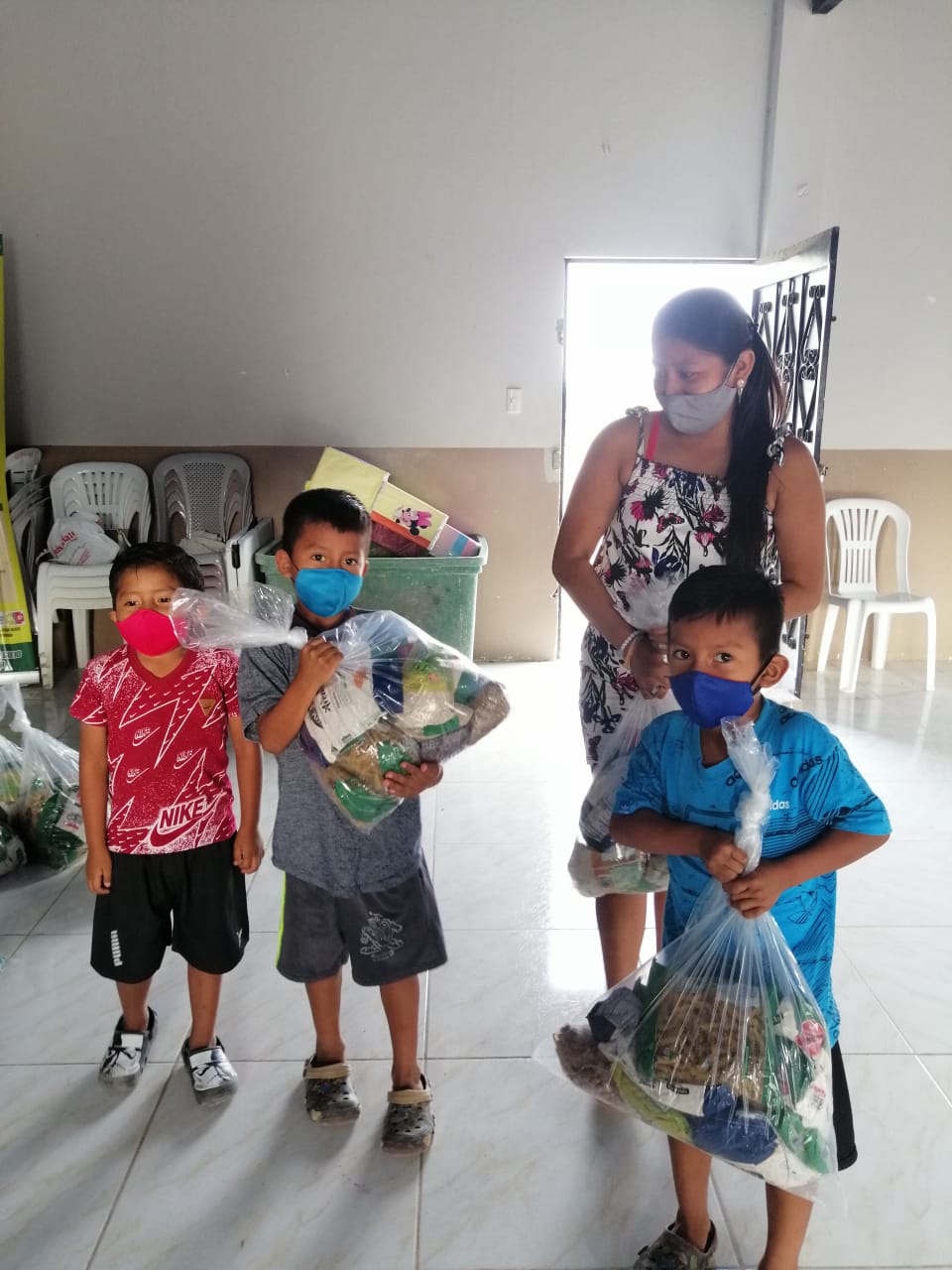
Oct 16, 2026Every month, 72 families in Anconcito, Ecuador receive a food kit. For a household stretching a small income to feed growing kids, that kit can mean a fuller table for days.
The kits come from Toscana, a partner company that has supported FIMRC Ecuador's work in the community for eight years. And they're one small piece of a much bigger effort to make sure the children of this coastal fishing town get the nutrition they need to grow.
On October 16, the world marks World Food Day. In Anconcito, the work behind it happens all year long.
Why World Food Day Matters for Children
World Food Day, led by the Food and Agriculture Organization of the United Nations (FAO), marks the day FAO was founded in 1945. Its message is simple: everyone deserves enough safe, nutritious food.
The world is still far from that goal. Around 673 million people faced hunger in 2024, according to FAO's State of Food Security and Nutrition in the World report. Children feel the effects most. When a child doesn't get enough of the right foods early in life, it can affect how they grow, learn, and fight off illness for years.
In Ecuador, chronic child malnutrition remains one of the country's biggest public health challenges. Nearly one in five children under two (19.3%) is affected, according to the latest results of the National Survey on Child Malnutrition (ENDI) from Ecuador's national statistics institute (INEC). Anemia is another quiet problem. Worldwide, it affects about 40% of children between six months and five years old (WHO), often without families realizing it.
Child Malnutrition in a Coastal Ecuador Community
Anconcito sits on Ecuador's Pacific coast, in the province of Santa Elena. Between 14,000 and 19,000 people live here, and 48% of them are younger than 20. Fishing has shaped the town for generations. Incomes tied to the sea can rise and fall with the catch, and that uncertainty often reaches the kitchen table.
Child malnutrition is one of the top health challenges FIMRC's team sees in Anconcito, alongside chronic diseases like diabetes and hypertension, and teenage pregnancy. In a town this young, what kids eat today shapes the health of the whole community for decades.
How FIMRC Supports Family Nutrition in Anconcito
FIMRC Ecuador's nutrition work starts with the whole family. Through its family nutrition programs, the local team runs child nutrition check-ups and anemia screening, so problems get caught early instead of showing up later as illness or slowed growth.
Nutrition also travels. Mobile clinic days and home visits bring care to families who can't easily make it to a health facility. During community health campaigns, like the one in March 2026 that reached 588 people across five neighborhoods, nutrition services sit right alongside medical consultations and dental care.
Health education ties it all together. A check-up can flag a problem, but practical guidance on feeding kids well with the foods families can actually get is what helps change stick.
How Toscana Helps Fight Hunger in Anconcito
Community health work runs on partnerships, and Toscana has been a steady partner behind FIMRC Ecuador's work for eight years.
When the partnership began, Toscana donated 24 food kits a month. Three years ago, it tripled that commitment. Today, Toscana donates 72 kits of basic food staples every month for vulnerable families in Anconcito. That steady support matters. Hunger doesn't take a month off, and families can count on help arriving again next month.
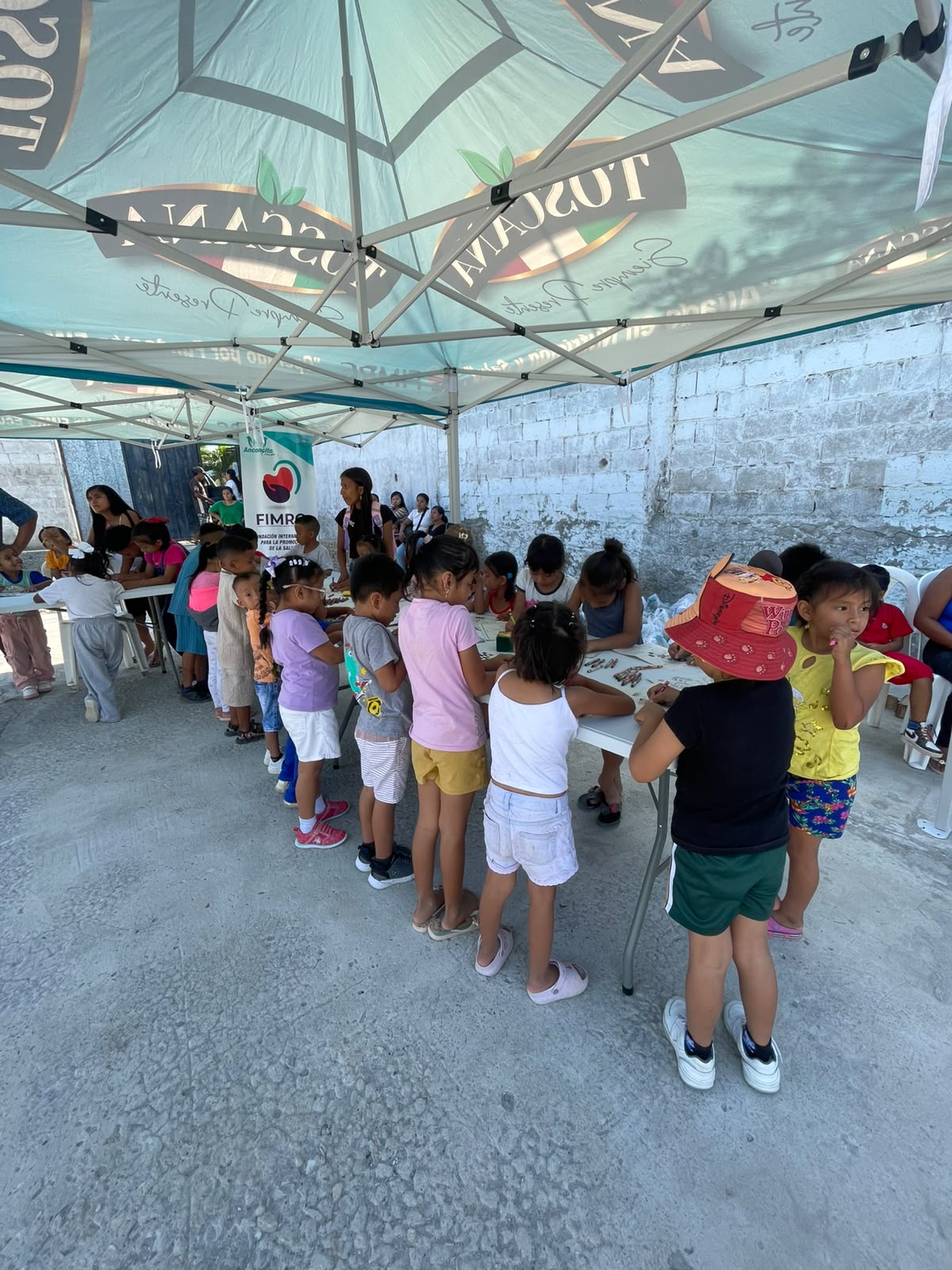
This year, Toscana also donated equipment that makes health campaigns possible: three tents, four folding tables, and 24 chairs. Those may sound like small things. For a team that sets up care in a different neighborhood each day, they turn an open patch of ground into a working health station where families can wait in the shade, sit down for a consultation, and get the care they came for.
Partners like Toscana show what's possible when businesses invest in the health of the people around them.
Volunteer in Ecuador and Support Child Nutrition Programs
Volunteers in FIMRC's Global Health Volunteer Program in Ecuador join the local team in Anconcito for one to two weeks, any time of year. Working under the guidance of local healthcare professionals, they can support:
- Family nutrition programs, including child nutrition check-ups and anemia screening
- Mobile clinic days and home visits
- Health education for families and young people
- Community health campaigns that bring care into different neighborhoods
Volunteers observe, assist, educate, and support based on their skill level, in roles designed so they add to local work without replacing it. You don't need prior clinical experience to take part. For pre-health and public health students looking for a global health volunteer experience, it's a close look at how food, income, and health connect in real life.
Food Security in Ecuador Is Built Every Month
World Food Day comes once a year. In Anconcito, the work happens every month: a food kit on the table, a child's growth checked, a parent leaving a health talk with one more idea for a nourishing meal.
None of it happens alone. It takes the families of Anconcito, FIMRC Ecuador's local team, volunteers who show up to help, and partners like Toscana who keep showing up too.
If you want to volunteer abroad and be part of that work, explore FIMRC's volunteer program in Ecuador. You can also help keep nutrition programs like these going by donating to FIMRC.
Frequently Asked Questions About World Food Day and Volunteering in Ecuador
When is World Food Day?
World Food Day is observed every year on October 16. It's led by the Food and Agriculture Organization of the United Nations (FAO) and marks the date FAO was founded in 1945.
How common is child malnutrition in Ecuador?
Nearly one in five children under two in Ecuador (19.3%) is affected by chronic malnutrition, according to the latest National Survey on Child Malnutrition (ENDI) from Ecuador's national statistics institute (INEC). It's one of the country's biggest public health challenges.
What is FIMRC doing about child malnutrition in Anconcito, Ecuador?
In Anconcito, FIMRC Ecuador runs family nutrition programs that include child nutrition check-ups and anemia screening. The team also offers health education, mobile clinic days, home visits, and nutrition services during community health campaigns.
How does Toscana support FIMRC in Ecuador?
Toscana, a partner company that has supported FIMRC Ecuador for eight years, donates 72 kits of basic food staples every month for vulnerable families in Anconcito, up from 24 kits a month when the partnership began. This year, it also donated three tents, four folding tables, and 24 chairs that help FIMRC Ecuador set up health campaigns in the community.
Can I volunteer in Ecuador without medical experience?
Yes. FIMRC's Global Health Volunteer Program in Ecuador doesn't require prior clinical experience. Volunteers work alongside local healthcare professionals for one to two weeks, and the program is open all year.
How can I help families facing hunger in Ecuador?
You can join FIMRC's Global Health Volunteer Program in Ecuador to support nutrition and community health work in Anconcito, or donate to FIMRC to help keep programs like these running.
Want your questions on volunteering abroad answered quicker? Book a quick call with our team!
Stay connected with news and updates!
Join our mailing list to receive the latest news and updates from our team.
Don't worry, your information will not be shared.
We hate SPAM. We will never sell your information, for any reason.
