Is It Safe to Volunteer Abroad? A Parent's Guide
Nov 06, 2026Your son or daughter just told you they want to spend their break volunteering at a clinic in Peru, Ecuador, or Costa Rica. You're proud. You're also already wondering where they'll sleep, who will be with them, and what happens if they get sick.
Those are exactly the right questions to ask. The short answer is that volunteering abroad can be a safe, well-supported experience when it happens through a structured program with appropriate preparation. No trip anywhere comes with zero risk, but a good program reduces risk at every step, from the paperwork before departure to the people your child works beside every day.
This guide walks through how FIMRC's Global Health Volunteer Program supports volunteers, what you can do to help your child prepare, and the questions worth asking any program before you say yes.
How FIMRC Supports Volunteers on the Ground
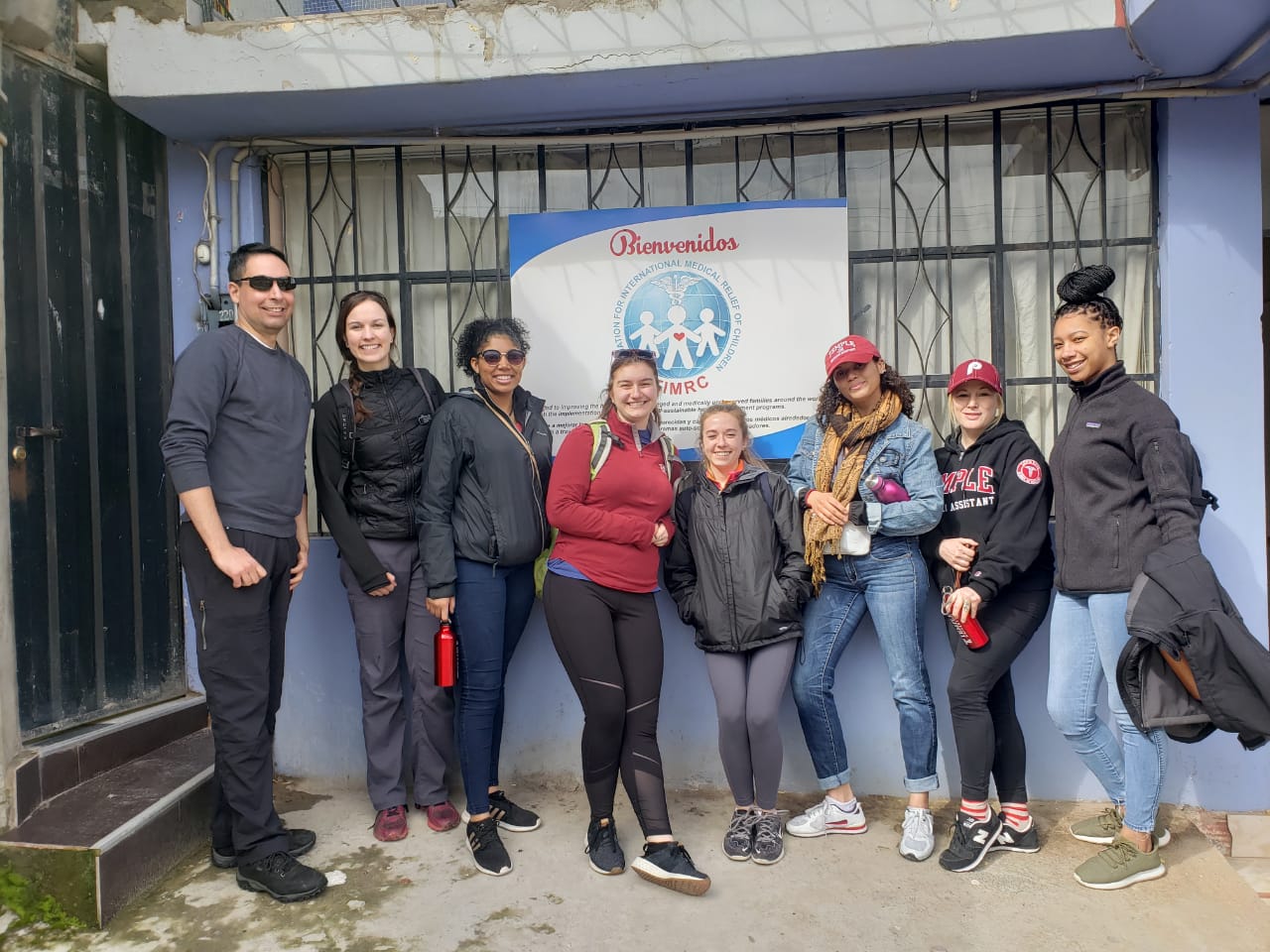
The biggest safety factor in any volunteer program is who's there with your child. At FIMRC, every site is staffed by trained local healthcare professionals who run health programs all year, with or without volunteers. These aren't temporary hires. They know the community, the language, the local health system, and the area.
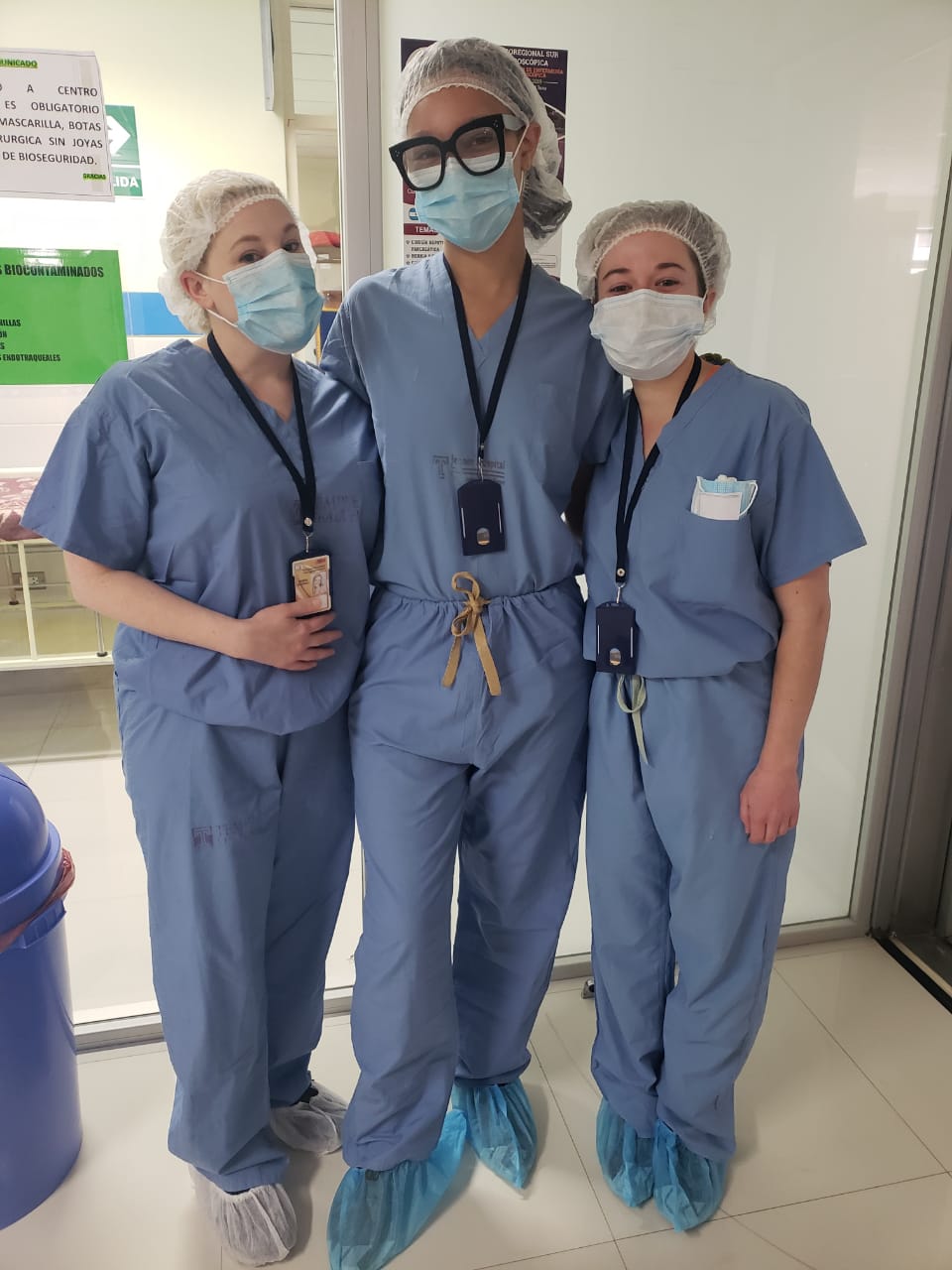
Volunteers aren't left to figure things out on their own. They get daily mentorship from local clinicians and public health teams, and they work in structured roles matched to their skill level. That structure matters for safety, and it matters for ethics too: volunteers observe, assist, educate, and support, but they don't take on tasks that belong to trained professionals.
Throughout the trip, volunteers have a FIMRC emergency contact they can reach at any hour. If a volunteer gets sick or needs medical attention, the FIMRC team takes them to a nearby clinic to be seen by medical professionals. Afterward, the volunteer files a reimbursement claim with the travel insurance included in the program.
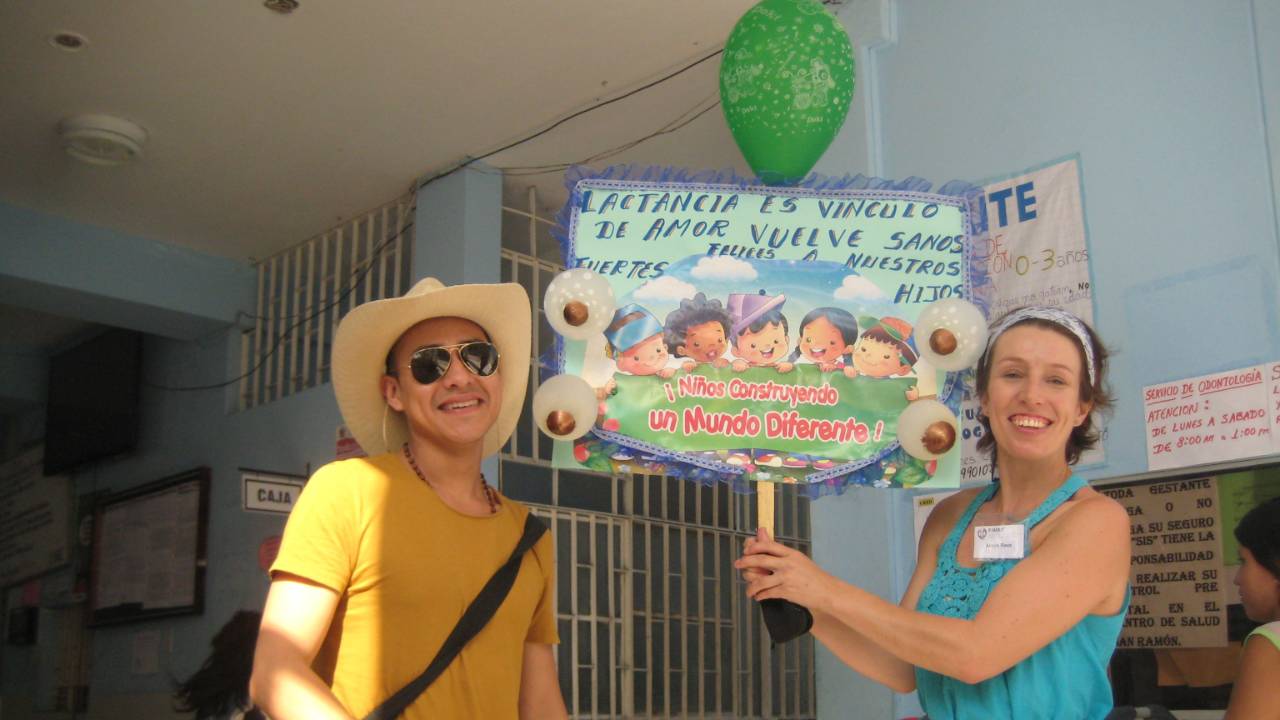
Each site has its own setting. In Peru, volunteers work in Huancayo, a city in the Andean highlands. In Ecuador, they work in Anconcito, a fishing town on the Pacific coast. In Costa Rica, they work at FIMRC's clinic in Alajuelita, just outside San José.
Where Volunteers Live, Eat, and Travel Each Day
Volunteers stay in homestays with local host families. Every family goes through a selection process, and many have been hosting FIMRC volunteers for years. For many parents, that's one of the most reassuring parts of the program. Your child isn't alone in a hostel. They're living with a family that knows the neighborhood, shares meals with them, and becomes part of their daily routine.
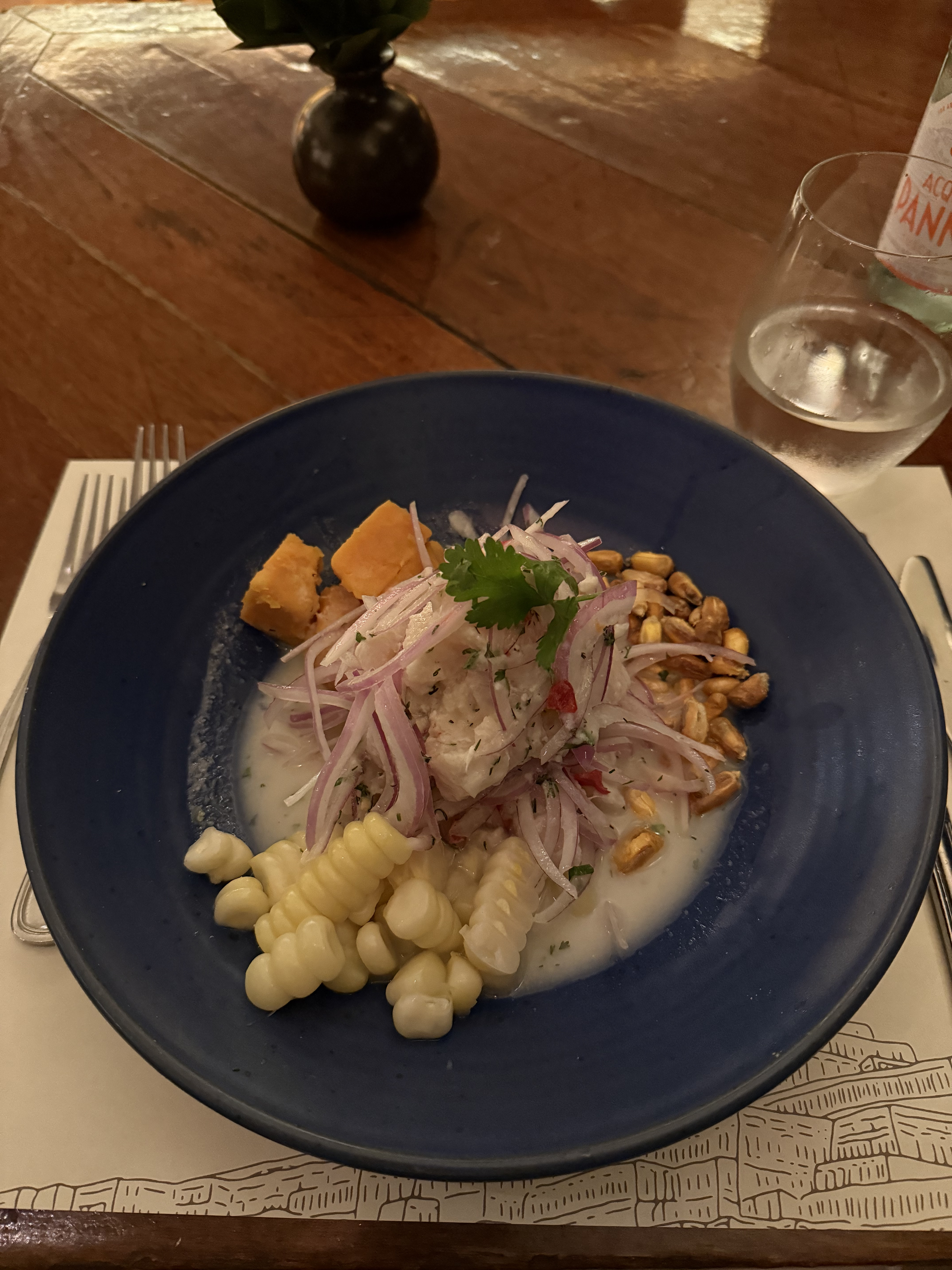
Three meals a day are included. Before the trip, volunteers fill out a profile that covers allergies, dietary restrictions, and roommate preferences, so the team can plan around them.
Transportation is handled too. FIMRC covers round-trip transportation between the airport and the site, as well as transportation to and from program activities. Your child won't need to navigate an unfamiliar city on their own just to get to the clinic or a community health campaign. Some of the health centers and hospitals where volunteers work are farther from their homestays, and that's by design: those settings show volunteers how healthcare really works in the community, and FIMRC handles the trip there and back.
How Volunteers Prepare Before They Travel
Good preparation starts months before the flight. FIMRC walks volunteers through it step by step, and the timeline gives families plenty of room to plan.
- Three to six months before: Volunteers choose their site and dates and secure their spot with a registration deposit.
- About one month before: Volunteers complete their profile, including emergency contacts, medical conditions, allergies, dietary needs, flight itinerary, and travel documents.
- One to two weeks before: Volunteers receive their travel insurance documents and a pre-departure package with a packing list. Travel insurance is included in the program.
Before they leave, volunteers also attend a pre-departure orientation, and FIMRC provides materials that explain the site, the community, the volunteer's role, and the cultural context, so your child knows what to expect before they arrive.
There are also a few things worth doing as a family. Schedule a visit with a travel medicine provider or your family doctor to talk about vaccines and any medications your child might need, and check the CDC's travel health page for their destination. If your child is headed to Huancayo, ask about altitude, since the city sits high in the Andes. Finally, review the U.S. State Department's travel advisories and enroll your child's trip in the free Smart Traveler Enrollment Program (STEP), so the nearest U.S. embassy can reach them in an emergency.
Questions to Ask Before Your Child Volunteers Abroad
Whether you're looking at FIMRC or another organization, these questions will tell you a lot about how seriously a program takes volunteer safety and wellbeing.
- Who supervises volunteers day to day? At FIMRC, local healthcare professionals guide volunteers every day, in roles matched to their skill level, and volunteers have an emergency contact they can reach at any hour.
- Where will my child stay? FIMRC volunteers live in homestays with host families who go through a selection process, many of whom have worked with FIMRC for years.
- Is travel insurance included? It is with FIMRC. Volunteers receive their insurance documents before departure.
- How will my child get from the airport to the site? FIMRC provides round-trip airport transportation and transportation to program activities.
- Does the program have a permanent presence in the community? FIMRC's sites run health programs year-round with local staff, so volunteers join an established team rather than a one-time project.
- What will my child actually do? Look for clear, structured roles. A good program won't ask an untrained student to perform procedures beyond their skill level.
- What happens before departure? FIMRC provides a pre-departure orientation, orientation materials, a pre-departure package, and step-by-step help with forms and logistics.
If a program can't answer these clearly, that tells you something too.
How to Stay in Touch While Your Child Is Away
A little planning before the trip makes the time apart much easier for everyone.
Make sure you're listed as an emergency contact in your child's volunteer profile, so FIMRC knows exactly who to reach. Ask your child to share their flight itinerary with you, and agree on a simple check-in routine, like a quick message when they land and a call once or twice a week.
Homestays have WiFi, so messages and video calls are easy to keep up. For time away from the house, check that your child's phone will work abroad, whether through an international plan, a local SIM card, or an eSIM. It's also smart to keep a photo or copy of their passport at home, just in case.
If you have questions before departure, FIMRC's team is reachable at [email protected].
And then, try to let them have the experience. Some of the most meaningful moments happen when volunteers are fully present with their host family and the people they're serving.
Helping Your Child Take the Next Step
Worrying about your child traveling abroad is natural. It means you're asking the right questions. The answers come down to preparation, structure, and the people on the ground, and those are the things a strong program builds into every trip.
Many students come home from a volunteer trip clearer about their future in healthcare, more confident with patients from different backgrounds, and more aware of how health works in communities with fewer resources. With the right program and the right preparation, you can feel good about helping them get there.
Learn more about FIMRC's programs in Peru, Ecuador, and Costa Rica, or explore the full Global Health Volunteer Program together with your child.
Frequently Asked Questions From Parents
Is it safe for my college student to volunteer abroad?
With appropriate preparation and a structured program, volunteering abroad can be a safe and well-supported experience. FIMRC volunteers work under the guidance of trained local healthcare professionals, live with host families, receive transportation, meals, and travel insurance as part of the program, and have a FIMRC emergency contact they can reach at any hour.
Who supervises volunteers during a FIMRC trip?
Each FIMRC site is staffed by trained local healthcare professionals who run health programs year-round. Volunteers receive daily mentorship from local clinicians and public health teams and work in structured roles matched to their skill level. Volunteers also have a FIMRC emergency contact they can reach at any hour.
Where do FIMRC volunteers stay?
FIMRC volunteers stay in homestays with local host families who go through a selection process, many of whom have hosted FIMRC volunteers for years. Homestays have WiFi, three meals a day are included, and volunteers can share allergies, dietary restrictions, and roommate preferences in their volunteer profile before the trip.
Is travel insurance included in FIMRC's volunteer program?
Yes. Travel insurance is included in FIMRC's Global Health Volunteer Program. Volunteers receive their insurance documents one to two weeks before departure, along with a pre-departure package.
What vaccines does my child need to volunteer abroad?
Vaccine recommendations depend on the destination and your child's health history. Schedule a visit with a travel medicine provider or your family doctor well before departure, and check the CDC's travel health page for the specific country.
How far in advance should my child plan a volunteer trip abroad?
FIMRC recommends securing a site and dates three to six months before travel. That leaves time to complete the volunteer profile, arrange flights and travel documents, and schedule any health appointments.
What happens if my child gets sick while volunteering abroad?
If a volunteer gets sick, the FIMRC team takes them to a nearby clinic to be seen by medical professionals. Volunteers also have a FIMRC emergency contact they can reach 24 hours a day. Travel insurance is included in the Global Health Volunteer Program, and volunteers file a reimbursement claim with the insurer afterward, so it helps to keep all receipts and medical paperwork from the visit.
Want your questions on volunteering abroad answered quicker? Book a quick call with our team!
Stay connected with news and updates!
Join our mailing list to receive the latest news and updates from our team.
Don't worry, your information will not be shared.
We hate SPAM. We will never sell your information, for any reason.