
World Water Day: What Global Health Fellows Learn in Peru and Uganda
Mar 20, 2026Every March 22, the world observes World Water Day, a United Nations initiative to raise awareness about the global water crisis and accelerate action toward universal access to safe water and sanitation.
While often framed as an environmental issue, access to clean water is fundamentally a public health challenge.
In both Peru and Uganda — where FIMRC’s Summer International Health Fellowship (SIFH) takes place— water access remains one of the most pressing challenges facing vulnerable communities.
For fellows participating in the program, this issue is not something they only study in textbooks.
They witness it firsthand.
The Global Water Crisis by the Numbers
According to the World Health Organization and UNICEF Joint Monitoring Programme:
- 2.1 billion people lack access to safely managed drinking water worldwide
- Improving water, sanitation, and hygiene could save 1.4 million lives each year
- Nearly 1,000 children under five die daily from preventable causes linked to unsafe water, sanitation, and hygiene
These numbers represent more than global statistics. They reflect the lived realities of many communities that SIFH fellows work alongside during their fell
Water Access in Peru: A Persistent Divide
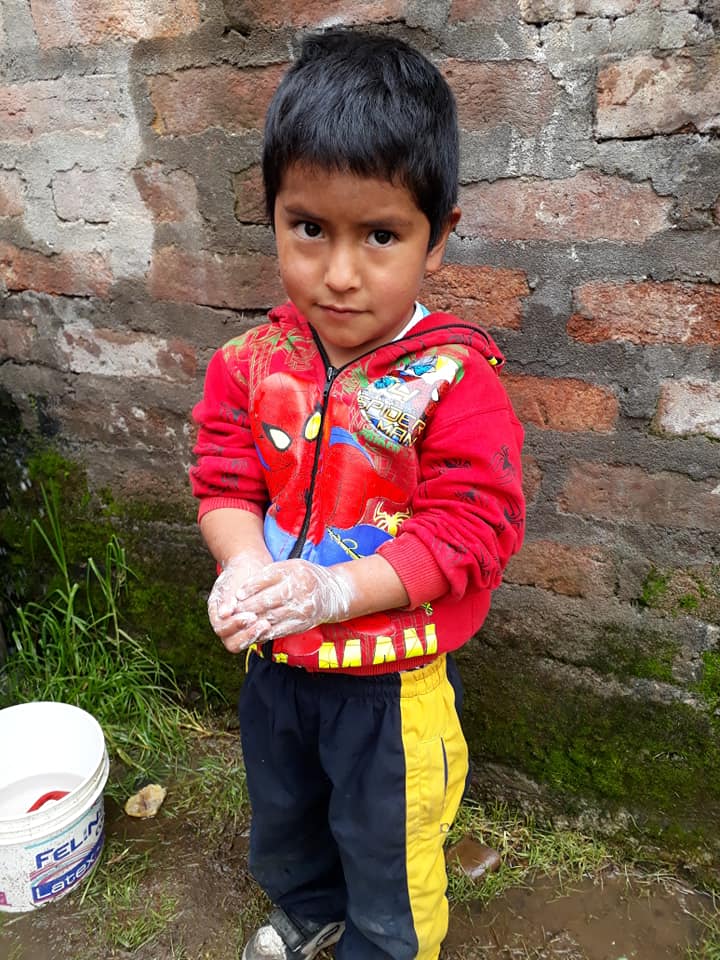
Peru is a country of stark contrasts when it comes to water.
Only about half of the population has access to safely managed drinking water, and fewer than half have safely managed sanitation services. The gap is most visible in rural and highland regions—areas where infrastructure challenges remain significant.
This is particularly relevant in Huancayo, where FIMRC’s project site operates in surrounding communities across the Andean highlands.
Across these regions:
- Millions of Peruvians rely on non-piped or alternative water sources
- Water access can be intermittent or untreated
- Sanitation infrastructure remains limited
The consequences go far beyond thirst.
Unsafe water contributes to diarrheal disease, childhood stunting, anemia, and school absenteeism. Women and children often carry the greatest burden, spending time collecting water and managing household health risks.
Water Access in Uganda: Rural Gaps and Waterborne Disease
In Uganda, the picture is equally challenging.
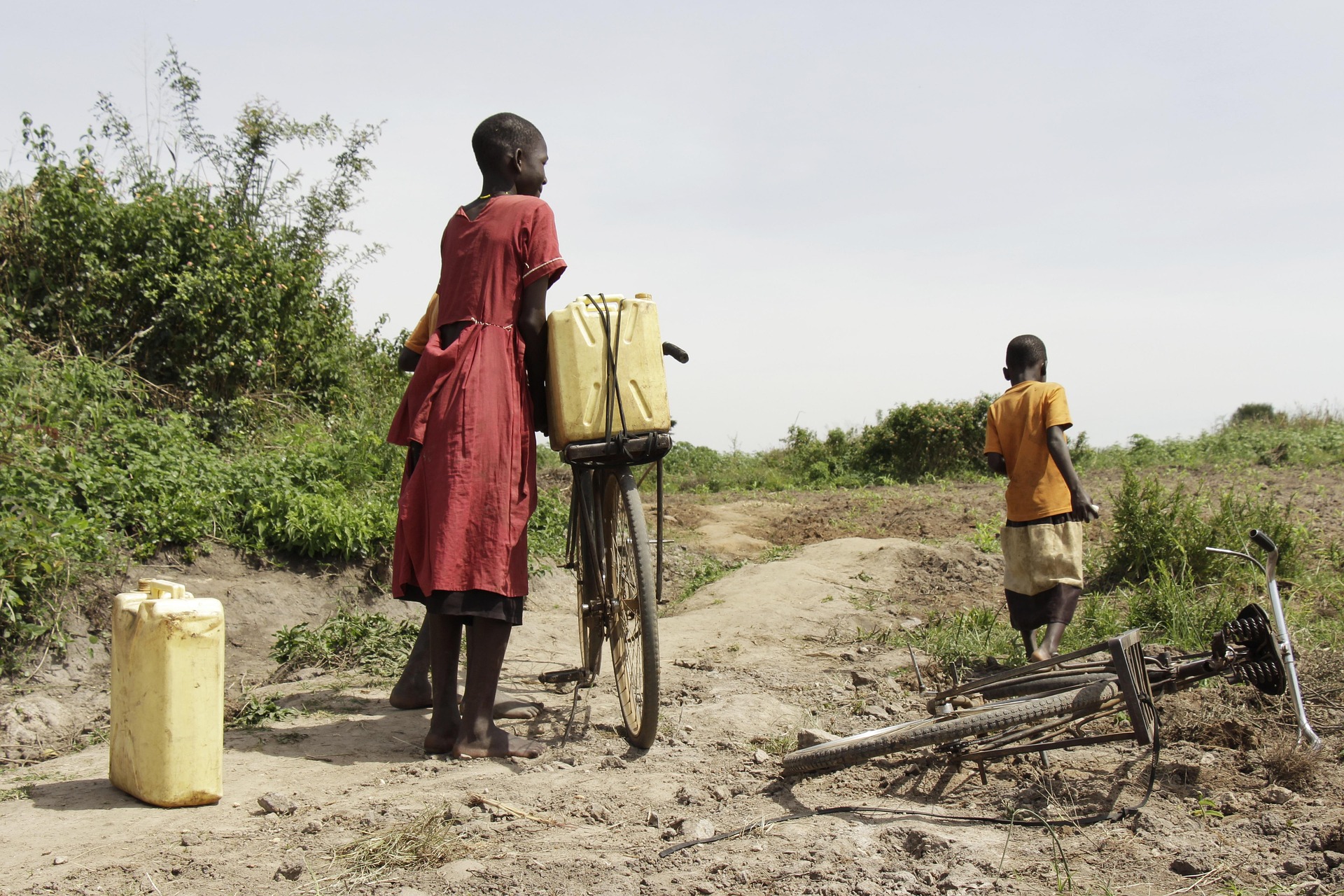
Poor sanitation and hygiene, along with unequal access to safe drinking water, make thousands of children sick every year. Diarrhea alone, one of three major childhood killers in Uganda, claims the lives of 33 children every day.
In Bududa, the rural district in eastern Uganda where FIMRC’s project site is located, healthcare providers operate in environments where water-related illness is a constant clinical reality. SIFH fellows who complete their fellowship here see firsthand how a single environmental factor, the quality of water a child drinks, can determine whether that child is in school or in a hospital bed.
WASH: The Week That Changes How Fellows See Health
FIMRC’s SIFH program is structured across four thematic weeks, each designed to build a layer of public health understanding. Week 2 is dedicated entirely to WASH: Water, Sanitation, and Hygiene, and it is one of the most transformative weeks of the fellowship.
During this week, fellows examine:
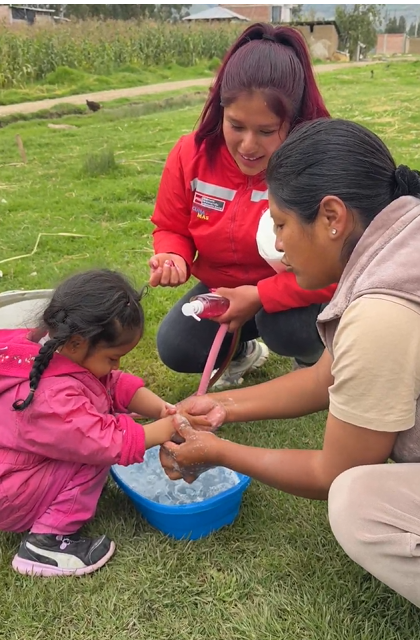
- Hygiene-related illness and its prevention at the community level
- Local water systems and the structural barriers to safe sanitation
- Environmental health risks associated with unsafe water sources
- Community hygiene practices and household-level behavioral change strategies
- The social and economic determinants that make water insecurity persistent
Rather than learning these concepts only through lectures, fellows engage directly with communities. They observe local water systems, speak with families, and work alongside health workers addressing hygiene-related illness.
By the end of the week, fellows do not just understand what WASH means.
They understand what happens when access to safe water fails.
From the Field: What Fellows Witness
The SIFH curriculum aligns with the United Nations Sustainable Development Goals, particularly Sustainable Development Goal 6: ensuring access to safe water and sanitation for all.
However, the world is currently not on track to meet this goal by 2030.
In both Peru and Uganda, fellows observe how this gap manifests in real clinical and community settings:
- Children presenting with preventable waterborne illnesses
- Families making difficult trade-offs between water quality and water cost
- Health workers managing disease burdens that better infrastructure would reduce
- Community programs working to change hygiene behaviors with limited resources
These experiences reinforce a central lesson of global health: health outcomes are shaped long before a patient enters a clinic.
Infrastructure, environment, and access to basic resources often determine whether illness occurs at all.
Why World Water Day Matters for Future Global Health Leaders
Healthcare today is inseparable from the environment in which it is practiced.
Future physicians, public health practitioners, and health policy advocates need to understand WASH not as a technical topic, but as a social determinant of health with profound clinical consequences. The communities most affected by water insecurity are the same communities that face the highest burden of infectious disease, malnutrition, and preventable death.
FIMRC’s SIFH program is designed to build that understanding, through direct exposure, guided reflection, and structured learning that connects field experience to global health frameworks. Fellows who complete the program leave with more than clinical observation hours. They leave with the perspective, cultural competence, and systems-level thinking that modern global health demands.
Join FIMRC’s Summer International Health Fellowship
World Water Day is a reminder that the health challenges shaping communities in Peru and Uganda require professionals who understand them from the inside, not just from a textbook.
If you are passionate about global health, public health, medicine, or international development, FIMRC’s Summer International Health Fellowship offers a structured, immersive, and academically grounded experience to deepen your understanding and advance your career.
Applications for the 2026 fellowship are open.
Learn more and apply here: www.fimrc.org
Want your questions on volunteering abroad answered quicker? Book a quick call with our team!
Stay connected with news and updates!
Join our mailing list to receive the latest news and updates from our team.
Don't worry, your information will not be shared.
We hate SPAM. We will never sell your information, for any reason.
