
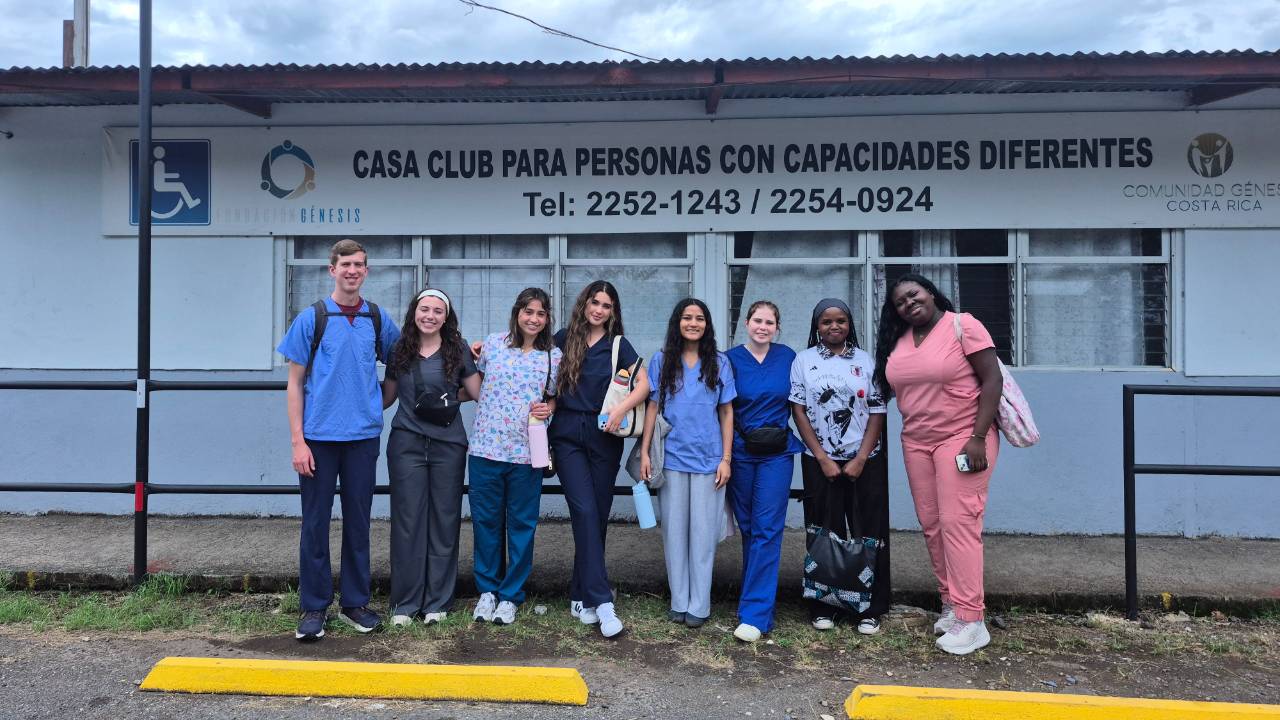
World Mental Health Day and the Mujeres Valientes of Alajuelita, Costa Rica
Oct 09, 2026By FIMRC Team
In Alajuelita, a community just outside San José, Costa Rica, a group of women sits down together every week and talks about the things most people keep to themselves. A hard marriage. A child who's struggling. A loss that never quite healed. Memories they've carried for years without saying out loud.
They call themselves Mujeres Valientes, which means "brave women." This year, 25 of them are part of the group. The club, led by the FIMRC Costa Rica team, has been meeting for eight years, and it's still going.
On October 10, the world marks World Mental Health Day. For the women of Mujeres Valientes, mental health is something they build together, one conversation at a time, every time they show up for each other.
Why World Mental Health Day Matters for Women
More than one billion people around the world are living with a mental health condition, according to the World Health Organization. Access to care remains uneven. In low- and middle-income communities, the gap between needing support and receiving it is especially wide.
Women carry a particular share of that weight. Depression is about 50% more common among women than among men (WHO). Nearly one in three women worldwide has experienced physical or sexual violence in her lifetime (WHO), and the emotional effects of that violence often last far longer than any physical injury.
Those numbers can feel abstract. In a community like Alajuelita, they have faces. They're mothers raising kids on very little, women caring for aging parents, and women who have lived through things they've never had a safe place to talk about. World Mental Health Day, observed every October 10, is a chance to remember that support for those women doesn't have to start in a hospital. Sometimes it starts in a circle of chairs.
Community Health in Alajuelita, Costa Rica
The community FIMRC serves in Alajuelita is home to about 12,500 people, many of them Nicaraguan refugees and Costa Rican families living in poverty. Most are women and their children. Daily life comes with real pressure: limited income, poor living conditions, a lack of clean water, and for many families, no access to Costa Rica's national healthcare system.
That's the kind of stress that doesn't stay physical for long. Worrying about rent, about work, about a sick child, has a way of settling into sleep, relationships, and how people feel about themselves.
FIMRC's project in Alajuelita responds with a primary care clinic that serves around 200 patients a month, a mobile clinic, women's health services like pap smears and breast exams, health education, and nutrition and cooking lessons. It also offers psychological services and support groups for people who are often pushed to the margins, including people with mental disabilities, survivors of domestic violence, and older adults. Mujeres Valientes grew out of that same commitment.
How a Women's Support Group Grew From Physical to Emotional Health
Mujeres Valientes started eight years ago with a focus on the body. The first step was a diagnosis of the physical health problems the women in the community were facing.
Over time, something shifted. As the women kept coming back, the conversations went deeper than blood pressure or aches and pains. They started talking about what was happening at home, about stress, about experiences that had stayed with them for years. Slowly, the club evolved into a space centered on emotional and psychological wellbeing.
That evolution matters. It's a sign of how closely physical and mental health are connected, and that people often need to trust a space before they'll talk about what really hurts. The women of Mujeres Valientes built that trust over years, and the group changed shape to meet them where they were.
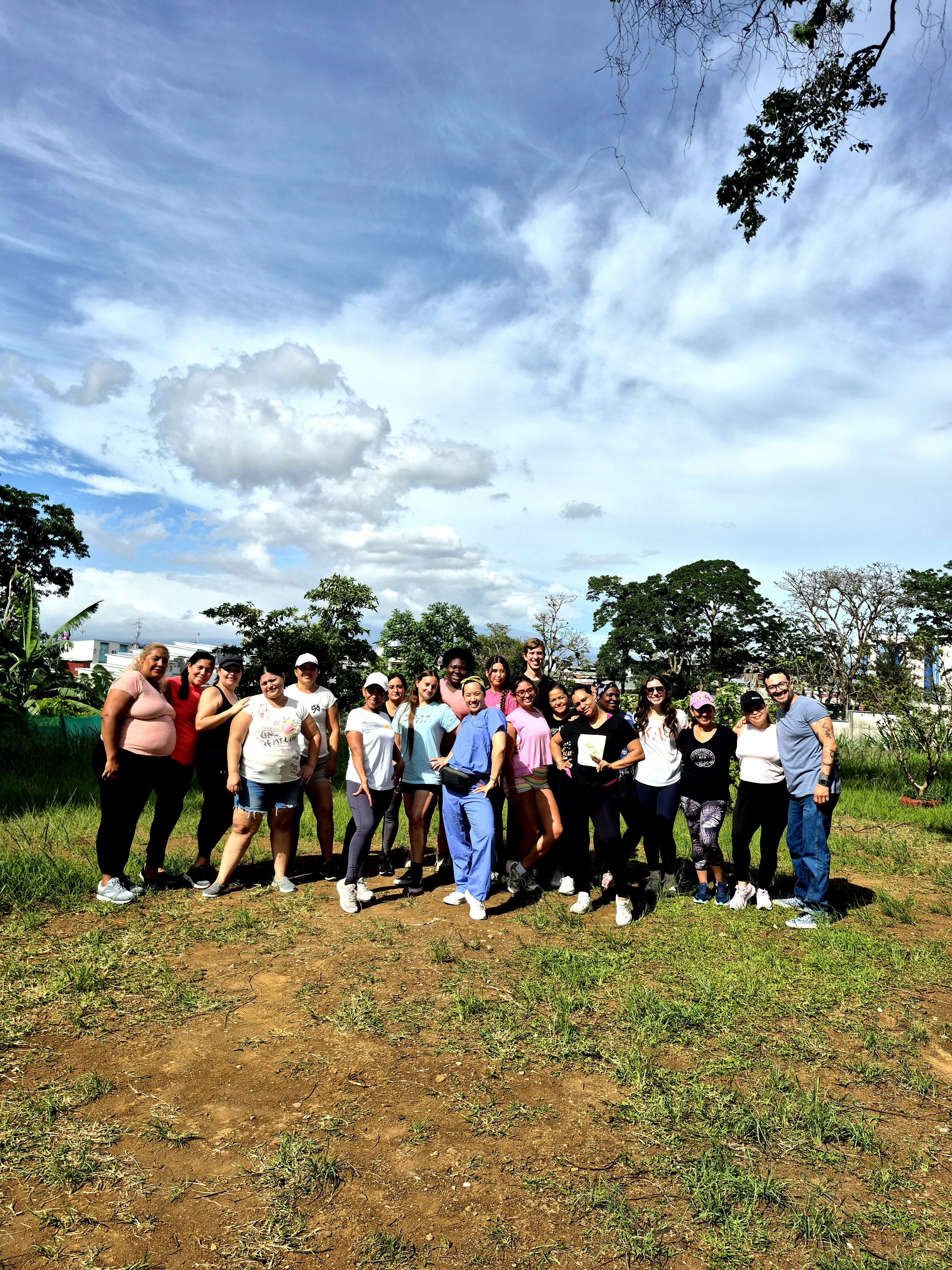
Inside the Mujeres Valientes Mental Health Workshops
The FIMRC Costa Rica team leads the workshops every week, and each session is built around group support. Each woman brings her own story, and the group holds space for it. They talk about everyday life, family problems, conflicts that are still unresolved, and past trauma they're working to make sense of.
This year, 25 women are taking part. For some, it may be the first place they've said certain things out loud. For women who have been part of the group longer, it may be a chance to help someone newer find her footing. Hearing another woman describe something you thought only you had lived through can be its own kind of relief.
Group support doesn't replace professional mental health care, and it isn't meant to. What it offers is connection, a sense of not being alone, and practical ways of working through conflict that the women carry back into their homes. For a community where many families can't easily reach the formal health system, that space counts for a lot.
What Global Health Volunteers Do in Costa Rica
Volunteers in FIMRC's Global Health Volunteer Program in Costa Rica join the local team in Alajuelita for one to two weeks, any time of year. If you want to volunteer in Costa Rica, this is a good place to start. They work under the guidance of local healthcare professionals, in structured roles that let them contribute without replacing the people who run these programs every day.
Depending on their skill level, volunteers observe, assist, educate, and support across the site's ongoing work, including:
- The primary care clinic and mobile clinic
- Health education activities in the community
- Women's health services
- Nutrition and cooking lessons
Volunteers also take part in and support the weekly Mujeres Valientes workshops alongside the FIMRC Costa Rica team. For students interested in mental health, that offers something valuable: a close look at how emotional wellbeing fits into community health, and why trust, consistency, and cultural understanding matter as much as any clinical skill. You don't need prior clinical experience to take part.
Mental Health Support That Lasts Beyond One Day
World Mental Health Day lasts 24 hours. Mujeres Valientes has lasted eight years. The difference says a lot about what real mental health support looks like: steady, patient, and rooted in relationships.
The women of Alajuelita have shown that healing can happen in a community, even where resources are limited. Every time one of them speaks up, she makes it a little easier for the next woman to do the same.
If you want to see how community health and mental health come together on the ground, explore FIMRC's volunteer program in Costa Rica. You can also support programs like Mujeres Valientes by making a donation to FIMRC.
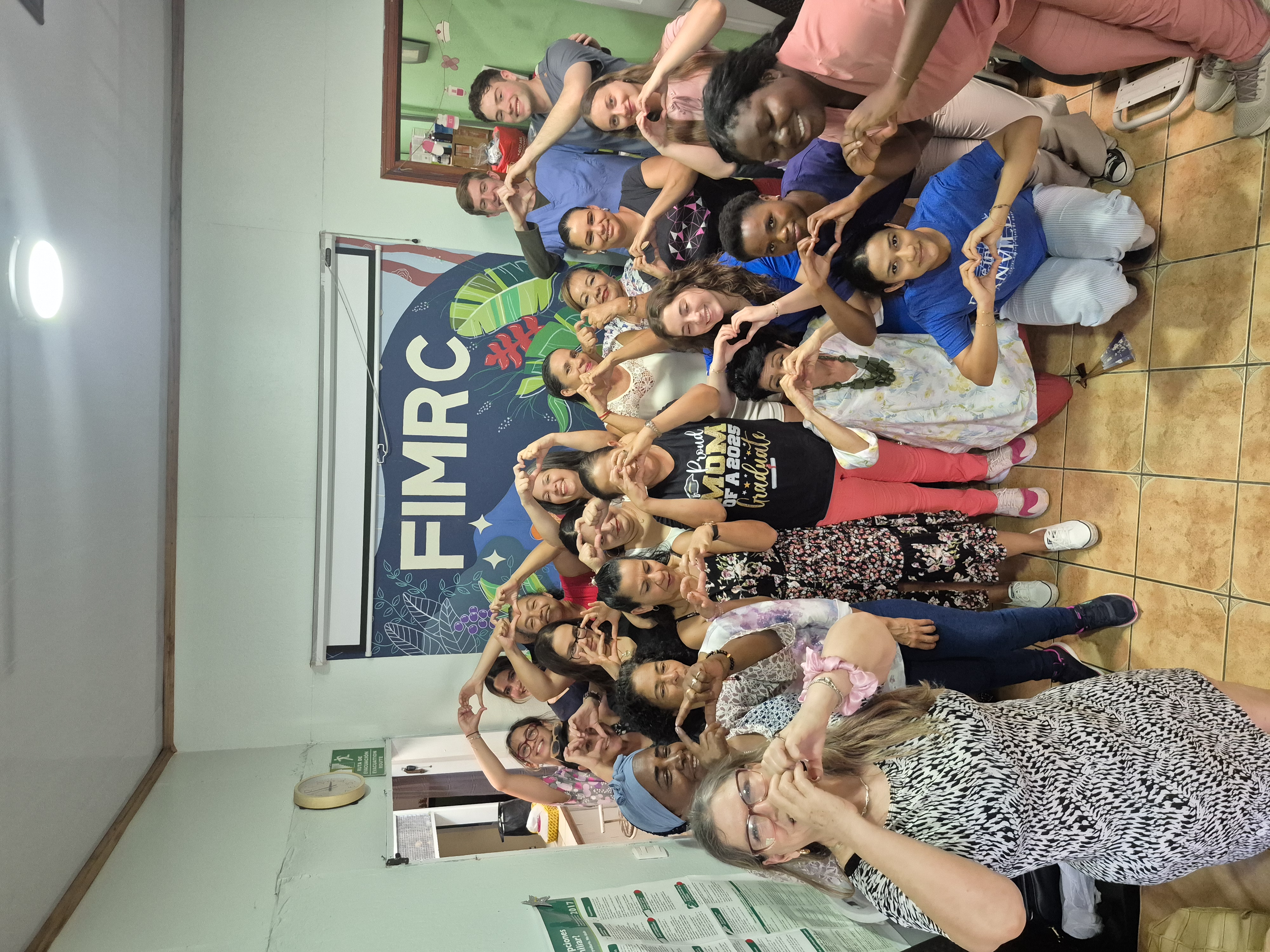
Frequently Asked Questions About World Mental Health Day
When is World Mental Health Day?
World Mental Health Day is observed every year on October 10. It was started by the World Federation for Mental Health and is supported by the World Health Organization as a day to raise awareness and push for better access to mental health care around the world.
What is the Mujeres Valientes group in Costa Rica?
Mujeres Valientes ("brave women") is a women's support group in Alajuelita, Costa Rica, that meets every week and is led by the FIMRC Costa Rica team. It started eight years ago with a focus on physical health and gradually evolved into a space for emotional and psychological support. This year, 25 women take part.
How common is depression among women?
According to the World Health Organization, depression is about 50% more common among women than among men. Experiences like violence, caregiving pressure, and poverty can all affect women's mental health.
Can a support group help with mental health?
Peer support groups can offer connection, a safe place to share experiences, and a sense of not being alone. They don't replace professional mental health care, but they can be an important part of community-based support, especially where formal services are hard to reach. If you or someone you know is in crisis in the U.S., you can call or text 988 to reach the Suicide & Crisis Lifeline.
Can I volunteer in Costa Rica without medical experience?
Yes. FIMRC's Global Health Volunteer Program in Costa Rica doesn't require prior clinical experience. Volunteers work alongside local healthcare professionals for one to two weeks, and the program is open all year.
What do FIMRC volunteers do in Costa Rica?
In Alajuelita, volunteers support the local team across the primary care clinic, the mobile clinic, health education, women's health services, nutrition and cooking lessons, and the weekly Mujeres Valientes support group. Depending on skill level, they observe, assist, educate, and support, always under the guidance of local professionals.
Want your questions on volunteering abroad answered quicker? Book a quick call with our team!
Stay connected with news and updates!
Join our mailing list to receive the latest news and updates from our team.
Don't worry, your information will not be shared.
We hate SPAM. We will never sell your information, for any reason.
