
When Animal Health Is Human Health: Zoonoses and Global Volunteering
Jul 10, 2026On July 6, 1885, a nine-year-old boy named Joseph Meister was brought to Louis Pasteur's laboratory in Paris. He had been bitten fourteen times by a rabid dog. Without intervention, the outcome was almost certain.
Pasteur administered an experimental vaccine. The boy survived.
That moment, a scientist, a child, a disease that crossed from animal to human, is what World Zoonoses Day commemorates every July 6. But 141 years later, the story it tells is not one of triumph. It is one of ongoing urgency.
Nearly 60% of infectious diseases in humans originate from animals, while around 75% of emerging infectious diseases are zoonotic in nature. COVID-19. Ebola. Avian influenza. Monkeypox. Every one of them began at the intersection of animal and human worlds — an intersection that is widening as deforestation, climate change, and intensified agriculture push humans and wildlife into closer contact.
In the communities where FIMRC operates, that intersection is not a policy abstraction. It is daily life.
The Risk Is Not Evenly Distributed
Due to their closer human-animal-environment interface, farmers, hunters, and communities in biodiversity hotspots are vulnerable to zoonotic pathogens. Unfortunately, these communities frequently lack access to healthcare, disease surveillance, and essential information about zoonoses.
That description fits, almost precisely, the communities FIMRC serves in Peru, Costa Rica, and Ecuador.
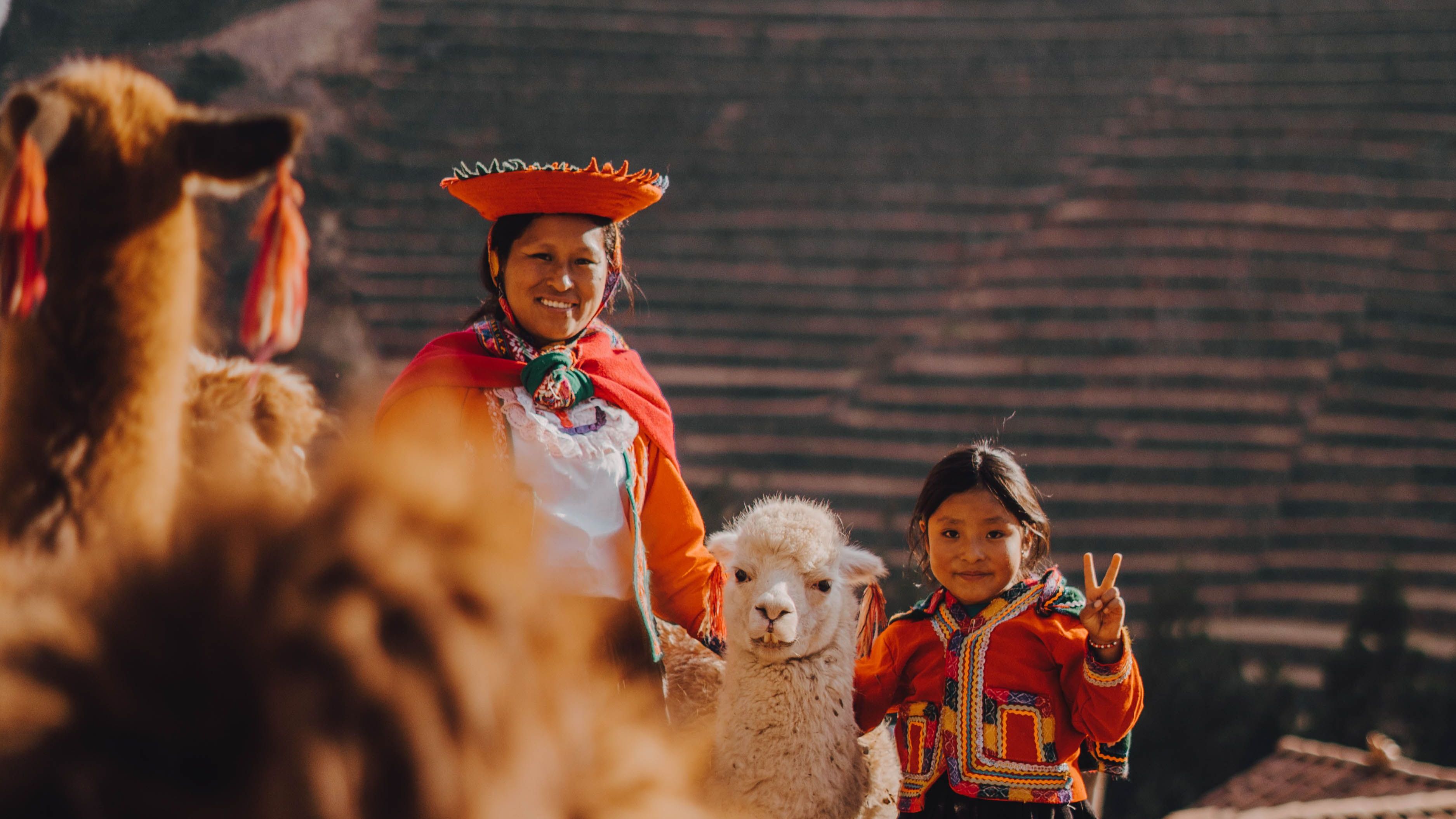
In the Andean highlands around Huancayo, Peru, families live and work in close proximity to livestock, guinea pigs, cattle, and poultry raised for food and income. In rural Costa Rica and Ecuador, agricultural communities navigate landscapes shared with wildlife, and food safety infrastructure is inconsistent at best. Since 2023, highly pathogenic avian influenza has affected poultry, wild birds, mammals, and even humans in 16 countries across Latin America and the Caribbean, a regional outbreak that underscores exactly how real the zoonotic risk is in the areas where FIMRC's volunteers work.
The burden of these diseases falls heaviest on the communities least equipped to detect and respond to them.
One Health: The Framework That Makes Sense Here
World Zoonoses Day supports the One Health framework, a partnership among health sectors that enhances detection, response, and prevention of outbreaks by recognizing the interconnection of people, animals, and the environment.
In theory, One Health is an elegant concept. In practice, in low-resource communities, it is a daily negotiation.
A child who lives with guinea pigs in a single-room home. A mother who processes raw poultry without protective equipment because she has never been told the risk. A farmer who does not connect his recurring fever to the livestock he handles every morning.
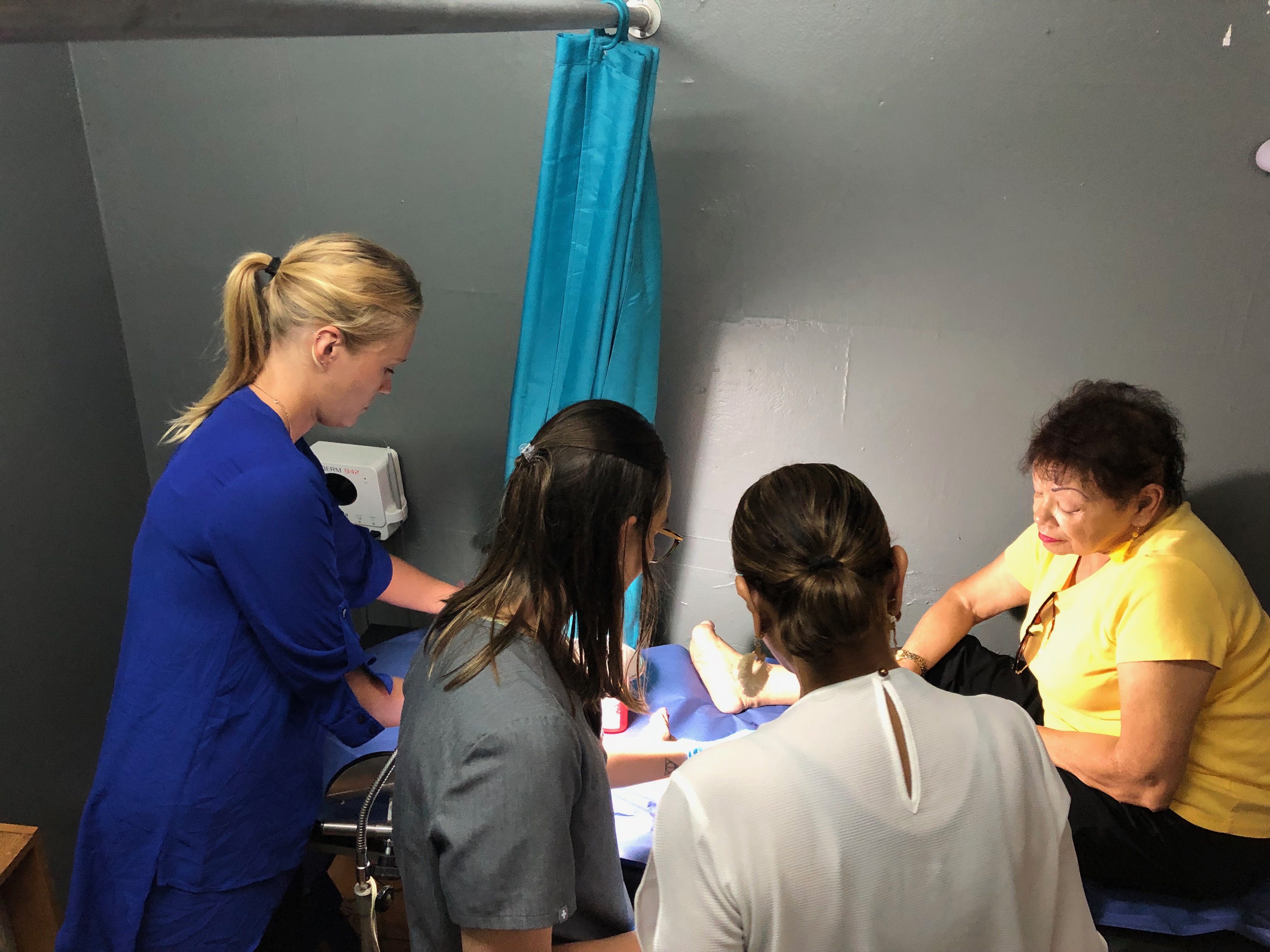
FIMRC's Global Health Volunteer Program (GHVP) places volunteers directly inside these communities, across Peru, Costa Rica, and Ecuador — working alongside local healthcare teams on community health work that intersects with the One Health framework in concrete ways:
- Health education campaigns that address food safety, hygiene around animals, and household zoonotic risk
- Community screenings that identify unexplained fevers and symptoms in populations with high animal contact
- Maternal and child health outreach in agricultural communities where young children face disproportionate zoonotic exposure
- Support for health education initiatives that connect environmental and animal health to human wellbeing
- Observation of how local health systems detect and respond to zoonotic disease clusters with limited surveillance infrastructure
This is not theoretical public health. It is the work of building the community-level knowledge and trust that makes disease prevention possible before an outbreak begins.
What Volunteers Learn That Textbooks Cannot Teach
For pre-med, nursing, and public health students, World Zoonoses Day is also an invitation to think differently about disease.
Most medical training is built around the human body. Zoonotic disease forces a wider frame — one that includes the animal, the environment, the food system, and the economic pressures that shape how people interact with all of them. A family that raises poultry indoors during the rainy season is not making a reckless choice. They are protecting livestock that represent their entire income. Understanding that context is the difference between public health education that lands and education that does not.
FIMRC volunteers who work in communities across Peru, Costa Rica, and Ecuador encounter this complexity firsthand. They see how deforestation and land use change push wildlife into agricultural zones. They observe how food handling practices are shaped by habit, infrastructure, and knowledge, and how all three can be shifted through sustained, trust-based community engagement.
Volunteer participation increases during times of social and political change, driven by a mix of altruism, commitment to public issues, and personal growth. Zoonotic disease risk is one of the defining public health challenges of this era. The students who understand it at the community level, not just in the lecture hall, will be better equipped to address it throughout their careers.
Pasteur's Legacy Is Unfinished
A vaccine saved Joseph Meister in 1885. Science has delivered many more vaccines since.
But the conditions that create zoonotic spillover events, the encroachment of human activity into animal habitats, the intensification of livestock farming, the inequitable distribution of surveillance and healthcare, have not been solved by any vaccine. They are solved, slowly and imperfectly, by communities that understand the risk, health systems that can detect and respond to it, and professionals who are trained to see human health as inseparable from the environment in which it exists.
That work happens at the community level. And it needs people willing to show up for it.
If you are training for a career in medicine, nursing, or public health and want to understand global health from the inside out, this is where that understanding begins.
FAQ SECTION
👉 What is World Zoonoses Day and why is it observed on July 6?
World Zoonoses Day is observed every July 6 to commemorate the first successful rabies vaccination administered by Louis Pasteur on that date in 1885. It raises global awareness about zoonotic diseases, infections that pass between animals and humans, and promotes the One Health approach, which recognizes that human, animal, and environmental health are deeply interconnected.
👉 What are zoonotic diseases and why do they matter for global health?
Zoonotic diseases are infections transmitted between animals and humans through direct contact, insect bites, contaminated food, or environmental exposure. They account for approximately 60% of all known infectious diseases and 75% of emerging infections. Major outbreaks including COVID-19, Ebola, avian influenza, and SARS all originated at the animal-human interface, making zoonotic disease prevention a central global health priority.
👉 How does FIMRC's volunteer program relate to zoonotic disease prevention?
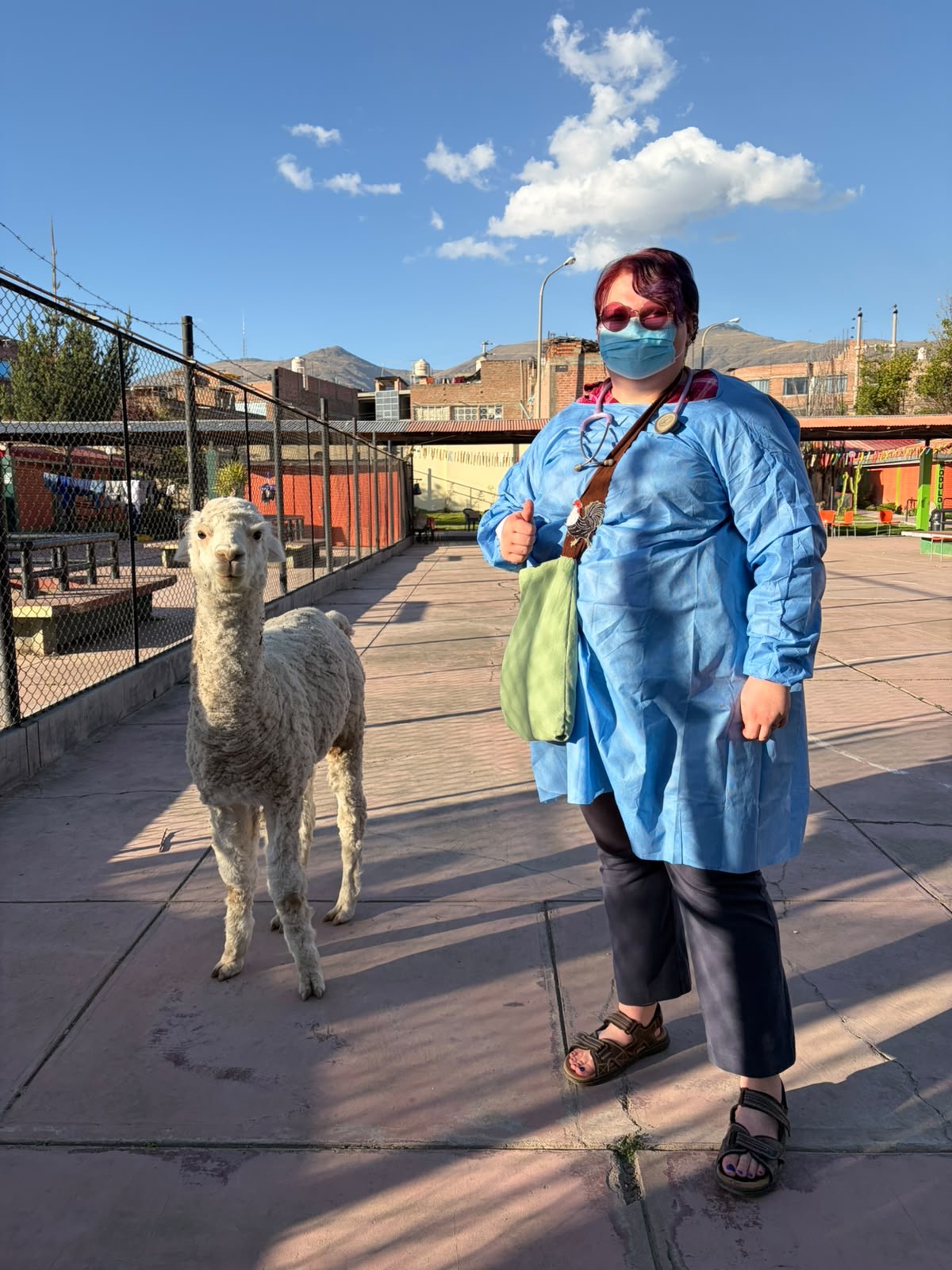
FIMRC's GHVP places volunteers in community health settings across Peru, Costa Rica, and Ecuador, agricultural and rural areas where human-animal contact is high and zoonotic risk is real. Through health education, community screenings, and outreach alongside local health teams, volunteers contribute to the community-level knowledge and trust-building that makes disease prevention effective before outbreaks begin.
👉 What is the One Health framework and how does it apply in low-resource settings?
One Health is an approach that recognizes human, animal, and environmental health as interconnected and advocates for collaboration across all three sectors to prevent disease. In low-resource communities, applying One Health means addressing food safety practices, hygiene around livestock, environmental risk factors, and healthcare access simultaneously — work that requires sustained community presence, not just policy.
👉 Why is Latin America particularly vulnerable to zoonotic disease outbreaks?
Latin America's diverse ecosystems, expanding agricultural frontier, and close human-livestock-wildlife interface create significant zoonotic risk. Since 2023, highly pathogenic avian influenza has affected 16 countries across the region. Communities in rural Peru, Costa Rica, and Ecuador often lack the disease surveillance infrastructure and health education resources needed to detect and respond to zoonotic threats early, making community-based health work especially critical.
Want your questions on volunteering abroad answered quicker? Book a quick call with our team!
Stay connected with news and updates!
Join our mailing list to receive the latest news and updates from our team.
Don't worry, your information will not be shared.
We hate SPAM. We will never sell your information, for any reason.
