
The Simplest Tool in Global Health and Why Volunteers Still Have to Fight For It
May 01, 2026Soap and water. That's it.
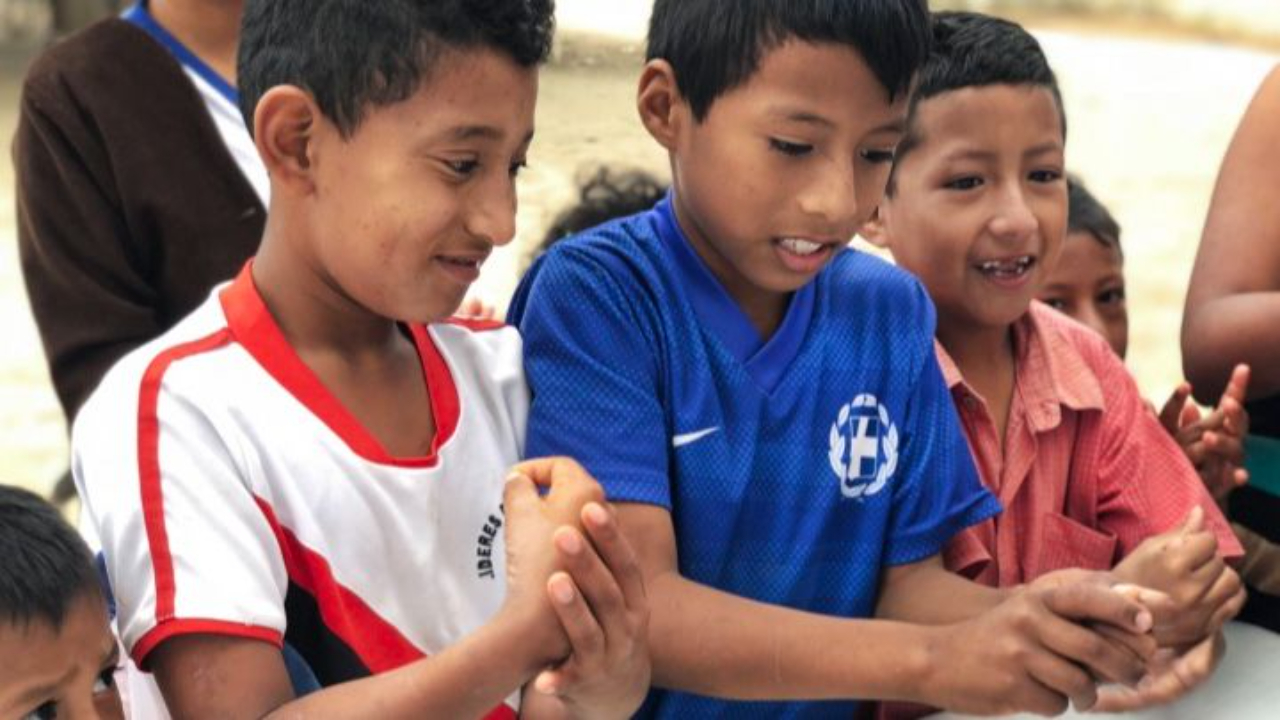
Of all the interventions in public health, handwashing consistently ranks among the most effective at preventing infectious disease — respiratory illness, diarrhea, healthcare-associated infections, even maternal sepsis. It costs almost nothing. It requires no prescription. And yet, in the communities where FIMRC global health volunteers work every day, access to clean water, soap, and basic hygiene education is still far from guaranteed.
Every May 5, the World Health Organization observes World Hand Hygiene Day. This year marks 18 years of the WHO's SAVE LIVES: Clean Your Hands campaign, and the 2026 message cuts straight to the point: Action Saves Lives.
For healthcare and science students thinking about what global health work actually looks like on the ground — this is a useful place to start.
When Basics Aren’t Basic
In high-income countries, handwashing has become so routine it's nearly invisible. You do it automatically. It's built into hospital protocol, taught in kindergarten, and assumed at every clinical rotation you'll ever attend.
That assumption doesn't hold everywhere.
In low-resource settings, the absence of consistent running water at a clinic isn't a minor inconvenience — it's a structural barrier to infection prevention. When a family has never received education on how pathogens spread, the gap between knowing and not knowing shows up in infant mortality rates, in maternal health complications, in school absenteeism. The consequences of poor hygiene infrastructure don't stay contained to one household. They move through communities.
This is the reality FIMRC medical volunteers step into.
What FIMRC Volunteers Actually Do
FIMRC's Global Health Volunteer Program (GHVP) places volunteers directly inside communities in Peru, Uganda, Costa Rica, and Ecuador — countries where hygiene education is not background programming, but active, daily public health work.
Volunteers in the field support local healthcare teams through:
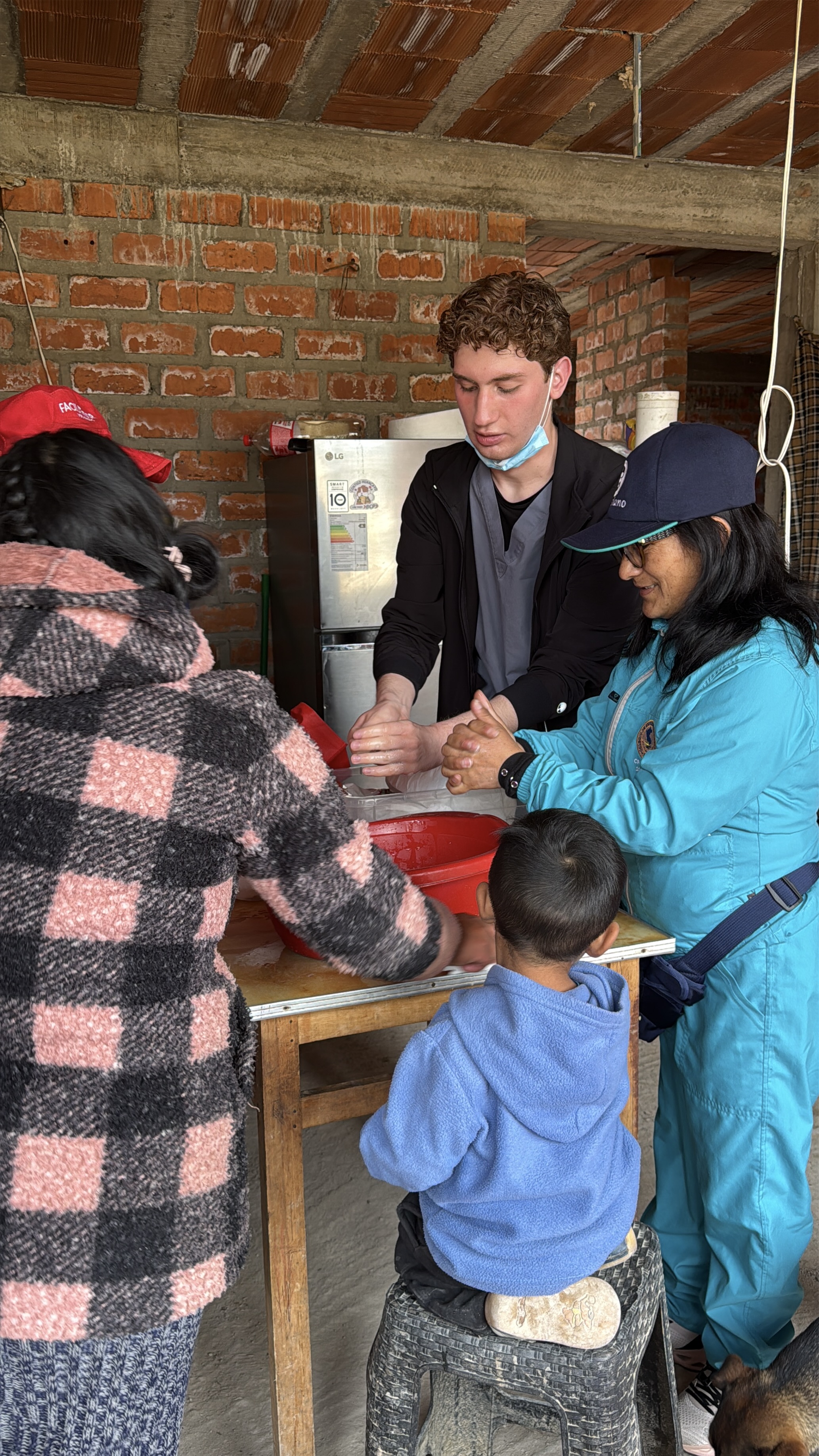
- Health education workshops on handwashing technique, hygiene behavior, and infection prevention
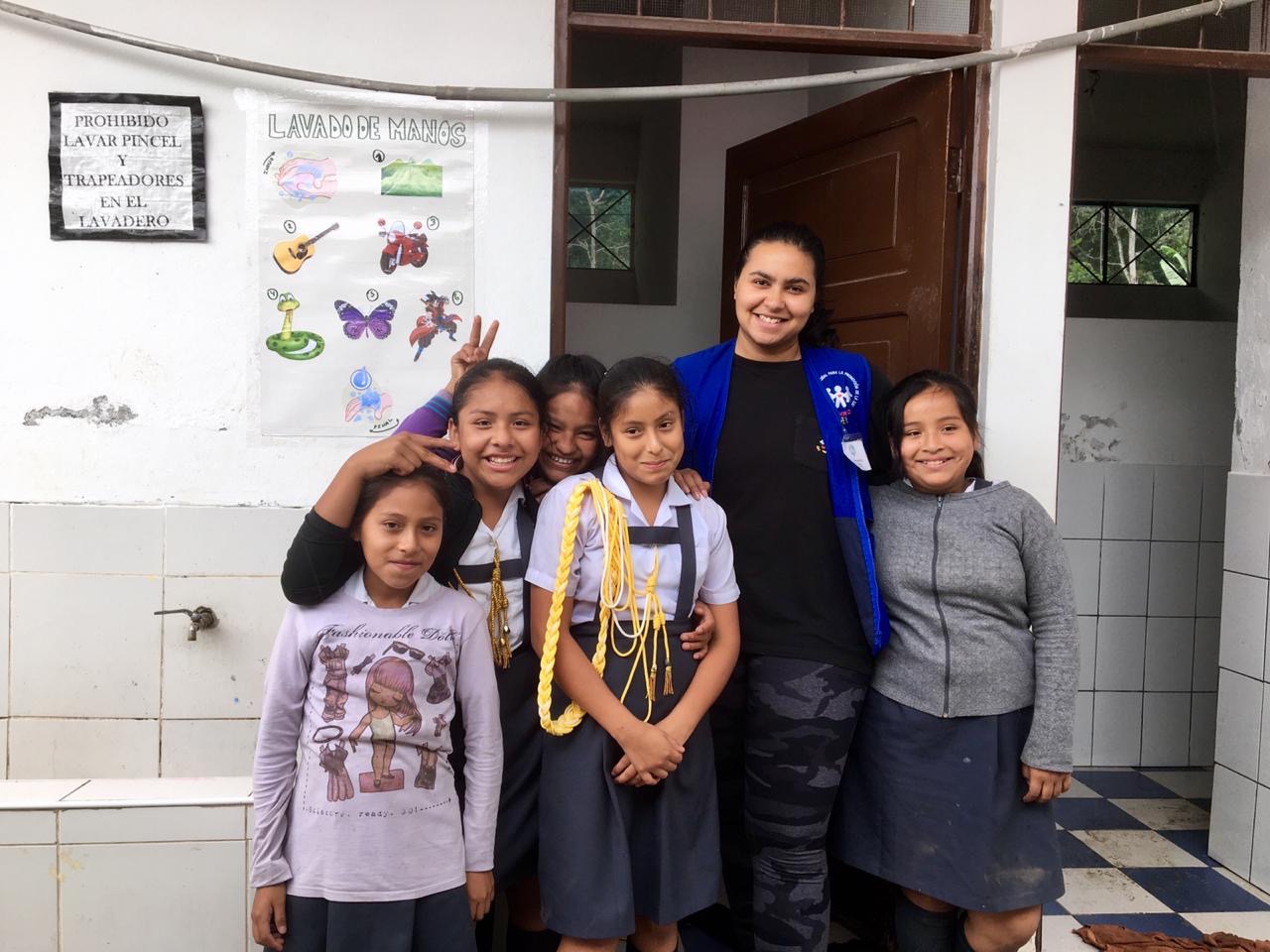
- Community outreach in schools, homes, and public gathering spaces
- WASH-focused activities (Water, Sanitation, and Hygiene) that address the structural side of hygiene access — not just behavior
- Observation of how local health facilities adapt WHO infection prevention guidelines to real-world constraints
- Behavioral change initiatives designed to make hygiene habits stick long after a campaign ends
None of this is passive. Effective hygiene education in a community that hasn't had consistent health infrastructure requires showing up repeatedly, building trust, and communicating in ways that are culturally grounded. You can hand someone a pamphlet. You can also sit with them, ask questions, and understand what actually prevents them from using soap before meals. These are not the same thing.
Why Education Is The Intervention
Knowing how to wash your hands properly is learned behavior. It's not instinctive, and it's not universal. In communities where that education has historically been absent, the disease burden from entirely preventable infections is disproportionately high.
Research consistently shows that when hand hygiene education is integrated into quality-of-care programs — supported by consistent training, institutional leadership, and reliable access to supplies — outcomes improve measurably. Maternal infections drop. Sepsis rates decline. Children grow up healthier.
FIMRC volunteers become part of that training ecosystem. They work alongside local health promoters. They engage with families. And they contribute to the kind of consistent, repeated education that makes behavioral change possible over time.
A child who learns to wash hands before eating and after using the toilet carries that habit for life. A mother who understands transmission dynamics becomes a health advocate in her own home. These aren't abstract outcomes — they're the compounding returns of community-level public health work done well.
What You Actually Learn as a Global Health Volunteer
For students entering healthcare or the health sciences, there's a version of global health that exists in textbooks and a version that exists in Huancayo, Bududa, San José, and Quito. They're related, but they're not the same.
Working in FIMRC's program sites, volunteers develop a kind of systems-level understanding that's hard to replicate in a classroom. That includes:
- Recognizing the social and environmental barriers that make even simple public health interventions complex
- Understanding how healthcare workers adapt WHO guidelines to facilities that lack basic infrastructure
- Seeing firsthand how community trust determines whether a public health campaign reaches people or misses them entirely
- Connecting WASH infrastructure to health outcomes in ways that go beyond a single disease or intervention
- Sitting with the gap between global health standards and what communities can realistically access — and thinking critically about what that gap demands of future health leaders
This is the clinical and contextual training that shapes how you think about healthcare long-term. Not just how to treat a patient, but how systems fail them before they ever reach a clinic.
This Is What Action Looks Like
The WHO's 2026 message — Action Saves Lives — isn't directed only at hospitals. It's directed at anyone with the capacity to move the needle on preventable disease. That includes students. It includes volunteers. It includes people who are still figuring out what kind of healthcare professional they want to be.
FIMRC's Global Health Volunteer Program offers the structure, the mentorship, and the real-world context to grow as a future health leader while contributing meaningfully to communities that need it most.
If you're a healthcare or science student looking for hands-on global health experience that goes beyond observation hours — this is the kind of work worth showing up for.
FAQ Section
👉 What does a global health volunteer do in community health settings?
Global health volunteers support local healthcare teams through health education workshops, community outreach, and hygiene promotion campaigns. In FIMRC's program, volunteers work directly in underserved communities across Peru, Uganda, Costa Rica, and Ecuador, helping to deliver infection prevention education and support WASH initiatives.
👉 Why is hand hygiene education important in global health volunteer work?
In low-resource settings, access to clean water and hygiene education is not guaranteed. Poor hand hygiene is directly linked to preventable infections, child mortality, and maternal health complications. Medical volunteers who deliver consistent hygiene education contribute to long-term behavioral change that reduces these outcomes.
👉 Is FIMRC's volunteer program suitable for pre-med or health sciences students?
Yes. FIMRC's Global Health Volunteer Program is specifically designed for students interested in healthcare, public health, and the health sciences. It offers direct community experience, mentorship from local health professionals, and exposure to global health systems in real-world settings.
👉 What countries does FIMRC place global health volunteers in?
FIMRC currently places volunteers in Peru, Uganda, Costa Rica, and Ecuador — communities where healthcare access is limited and volunteer support has measurable impact on public health outcomes.
👉 What is World Hand Hygiene Day and why does it matter for healthcare students?
World Hand Hygiene Day, observed every May 5, is a WHO-led global campaign to promote hand hygiene as a critical tool in preventing infectious disease. For healthcare students, it's a reminder that some of the most impactful interventions in global health are also the most fundamental — and that delivering them at the community level requires education, trust, and sustained effort.
Want your questions on volunteering abroad answered quicker? Book a quick call with our team!
Stay connected with news and updates!
Join our mailing list to receive the latest news and updates from our team.
Don't worry, your information will not be shared.
We hate SPAM. We will never sell your information, for any reason.
