
A Meaningful Return: How One Group Keeps Showing Up for Costa Rica
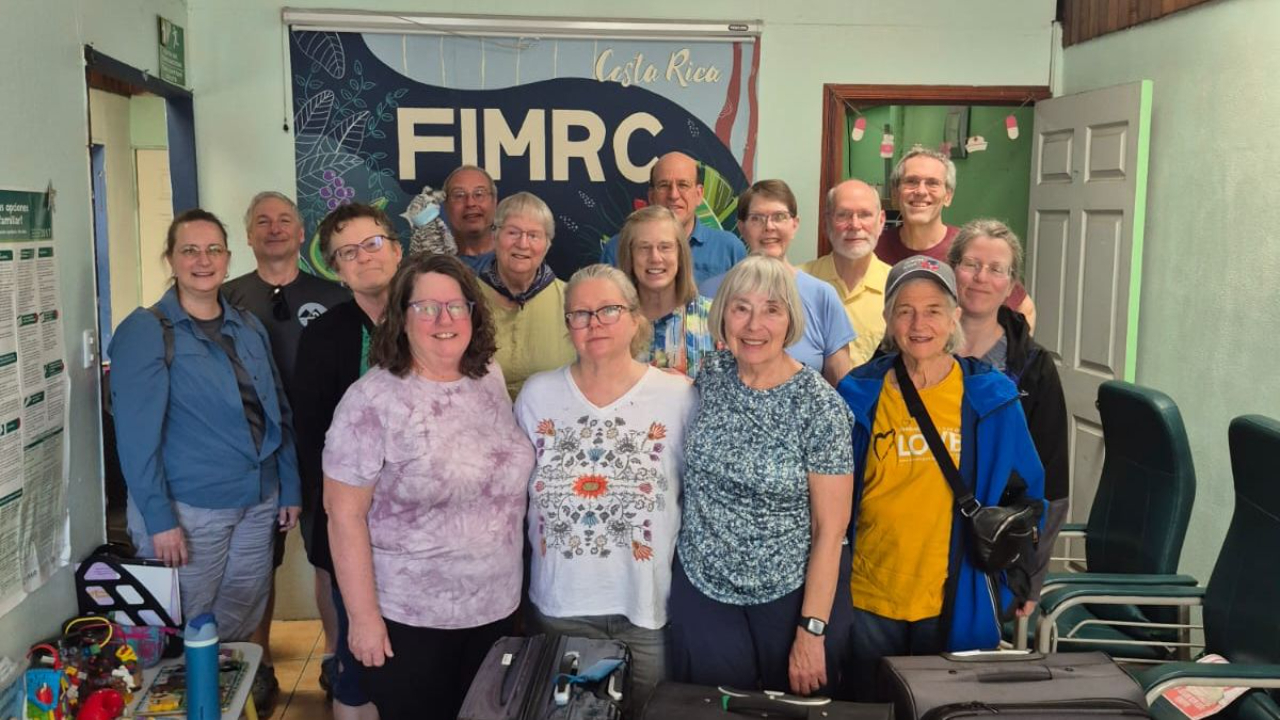
Jun 05, 2026The first time Michael Leuchtenberger brought a group to FIMRC Costa Rica, it was 2024. A day of service. A group of young members from a religious organization in Concord, New Hampshire, showing up to help, learning what it means to work alongside a community that is not your own.
That kind of day stays with people.
The Same Commitment. A Different Kind of Contribution.
This time, the group was different. Not students finding their footing, but experienced adult professionals: physicians, therapists, educators, who arrived not just with their time, but with their expertise.
The difference was felt immediately.
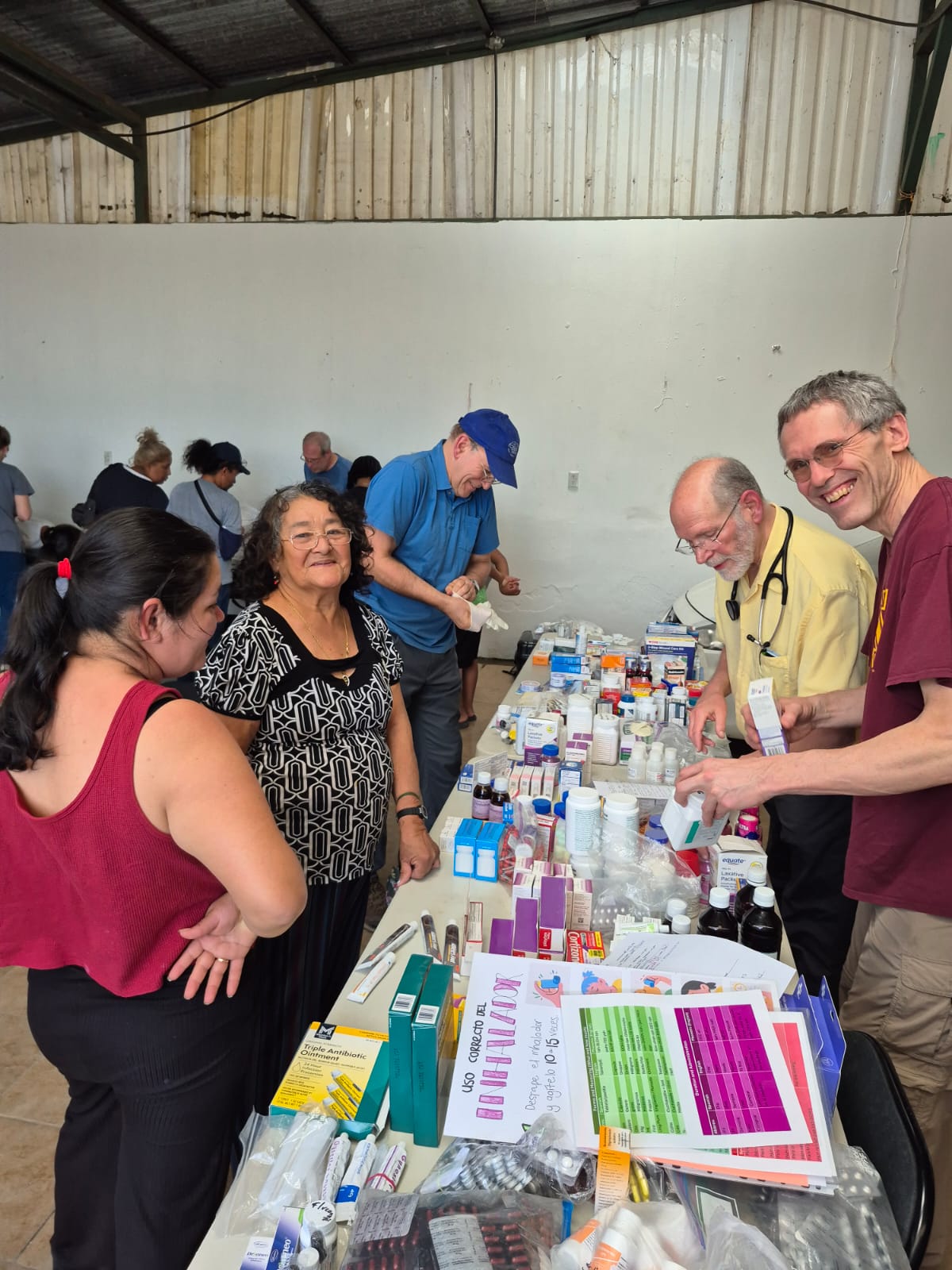
During their visit, the group contributed across several areas of community health:
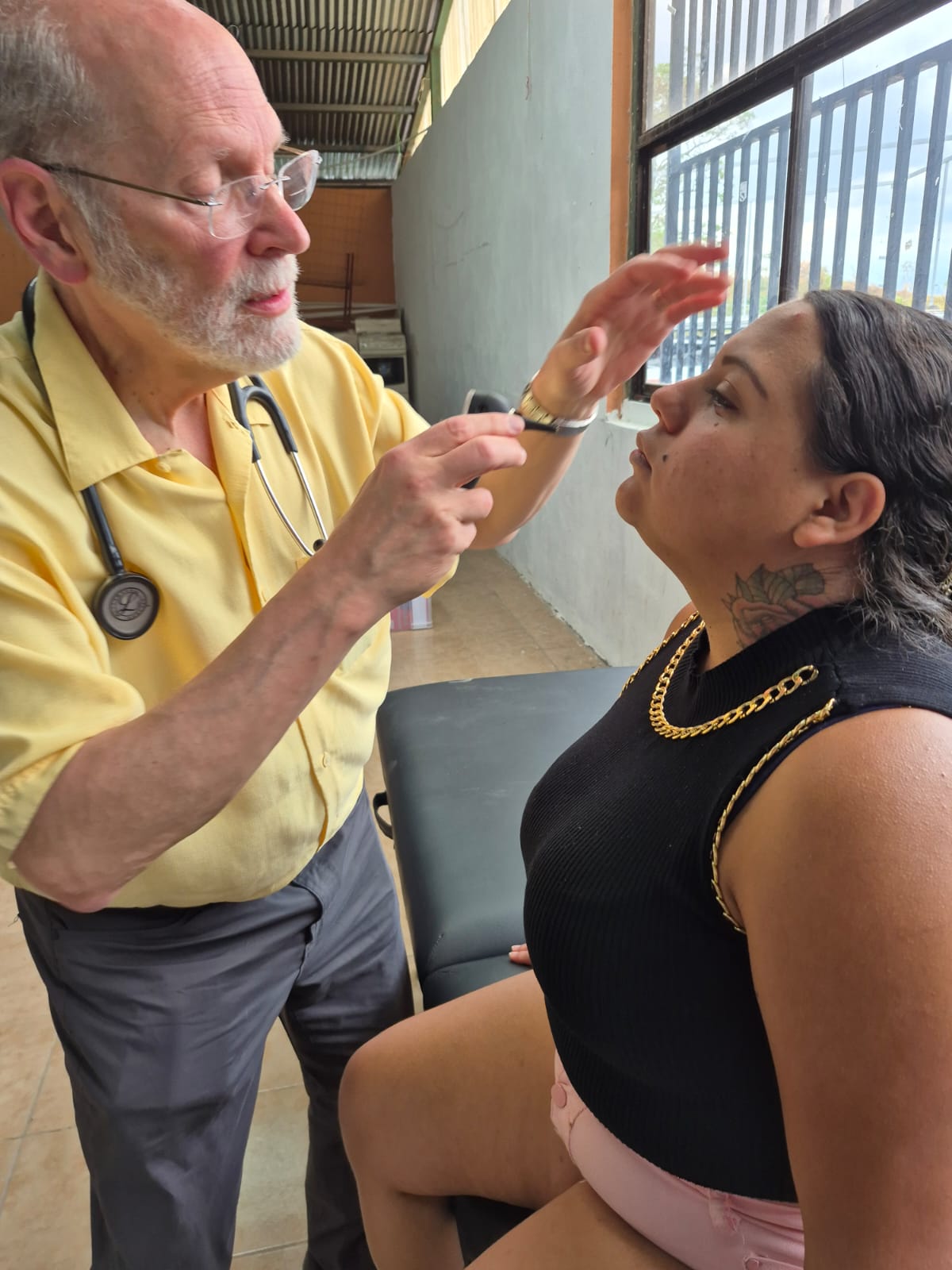
- Medical care: providing direct clinical support alongside FIMRC's local health team
- Presbyopia screenings: identifying vision problems in community members who had never had an eye exam
- Reading glasses distribution: giving people the ability to read, work, and engage with daily life more fully
- Physical therapy services: offering hands-on rehabilitation care rarely accessible in the communities FIMRC serves
- Health education: supporting initiatives designed to build lasting knowledge within the community
Each of these contributions addressed a real, specific gap. Presbyopia, the gradual loss of near vision that comes with age, is one of the most common and undertreated conditions in low-resource communities. A pair of reading glasses costs almost nothing and changes everything: the ability to read a prescription label, to help a child with homework, to work with precision. For many of the people screened that day, it was their first time seeing clearly in years.
The Moments That Matter Most
Clinical work is never the whole story.
Between screenings and consultations, the volunteers found time to sit with the children of the community. To play. To laugh. To be present in a way that had nothing to do with medicine and everything to do with connection.
These are the moments that do not appear in any health outcome report. But anyone who has worked in community health knows they matter. Trust is not built through a single service day. It is built through consistency, warmth, and the willingness to show up as a human being first.
Mr. Michael and his group understood that. It is part of why they came back.
What a Return Visit Means for a Community
A one-time volunteer visit can be valuable. A returning group is something else entirely.
When a community sees the same faces, people who came before, who remembered them, who chose to return, it signals something that no program brochure can communicate. It says: you are worth coming back for.
For the FIMRC Costa Rica team, hosting this group was a reminder of what sustained community partnership looks like in practice. Not a transaction. Not a box checked. A relationship built across two visits, two years, and a genuine commitment to the people being served.
Be Part of Something That Lasts
FIMRC's Global Health Volunteer Program welcomes individuals and groups, students, professionals, and everyone in between, who are ready to contribute their time, skills, and presence to communities that benefit most from both.
Whether you are visiting for the first time or thinking about coming back, the door is open.
Learn more about volunteering with FIMRC in Costa Rica here
FAQ SECTION
👉 Can experienced professionals volunteer with FIMRC, or is it only for students?
FIMRC welcomes volunteers at all stages of their careers. Experienced professionals — including physicians, nurses, physical therapists, and public health practitioners — contribute significantly to community health initiatives and offer skills that complement those of student volunteers.
👉 Can a group volunteer together at FIMRC Costa Rica?
Yes. FIMRC accommodates group visits and has experience hosting organizations, religious groups, university cohorts, and professional teams. Group volunteers often have a meaningful collective impact, especially when members bring diverse skills and backgrounds.
👉 What kinds of health services do volunteers provide in Costa Rica?
Depending on their background, volunteers support medical consultations, health screenings, vision assessments, physical therapy, and health education workshops, always working alongside FIMRC's local healthcare team.
👉 What is presbyopia and why does screening for it matter in low-resource communities? Presbyopia is the age-related gradual loss of near vision, affecting most people over 40. In low-resource settings, it often goes undiagnosed and untreated, limiting people's ability to read, work, and manage daily tasks. Simple reading glasses can restore near vision immediately and at minimal cost, making screening and distribution a highly impactful community health intervention.
👉 How does FIMRC ensure volunteer contributions are meaningful and not harmful to communities?
FIMRC structures all volunteer activities around genuine community needs, with local healthcare professionals guiding priorities and supervising clinical work. Volunteers support and extend the capacity of existing teams rather than replacing local expertise.
Want your questions on volunteering abroad answered quicker? Book a quick call with our team!
Stay connected with news and updates!
Join our mailing list to receive the latest news and updates from our team.
Don't worry, your information will not be shared.
We hate SPAM. We will never sell your information, for any reason.
